Move Coral Gables elections to November, so more residents’ voices will be heard | Opinion
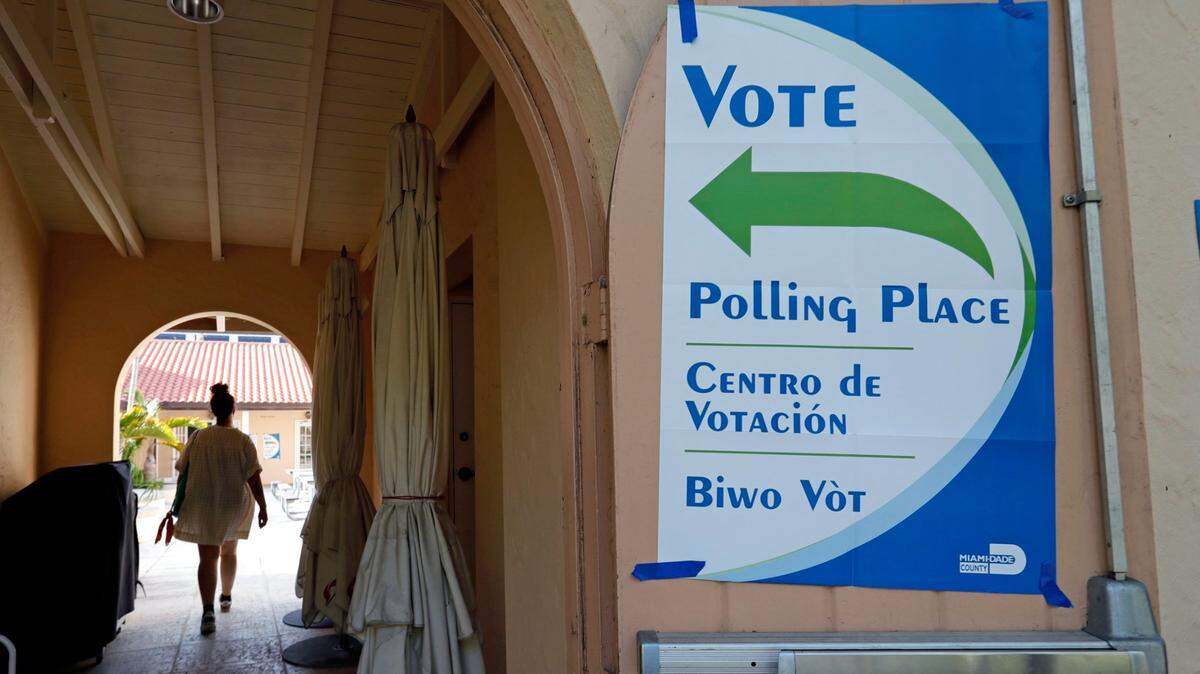
Voting is the cornerstone of American democracy. Yet when it comes to local elections, voter turnout is often shockingly low. In the last Coral Gables municipal election, only 20.92% of the electorate cast a ballot.
One easy reform, however, can significantly increase voter participation. This fall, the Coral Gables Commission will decide whether to move the timing of its municipal elections from April to November to coincide with national and statewide elections.
I wholeheartedly endorse this effort.
Currently, the Gables holds municipal elections every two years on the second Tuesday of April in odd-numbered years. An ordinance, proposed by Vice Mayor Rhonda Anderson, shifts these elections to the second Tuesday of November, a change that limits repeated trips to the polls.
There are several compelling reasons for this reform.
First and foremost, national research consistently shows that consolidating local elections with November presidential, congressional and gubernatorial races more than doubles turnout. For Coral Gables, this would be even more so. In the November 2022 election, 22,262 eligible Gables voters cast ballots, compared to 6,905 who voted in April 2023, our most recent municipal election.
And if looking at a presidential year, the number of voters would more than quadruple since, for example, we had 29,204 voters turn out in November 2020. The differences are staggering.
Low voter turnout is a serious roadblock to true democracy. A spring election not only means fewer voters, but the composition of those voting can be quite different from the more visible November elections. Studies by the MIT Election Data + Science Lab — a Massachusetts Institute of Technology project that analyzes voting patterns — show that not aligning local elections with national and statewide races benefits large, well-organized interest groups. Increased voter participation ensures a more diverse and representative electorate voicing a broader range of views on local issues, ones that have a direct impact on the quality of life in our city.
A simple date change strengthens local democracy, and it also would save local taxpayers at least $100,000 each election cycle by eliminating the need for additional staffing and resources that year. Piggybacking on November contests makes local voting almost without cost to the city, since those casting ballots for higher-level offices need only to check off a few more boxes further down the ballot.
There are other good, clear-cut reasons for this change — not the least of which is voter fatigue. As a candidate who campaigned door-to-door for city office in the spring, I often heard, “What, another election?” Several elections within a few months are tiring. Voters need to learn the date of their local contest, find their polling place, find time to go there or arrange for a mail-in ballot. As evidenced by the numbers, too many citizens just aren’t bothering. During April, a time when many families are vacationing and enjoying spring break, their mindset is just not on politics.
Changing the timing of municipal elections would necessitate trimming those currently in elected office in Coral Gables, including shortening my own term by five months. But it is the right thing to do.
Reform is already occurring in dozens of cities across the nation and locally. South Miami and Pinecrest have made the shift, for instance. It’s time for Coral Gables to act. We have a well-educated, highly aware electorate. We must do better than a 20% voter turnout when selecting our elected leaders.
Vince Lago is mayor of Coral Gables.