Biden’s immigration program reunited our family. A lawsuit may keep others apart | Opinion
In 2015, a police officer approached my brother, Reginald, in a park near our grandmother’s house in Port-au-Prince, Haiti. He shot Reginald point-blank in the head. Despite this horrific attack, years of unrelenting violence and rampant corruption in Haiti taught our family to stay silent about the shooting, for fear of retaliation.
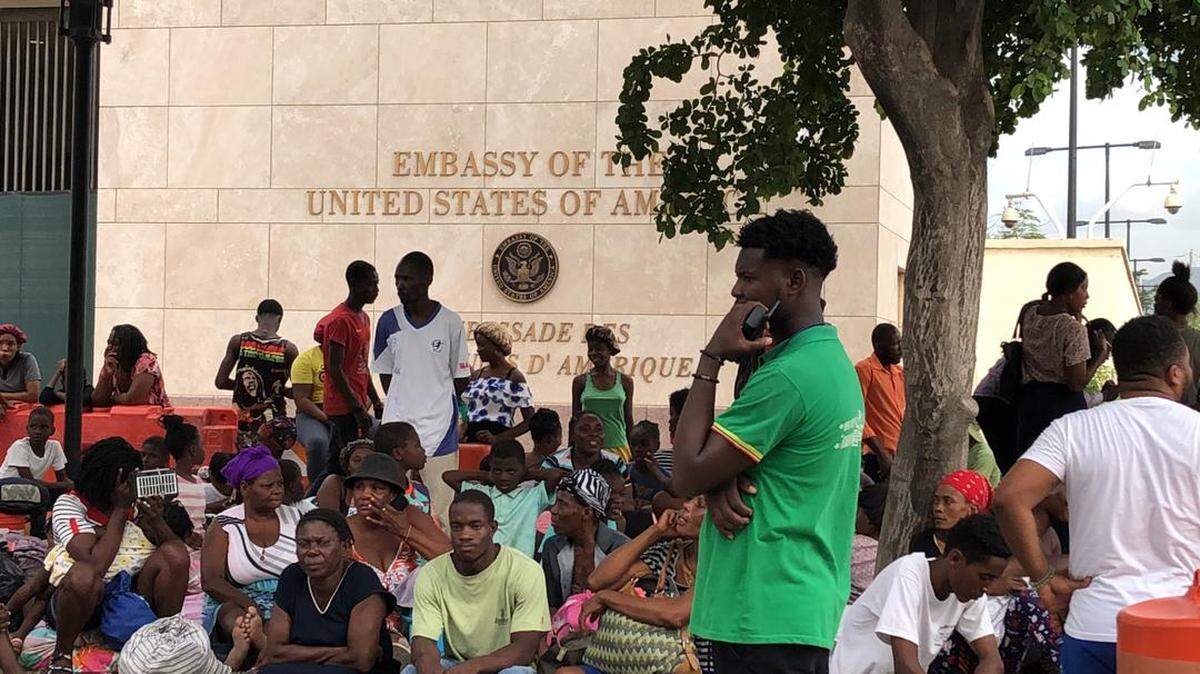
While Reginald has made a remarkable recovery, Haiti’s governmental instability and violence has only worsened. Powerful gangs rule about 60% of Port-au-Prince. Finding steady work and safely raising a family have become nearly impossible. My 14-year-old nephew, Reginald’s son, was nearly kidnapped at his school.
For so many American immigrants who have watched their beloved ancestral homelands near collapse, there is but one solution: Bring our loved ones to safety. For our family, that meant reuniting in South Florida, where I have lived for 18 years, raised my four children, become active in my local church and worked as a middle school teacher. However, because of a backlogged immigration system, our family had been told that it would take at least six years after getting approved for a green card for a visa to become available for Reginald. Our prospects changed this month, when a new immigration program, announced by the Biden administration in January, finally brought our family together.
The program allows Americans to sponsor Cubans, Haitians, Nicaraguans and Venezuelans (CHNV) seeking safety and freedom in the United States for up to two years. These programs were modeled upon the successful Uniting for Ukraine program, which has provided what our immigration system calls “humanitarian parole” to more than 100,000 Ukrainians displaced by the Russian invasion. I jumped at the opportunity for our family to be together, and applied to sponsor Reginald and my nephew within days of hearing the news.
I was not alone. Since January, more than 1.5 million Americans have applied to be sponsors for a program that can only approve up to 30,000 applicants per month. Sponsors are from all walks of life — family members, people of faith or simply generous neighbors who agree to bear responsibility for a loved one or a stranger in need — can welcome them into their home. So many Americans like myself are ready to step up as a cheerleader, guide, and financial supporter. We aren’t asking for anyone else’s help, only for the government to let us be a lifeline.
I am overjoyed to welcome Reginald and my nephew into my home in South Florida. However, thousands of other sponsors’ dreams to welcome family, friends or strangers in need are under threat. Just weeks after the Biden administration’s announcement, attorneys general in Texas and 20 other states sued the administration in an effort to block the CHNV parole programs. (They have not challenged Uniting for Ukraine, the program upon which these were modeled.)
That’s why I, alongside six other Americans who are sponsoring or have applied to sponsor, have intervened to become defendants in Texas v. DHS: to bring our stories and perspectives demonstrating the value of these transformative, lifesaving programs into the courtroom. We represent the wide range of reasons someone would volunteer to serve as a sponsor — being called by our faith, the desire to protect a loved one or the knowledge that the CHNV parole program will mutually benefit immigrants and local economies.
I, and the other intervenors, represent millions of U.S. residents who stand ready to welcome others into our communities. We aren’t going to let these states end such critical programs without a fight. For me, that’s a fight on behalf of families who are waiting to become whole again, just as mine was. We all deserve the chance to open our homes, and our hearts, to those who need it most.
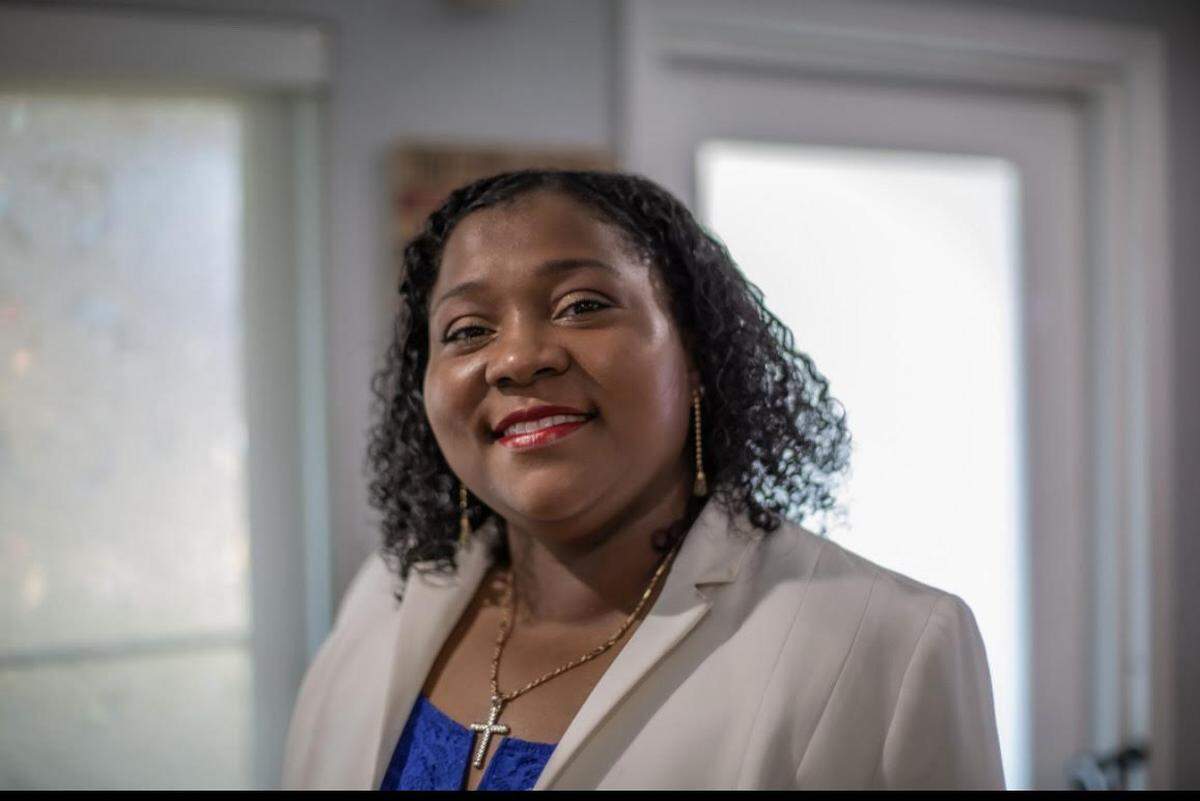
Valerie Laveus is a Florida schoolteacher who sponsored her brother and nephew fleeing violence in Haiti and brought them to safety in the United States.