Villavicencio assassination demands international attention for Ecuador — and the region | Opinion
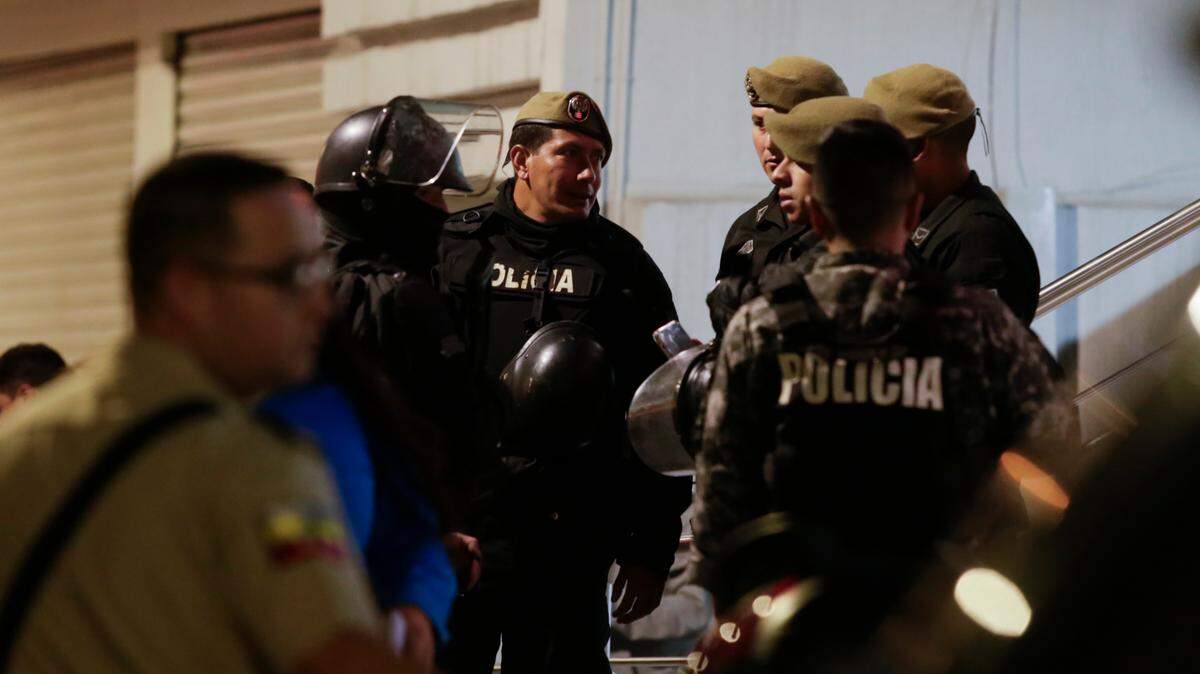
Ecuadorian presidential candidate Fernando Villavicencio was campaigning in a school in the north of Quito when three gunshots were fired at his head. With a mere 10 days remaining before Ecuador’s election, polls had positioned Villavicencio at fourth place. Ecuadorian Minister of Interior Juan Zapata has labeled this grim act a murder for hire.
Villavicencio’s assassination marks a critical juncture in the mounting violence and organized crime in Ecuador. This act, paired with the assassination of Manta’s mayor, Agustín Intriago, on July 23 paints a grim picture for the country’s future. The disturbing rise of transnational criminal organizations and drug cartels threatens the stability of the region and calls for international action.
For months, Ecuador has been a hotbed of crime and violence, with car bombings, extortions, kidnappings and assassinations becoming disturbingly routine occurrences. From 2018 to 2022, the homicide rate in Ecuador more than quadrupled, terrorizing citizens and threatening democratic institutions. The country is grappling with a crisis of unprecedented proportions, as organized crime groups tighten their grip on power, controlling territory, funds and vital infrastructure.
Ecuador’s relationship with the United States has grown stronger over the past few years, with both nations collaborating to advance common interests. Regionally, Ecuador has taken important steps to safeguard prosperity and democratic values across the region. Accompanied by its historic efforts to advance a sustainability agenda and fiscal discipline, the country has developed excellent relationships with regional partners, nongovernmental organizations and multilateral groups. The United States has been receptive to these efforts by signing the US-Ecuador Partnership Act of 2022, yet the level of assistance Ecuador has received for its security agenda remains limited, despite raising the alarm about the escalating situation as early as 2021.
The United States, along with the broader international community, including the OAS and UN, must now demonstrate its commitment to aiding Ecuador’s fight against transnational criminal organizations. The memorandum of understanding on security and defense, signed in by Ecuador’s ministry of defense and the U.S. departments of State and Defense in July represents a step in the right direction. Ecuador still needs support with intelligence, technology to dismantle criminal organizations and additional funds and resources to fortify its army. Still, it is worth asking: Why does international assistance often come too late when the situation in Ecuador is so dire?
The United States and the international community must break this cycle of reactive intervention. Waiting until the worst to unfold before delivering support risks irreparable damage to democratic stability in the region. The assassination of a presidential candidate exposes the lengths to which transnational criminal organizations will go to dismantle democratic processes. Ecuador’s presidential election is being compromised by these organizations, which manipulate and intimidate to suit their interests.
Ecuador cannot and should not fight this brutality alone; this is a regional problem that demands a coordinated approach from other countries in Latin America and the United States, who all have stakes in the game. Peru faces an alarming surge in crime rates, while Bolivia’s involvement in the coca supply chain exacerbates the problem. Chile has seen a staggering rise in homicides, thanks in part to the infiltration of drug cartels. The far-reaching consequences of these criminal enterprises transcend borders, threatening the stability of neighboring nations.
There is an additional danger of insufficient action. El Salvador’s President Nayib Bukele has gained notoriety for his measures to curb violence that include widespread imprisonment and the suspension of basic rights. His government has even cleared the way for mass trials.
In this context, the assassination is a turning point for politicians in the region who may increasingly use heavy-handed efforts that threaten democracy and human rights.
Latin America, the Biden administration and the international community cannot remain bystanders as democracies crumble under the weight of organized crime. Villavicencio’s tragic assassination demands immediate and coordinated international intervention to curb the power of transnational criminal organizations and restore peace, security and democracy to the region.
The future of Ecuador’s democracy, and more broadly in Latin America, is hanging by a thread.
Isabel Chiriboga is a program assistant at the Atlantic Council’s Adrienne Arsht Latin America Center.