
Don’t let self-interested Republicans, Democrats hijack a third-party candidacy | Opinion
Democrats and Republicans agree that monopolies in the corporate world are a bad idea. They may differ on which companies qualify as monopolies, but they both align on the idea that more competition is good for private markets.
So why don’t they apply that same thinking to their own domain — politics?
The two-party system in the United States is one of the purest examples of a monopoly. It controls almost every elected office in the country. It intentionally erects barriers to block new competitors from entering the marketplace — which it is doing with its newest challenger: No Labels, a bipartisan group.
No Labels seeks to create an “insurance policy” for the upcoming presidential election, whereby an independent third candidate can quickly jump into the race if most Americans end up unsatisfied with their two options, especially as we hurtle toward a likely Trump-Biden rematch.
The two-party system is responding in true monopolistic fashion.
In June, top Democrats gathered with anti-Trump Republicans for an off-the-record meeting to determine how to undermine No Labels. Since then, they have launched a super PAC to sow confusion and fear about the effort. Tellingly, they are running ads targeting not voters (who they would prefer never hear about No Labels), but rather other elites in Washington, D.C. By turning the power of elites against No Labels, they hope to kill the baby in the crib before they ever have to face it in an election.
To scare elites, they are arguing that No Labels inevitably will help elect Donald Trump. But their argument doesn’t bear up to scrutiny. They use the examples of Ralph Nader in 2000 and Jill Stein in 2016, alleging they helped the Republican candidate win. They conveniently leave out the example of Ross Perot in 1992, who helped the Democrat, Bill Clinton, get elected.
In classic monopolistic form, the two parties have pressured elected officials, including secretaries of state in all 50 states, to investigate No Labels for potential violations that would disqualify it from being on the ballot. Of course, calls to investigate a political rival are really calls to bully and harass it.
Then there are the coercive lawsuits. In Arizona, the state Democratic Party filed a lawsuit to try to stop No Labels from gaining ballot access, offering little more than “we don’t want the competition” as justification. In Maine, Democratic Secretary of State Shenna Bellows sent a cease-and-desist letter to No Labels and, worse, sent scary-looking “official letters” to every one of its supporters in a thuggish attempt to intimidate them.
All of these moves come straight out of the monopolistic playbook, the same one used by Standard Oil, famous for using predatory pricing, corporate espionage and exclusivity agreements to maintain dominance. When it was finally busted up into 34 separate companies, consumers and the economy benefited from lower prices, more innovation and better quality.
We need that in our politics today. A large majority of the country is dissatisfied with the status quo. As the pendulum of power swings wildly from left to right, neither party is incentivized to solve the problems that keep getting them elected. The less the two sides work together, the better it is for both. This polarity works brilliantly for the elites, but catastrophically for the rest of us.
No Labels is learning that when you go after a monopoly, you learn the true nature and extent of its power in the process. Right now, the organization is besieged on all sides. It will take every voter who stands to benefit from this new coalition — which is every voter who believes in common sense and problem solving — to close ranks and push back.
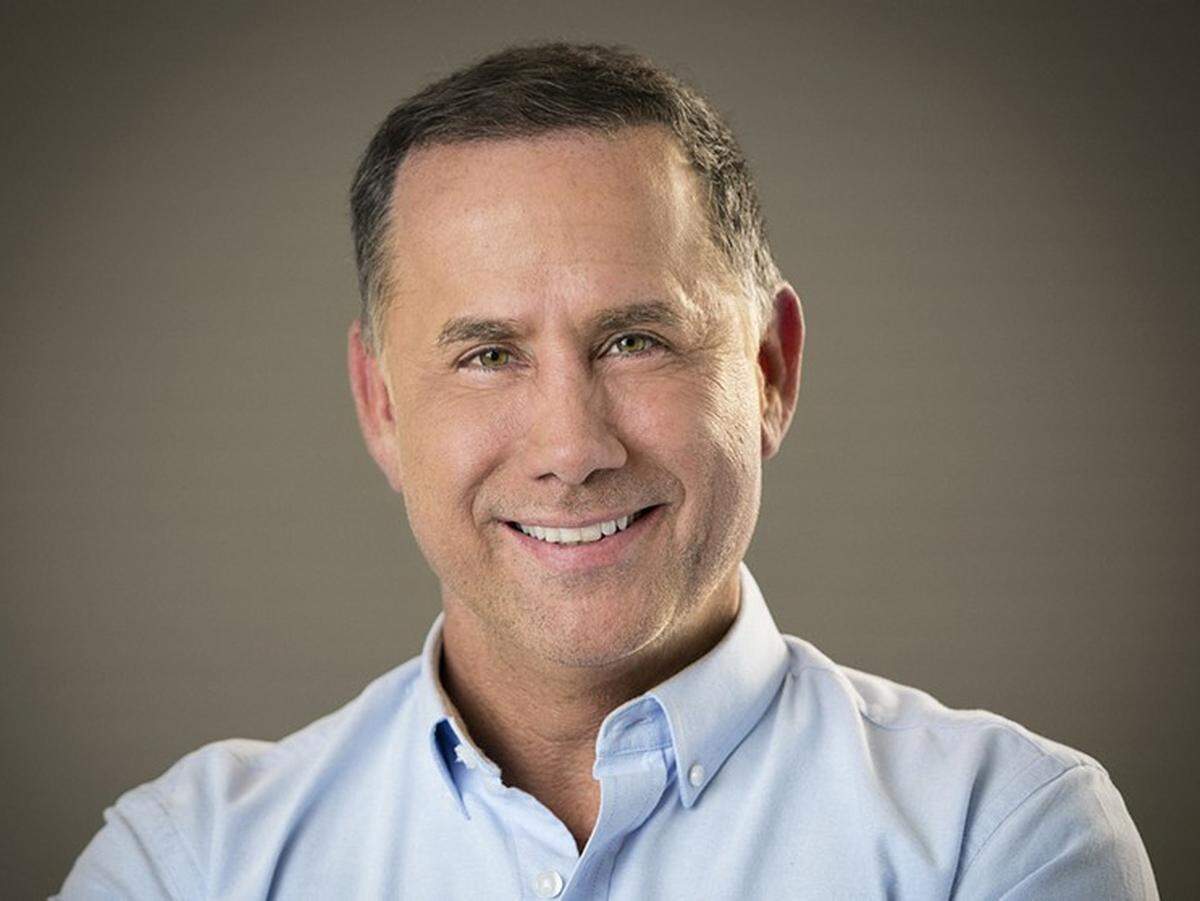
Philip Levine, a cruise industry entrepreneur, is a former two-term mayor of Miami Beach and onetime Democratic candidate for governor of Florida.
This story was originally published August 9, 2023 at 10:40 PM.