By bridging the skills gap, we can shape the future of America’s tech workforce | Opinion
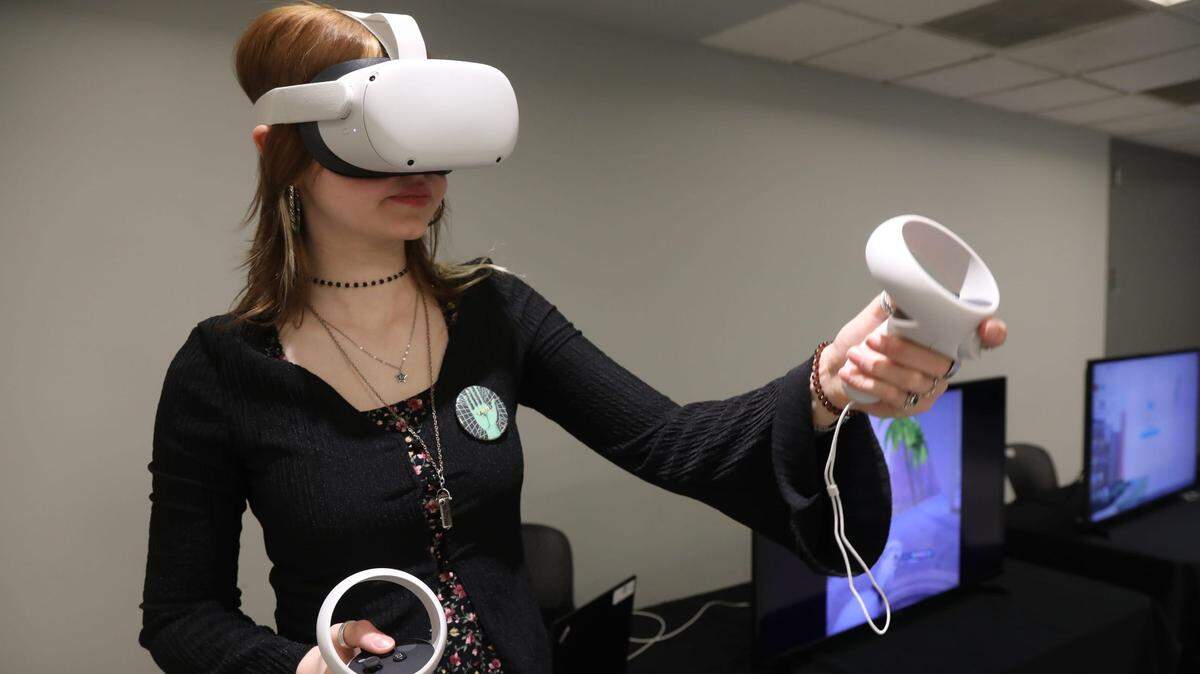
The job market is rapidly changing in an era of technological advancement. New opportunities are emerging for those with the right skills. It’s imperative to build a skilled workforce for the U.S.’ future.
As society moves to digital, individuals must develop relevant tech skills to seize emerging opportunities. Despite recent layoffs, the U.S. tech industry will create more than 200,000 jobs in 2023 and is expected to grow 11% annually until 2030, faster than other sectors.
As the founder of global tech school, Ironhack, and resident of Miami during the Miami Tech Movement, I’ve seen tech skills like coding, data analytics and AI transform careers, enabling rewarding paths and more prosperous lives.
However, one of the most pressing challenges in our economy is the ever-widening skills gap; innovation has outstripped the availability of skilled professionals. The World Economic Forum estimates that the U.S. skills gap could cost $1.5 trillion by 2028. A Burning Glass Technologies survey found 75% of employers struggle to find qualified tech candidates.
Building the right tech workforce is a strategic imperative, impacting not only domestic job creation, but also global competitiveness and national security. For instance, China outpaces the United States in investment in strategic areas such as artificial intelligence, semiconductors and cybersecurity.
Making progress in closing the tech-skills gap requires urgent action and collaboration from all sectors of our economy.
The government should support innovative educational models like tech boot camps, which, despite their significant contribution to closing the skills gap, face accessibility challenges because of limited federal resources. For instance, unlike traditional higher-education institutions, they’re typically ineligible for federal financial-aid programs like Pell Grants or direct loans. This restricts their accessibility to many potential students who might greatly benefit from their programs.
Employers need to develop new ways of approaching talent and recruiting. Hiring experienced developers is a zero-sum game. This dynamic is familiar in tech and results in high turnover and inflationary labor costs for most companies. On the other hand, I’ve been a long-time proponent of “blue ocean” talent strategies, finding underutilized and young talent that just needs training and the right nurturing environment to reach its potential.
A prime example of a ‘blue ocean’ talent strategy is the Hire-Train-Deploy (HTD) model. In this approach, companies hire promising, often entry-level, talent and provide targeted tech training. After training, these newly skilled employees are then deployed on relevant projects. Companies like Citigroup, FedEx and GE have used the HTD model to build their talent pool.
Individuals, too, play a critical role. Embracing an “always learning” mindset, workers must navigate their careers agilely, recognizing that traditional paths to retirement have evolved. The key is to view learning as a continuous, lifelong journey rather than a one-time task to be completed.
It’s important to note that I’m not arguing that tech is the solution to our problems. It may be paradoxical to some, but in a digital era, what we call “soft” skills have become — and will continue to be — essential for workers and general members of society. We must keep nurturing creativity, collaboration, communication and empathy; it is the only way to ensure humanity progresses, by using tech for good.
The digital future is here. As the pace of innovation accelerates, it’s urgent we address the skills gap and foster a workforce that propels the United States into a future of prosperity and security. We all have a role in ensuring the tech industry moves society forward — a society that is more inclusive, innovative and, ultimately, a force for good.
Ariel Quiñones is co-founder and co-CEO of Ironhack.