Career-training colleges need the federal government’s help, not its damaging policies | Opinion
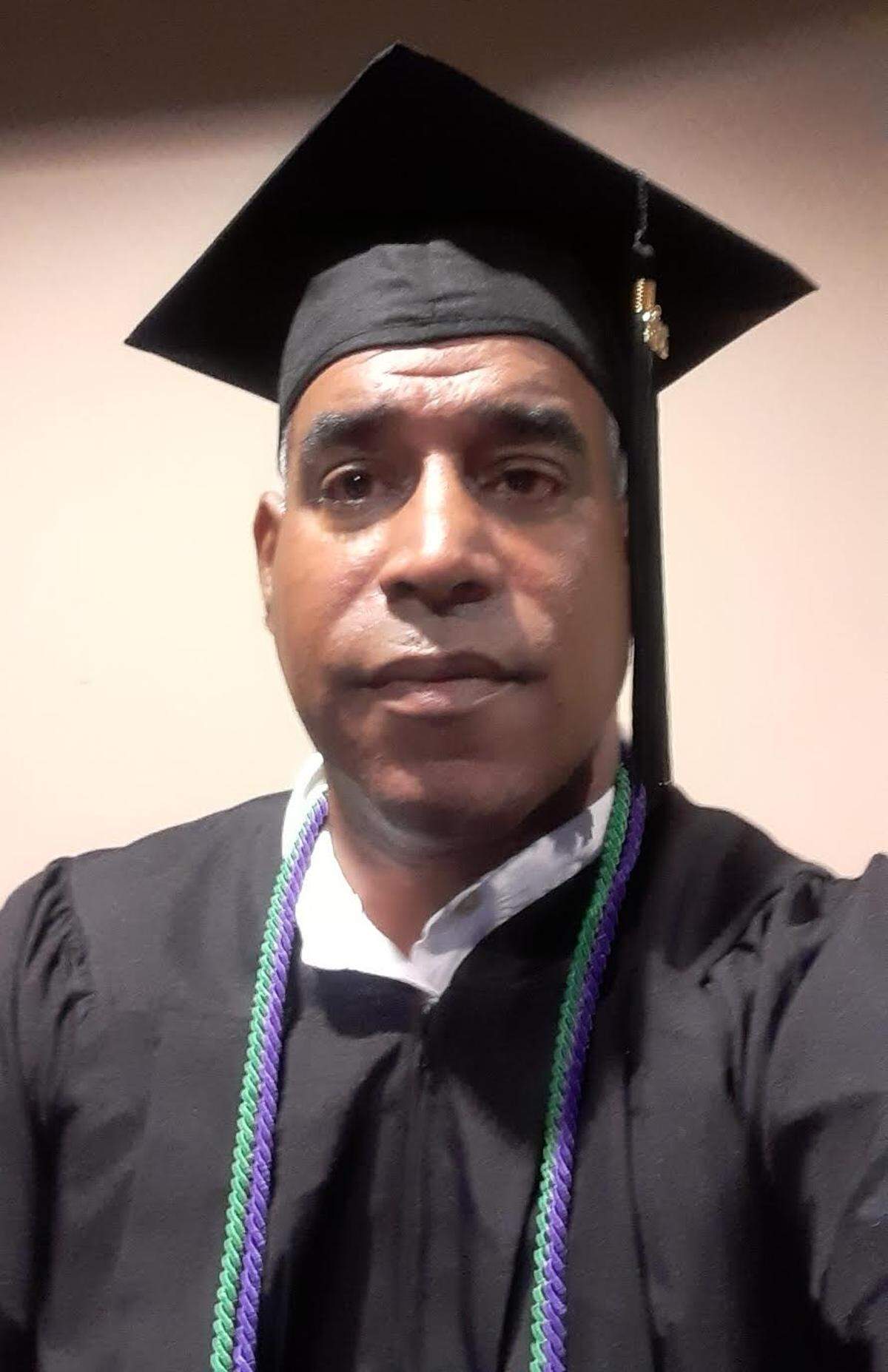
Every Sunday morning, I greet parishioners at the Orlando church where I oversee outreach and lead a ministry. I stand in the same church doorway I once slept in.
My journey from the streets to a good job in a pediatric hospital began at Florida Career College, a vocational training school, and demonstrates the life-changing power of an education. Schools such as FCC train people like me who never clicked in a traditional academic setting, giving us the best shot at a middle-class life. But some in Washington are trying to rob others of that same opportunity by withholding financial aid from FCC students.
The Department of Education earlier this year revoked FCC’s ability to participate in the federal aid programs most students depend on to finance their education. The department alleged that FCC broke testing rules designed to ensure students without high school diplomas can benefit from the programs and not rack up debt they can’t repay. FCC has denied the allegations and filed an appeal.
While I understand and appreciate the government policing trade and vocational schools, severe action like cutting off all aid is a mistake that condemns families to poverty and further widens the gaps that divide this country. During my time at FCC, no one helped me cheat or cut corners. They did, however, push me to excel, supported me when I was down and, ultimately, put me on a new track in life.
Just seven years ago, I was living on the streets of New York City. One day, as I sat outside of Penn Station, a stranger offered me food. I told him it was not pizza that I needed, but an opportunity to start fresh after a divorce and hard times left me penniless. I just needed someone to show me how to move forward with my life.
To my surprise, the man bought me a bus ticket and I was on my way to Miami, where I thought I’d be able to find more opportunities. After 22 hours, the bus stopped in Winter Park, Florida, where I hopped off to use the restroom. When I returned, I found the bus had left without me. I took a local bus to its last stop — a strip mall parking lot off the highway — where I ended up living for four years.
But in the summer of 2020, the church connected me to a man who had been homeless, too. He told me it was possible to turn my life around – and it started with an education. The thought of going back to school while living in a parking lot and struggling to survive sounded crazy. I did not even have my high school diploma. But he assured me that it was possible.
I enrolled in FCC’s medical front office and billing program. While pursuing that program, I could also obtain my high school diploma, something I had long given up on. It was not easy. But the classroom was a safe place to go during the day and it gave me hope for a different future.
The instructors supported me, even reaching out on weekends, and gave me the confidence and courage I needed to continue the program when it was challenging. I had always struggled in traditional classrooms, but the staff’s dedication allowed me to succeed. I even made the honor roll, something I never thought was possible.
Vocational training schools and career programs are often looked down on. But they are designed for and help people like me — people who have struggled with poverty and homelessness or were forced to drop out of high school to work and care for their families.
We are often forgotten and left behind by traditional higher education. Two- and four-year colleges are inaccessible and take years to complete. Programs like those offered by FCC can be finished in less than a year and prepare students for a variety of trades with hands-on training and job placements.
Upon graduation, we are skilled, qualified workers who contribute to our local economy and communities, working as dental assistants, medical assistants, heating and air-conditioning specialists, and automotive technicians.
Instead of shutting down vocational and career training schools like FCC, the Department of Education should work more closely with the institutions to monitor and maintain oversight while also ensuring people like me can continue to access the valuable programs. Without these schools, those of us working to climb out of poverty and homelessness are further limited in our ability to reach the middle class.
There are thousands of success stories like mine. If the Department of Education is committed to protecting the most vulnerable students, it should work to improve vocational and career training schools rather than move to shut them down.
Hendricks Reyes is a 2021 graduate of Florida Career College.