In Miami-Dade, extreme heat is a silent killer. Learn how to keep your cool | Opinion
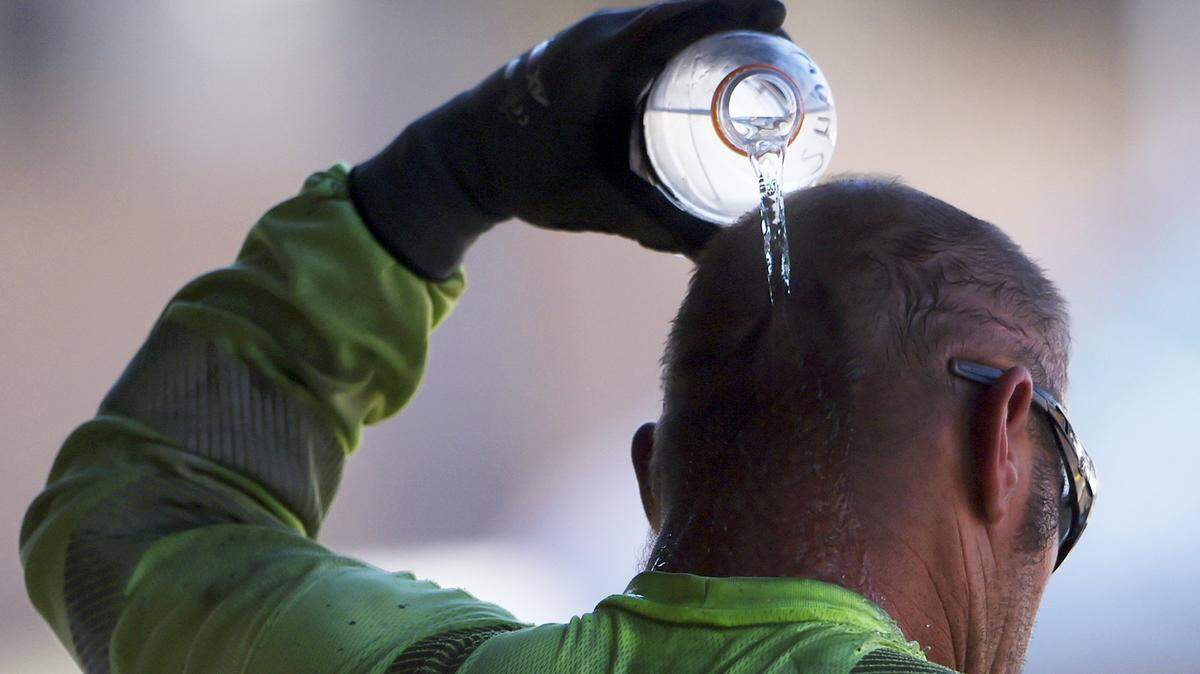
So far, this summer, Miami, like much of the rest of the South, has experienced scorching heat and record-setting temperatures. While South Floridians are accustomed to the annual preparation for hurricane season — June 1 to Nov. 30 — including locating flashlights and stocking up on bottled water, we are less prepared for the formidable climate risk of extreme heat.
Miami-Dade County official heat season runs from May 1 to Oct. 31. During this time, it is especially important to recognize that heat kills more people each year in the United States than any other extreme weather event. You can expect to see public-service campaigns raising awareness for people who are most vulnerable to rising temperatures with targeted and actionable messages to protect themselves from extreme heat and the potentially catastrophic impacts of these conditions.
Miami is known for its warm and inviting subtropical climate; however, climate change and rapid urban development have accelerated rising temperatures and the duration of our heat season. In South Florida, the combination of high temperatures and stifling humidity (known as the heat index) can make a 92-degree day feel like it is 105 degrees. By 2050, we are expected to have the largest increase of dangerously high heat days with a heat index over 100 degrees Fahrenheit of any county nationwide.
The impacts of rising temperatures disproportionately impact people in the most vulnerable communities, who are more likely to work in outdoor, labor-intensive jobs and are least able to afford the rising energy costs needed to maintain cool homes.
Prioritizing healthy and resilient communities by reducing the health and economic risks related to rising temperatures is at the core of meaningful collaborations among our local governments, non-profit organizations and academic institutions.
The generosity of The Miami Foundation and JP Morgan Chase & Co., alongside significant commitments from Miami-Dade County, have underpinned efforts to enhance community awareness, expand funding for tree planting and weatherization efforts, and provide training for businesses and healthcare practitioners to protect residents and businesses from the threats of extreme heat.
In 2021, Miami-Dade County Mayor Daniella Levine Cava appointed the world’s first chief heat officer, Jane Gilbert, signaling the commitment to and urgency of heat-related impacts in what is arguably Ground Zero for climate change in the United States.
After leading hundreds of discussions and working groups with local experts and residents, the county released the Extreme Heat Action Plan in December 2022. In addition to outlining achievable strategies to cool our built environment, the plan prioritizes outreach and engagement strategies that can best inform communities about the threats of heat, often referred to as the “silent killer.” In May, in collaboration with the National Weather Service, the county modified the extreme heat warning system to issue public advisories when the heat index reaches 105 degrees instead of the previous 108-degree threshold.
The University of Miami’s Office of Civic and Community Engagement (UMCCE) works closely with the Chief Heat Officer and other community stakeholders to develop free, publicly accessible mapping and policy tools that can further educate communities about the impacts of extreme heat on Miami’s historically marginalized communities.
The Climate and Equity Mapping Platform initiative expands UMCCE’s longstanding efforts to inform conversations about the intersections of affordable housing and urban resilience with data-driven resources that highlight the implications of climate change on our limited resources.
Visitors to the free online platform, the Miami Affordability Project (MAP) can visualize, assess and advocate for hyperlocal solutions that emphasize neighborhood priorities based on data about the built environment, flooding, public health, tree canopy, impervious surfaces and other indicators. You can also view locations of cooling centers across the county. In addition, our CCE Resource Hub provides monthly fact sheets addressing the intersections of climate change, extreme heat and their impacts on communities across South Florida.
As we enjoy the long days of summer, we wish you a season of fun with family and friends. During heat season, make sure to stay hydrated, avoid strenuous activity, seek shelter during the hottest times of the afternoon, check in on family and friends, and stay tuned for local heat advisories.
Stay safe and stay cool.
Robin F. Bachin is founding director of the University of Miami Office of Civic and Community Engagement. Jennifer Posner is senior manager for policy and programs at the Office of Civic and Community Engagement.