
Pride is not a performance, it’s a commitment to LGBTQ+ rights | Opinion
A friend recently asked: “Why is there so much hatred toward the LGBTQ+ community all of a sudden?”
The unprecedented wave of anti-LGBTQ+ bias we see today has a history that goes back decades. Whether it was Anita Bryant’s “Save Our Children’‘ campaign in Miami-Dade County in 1977 or the nearly 100,000 LGBTQ+ people forced from federal civil service during the last century, our society has a long and sordid history of discrimination against LGBTQ+ Americans. Fortunately, the lessons of yesteryear can be instructive as we seek to overcome the latest onslaught of anti-LGBTQ+ rhetoric and opposition.
Most recently, conservatives have directed their ire at companies such as Cracker Barrel and Target, which joined dozens of other organizations in recognizing Pride. Given this context, it feels like a surreal time to be LGBTQ+. “Gay” can’t be said, mentioned or referenced in Florida schools. Transgender people can’t be affirmed, advocated for or athletically inclined. And domestic terrorists seek to make any Pride celebration a perilous one.
As corporations initiate Pride festivities, they would do well to remember: Pride did not begin as a celebration, it began as a rebellion against police violence and social inequity. On June 29, 1969, a steamy summer night in New York City, a group of courageous patrons at the Stonewall Inn — led by the transgender people among them — decided to fight back against a barrage of public harassment. Over four days of protests, LGBTQ+ people showed the resilience, grit and determination that have become the hallmarks of our community.
Understanding the meaning of that historic moment is important because time and, unfortunately, politics obscure the complex nature of human-rights movements. Just as Florida Gov. DeSantis schemes to erase American history to appease the consciences of the privileged few, Pride has been portrayed in mainstream circles as an unbridled party where our neighbors and friends can be raucous and carefree.
Yet, Pride is about more than mere jubilation: It is the gleaming moment where the community unabashedly honors its beauty. Even in 2023, that is no small feat. With 650+ anti-LGBTQ bills introduced across the country this year alone, for the queer individual, Pride is an opportunity for righteous defiance, self-reclamation and personal liberation.
Accordingly, any attempts by our allies to support Pride should reflect a similar level of strength, resolve and commitment. When companies, civic groups and elected officials bow in the face of LGBTQ+ opponents, they send the signal that their Pride initiatives are performative and superficial. In those instances, Pride celebrations come across as self-serving campaigns rather than genuine measures designed to honor LGBTQ+ constituents, customers, employees and communities.
We must remember: Pride is a celebration born from struggle. It is an occasion made possible by sacrifice. It is a gathering made necessary by hate. And it would not be possible without the people who stand up and speak out, with little tolerance for sanctimonious beliefs, political posturing or the bullying tactics of those who would debase our freedom.
In other words, Pride was, and still is, a lesson in activism. It also highlights a need for courageous leadership. If our corporate allies want to heed the spirit of Pride, then their activism cannot culminate with parade floats, rainbow decorations or hackneyed sloganeering. Companies must intentionally embody the inclusive principles they espouse if they are truly invested in social justice.
Naturally, it would be reckless to dismiss the concerns for employee safety that companies such as Target are facing. Nonetheless, catering to the demands of extremists only emboldens them to demonize any future diversity and equity initiatives.
The physical and psychological safety of employees is important, but the cultural safety of all employees and shoppers is diminished when companies allow extremists to dictate their internal culture and public persona. Companies can use bold and creative measures to stand up to anti-LGBTQ+ bigotry. An equity mindset demands leadership, not deference, denial or capitulation.
Fighting for human rights is never easy, but neither is being LGBTQ+ in the current social landscape. True allyship asks companies like Target to be upstanders for LGBTQ+ inclusion instead of enablers for anti-LGBTQ sentiment. When companies observe Pride, they should avoid hollow gestures like virtue signaling or armchair activism and recognize the true origins, essence and spirit of Pride.
This is not a time to be daunted, dissuaded or deterred. Pride allyship requires the same type of bold leadership that members of the LGBTQ+ community exhibit every single day.
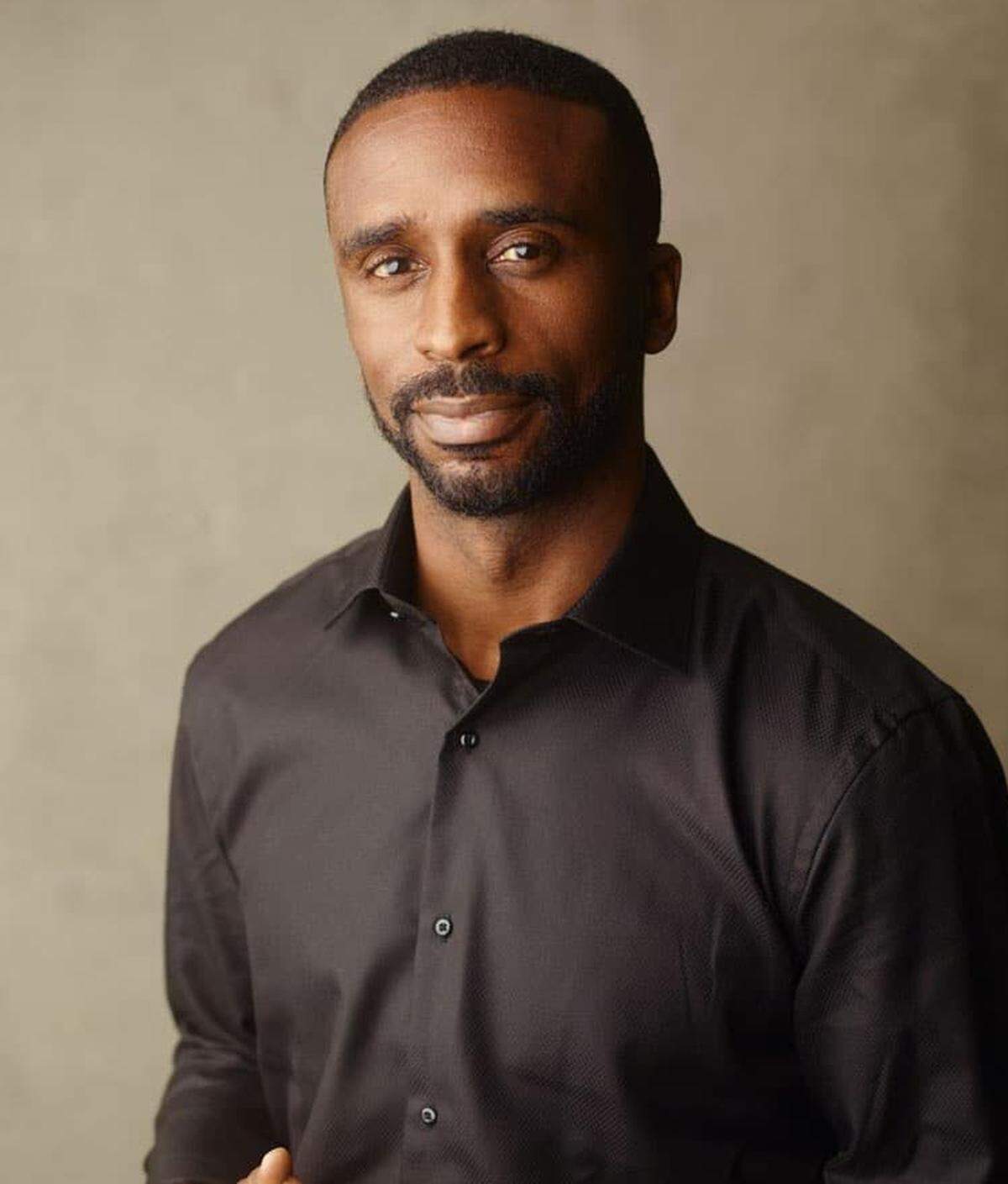
Dr. Joel A. Davis Brown is an organizational development consultant, professor and author of “The Souls of Queer Folk: How Understanding LGBTQ+ Can Transform Your Leadership Practice.”
This story was originally published June 27, 2023 at 12:45 AM.