
Once, Latin America and the Caribbean were immunization powerhouses. What happened? | Opinion
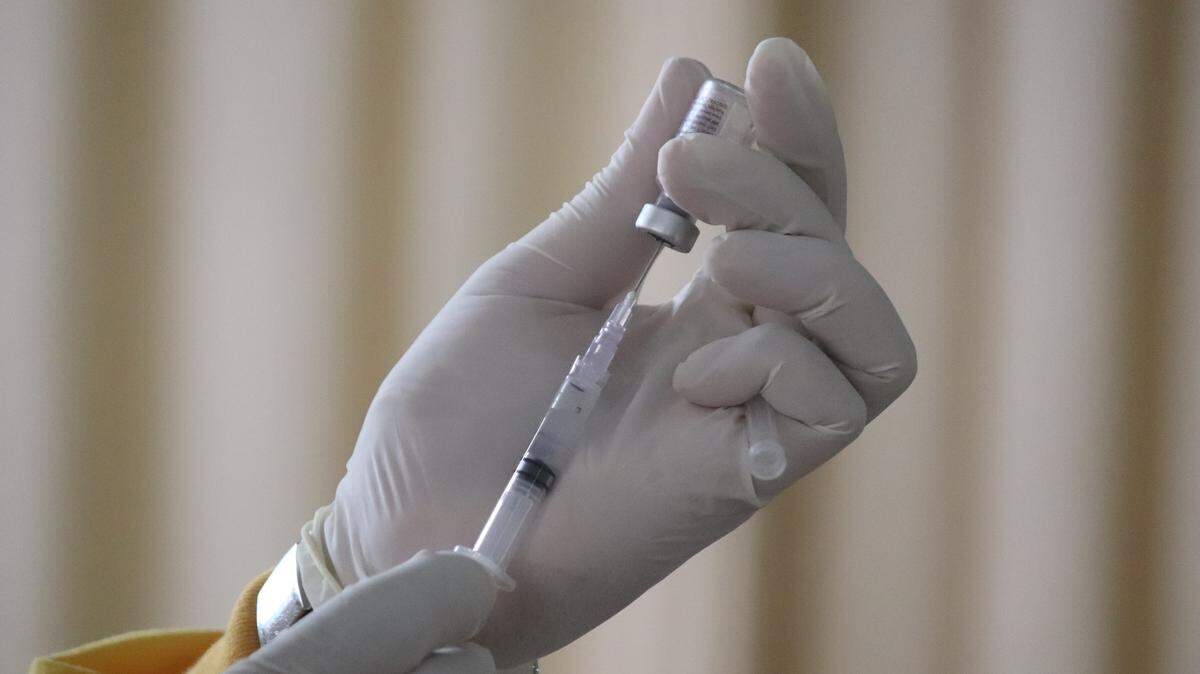
From measles outbreaks to reported cases of polio, dangerous diseases thought long gone are making a comeback in Latin America and the Caribbean. How is this possible in a region once declared measles- and polio-free?
The resurgence of preventable diseases like these are warning signs that Latin America and the Caribbean are failing to immunize its children.
This wasn’t always the case. For decades, the region boasted some of the highest rates of childhood vaccination in the world. As a child in Haiti, I didn’t fully realize the life-saving power of those jabs in my arm. As a father, doctor and development worker, I see that vaccines protect my daughters, patients and whole communities across the region.
However, in the past decade, childhood vaccination coverage — the marker of a country’s immunization performance — has steadily declined in Latin America and the Caribbean. Coverage of the third dose of the diphtheria-tetanus-pertussis vaccine among children under 1 dropped from 93% in 2012 to 75% in 2021, according to the World Health Organization and UNICEF’s latest estimates.
This is the region’s lowest routine immunization rate in almost 30 years, placing Latin America and the Caribbean well below the global average of 81% and just ahead of Eastern and Southern Africa’s 74%. It means that 2.4 million children in the region — one in four children under the age of 1 – are unprotected from life-threatening diseases. More than 1.7 million of them are “zero-dose,” having never received a vaccine at all.
In one of the most unequal regions in the world, it’s no surprise that the poorest children have been hardest hit. In Latin America and the Caribbean, we see that children in the poorest households are almost three times as likely to be zero dose as children in the wealthiest households, new analysis in UNICEF’s State of the World’s Children 2023: For Every Child, Vaccination finds. Indigenous and Afro-descendant children are among those most likely to be missing out.
How did Latin America and the Caribbean lose so much ground? While we need to further examine the reasons for the region’s alarming backslide, the decline may be driven by multiple factors. Natural disasters, violence, urbanization, instability and migration all have contributed to growing inequalities, cutting off marginalized communities from quality care.
COVID-19 further disrupted childhood-immunization services as overstretched health systems coped with the crisis, and families were ordered to stay at home to prevent the virus’ spread. There are also signs of declining vaccination confidence in some countries in recent years.
Perhaps most important, Latin America and the Caribbean seem to have taken its historically high immunization rates for granted. Not all countries in the region invest enough resources in primary healthcare, with some even reducing public spending on health in recent years. Yet immunization is one of the simplest and most cost-effective public-health interventions known. Vaccination not only saves lives, it also is a proven strategy for reducing future health costs, generating strong returns on investment — as much as $26 for every $1 spent.
With one of the best track records in childhood vaccination, Latin America and the Caribbean havev no excuses. Ten years ago, this region proved it could protect children from life-threatening diseases. Now, with more knowledge, capacity and resources, there is no reason why we can’t recover from backsliding and reach the 95% routine immunization coverage required to build our immunity and keep us all safe.
From parents and caregivers to health workers and national leaders, we all have a part to play in rewriting Latin America and the Caribbean’s vaccination story. Governments and partners must invest urgently in immunization and primary healthcare to control vaccine-preventable diseases in children now.
Otherwise, sooner or later, we all will pay the price.
Dr. Garry Conille is UNICEF’s regional director for Latin America and the Caribbean.

This story was originally published April 20, 2023 at 5:04 PM.