Recognizing intersection of race, gender, disability helps students thrive. Why is that a crime in Florida? | Opinion
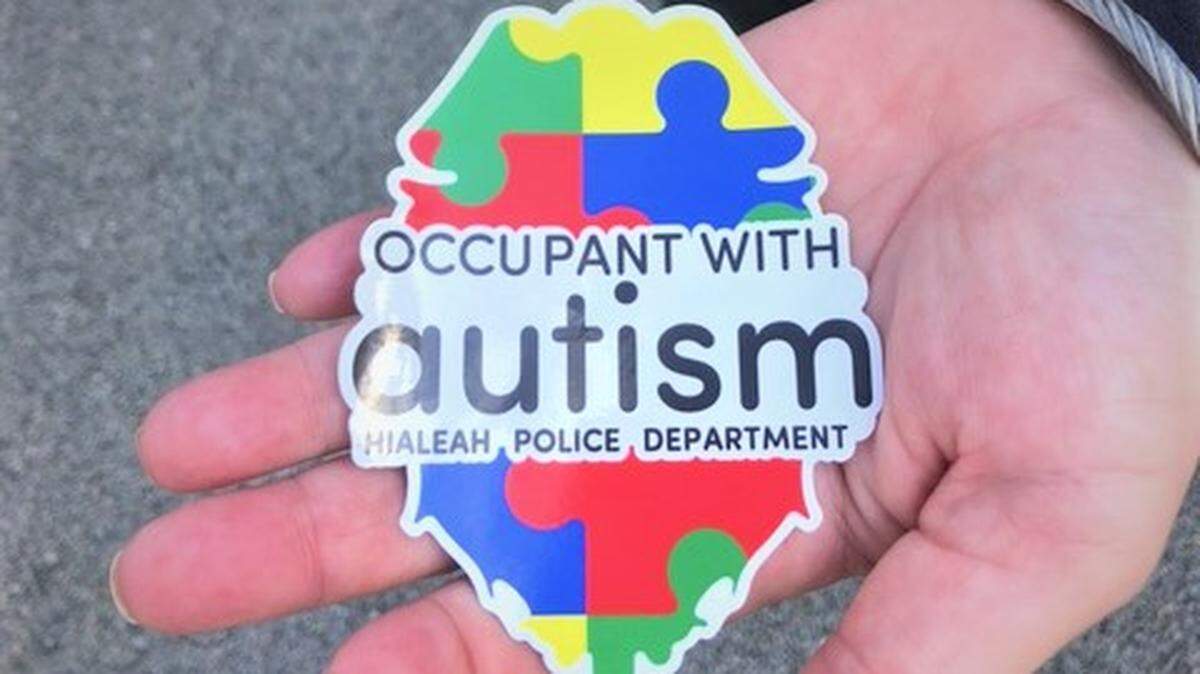
April is Autism Awareness Month. Organizations such as The Color of Autism work to remind us that families of all backgrounds want to end the stigma associated with disabilities.
Florida has made national news because of its ban on Critical Race Theory. Recent efforts to silence discussions about race in K-12 and college classrooms have implications for students with disabilities, including those with Autism Spectrum Disorders.
In a public statement justifying why they rejected a pilot version of the Advanced Placement African American Studies curriculum, representatives of the Florida State Department of Education published a table that included information about intersectionality.
Unfortunately, the state agency that granted my first teacher license 18 years ago misinformed the public about what the term means. Their table indicated that intersectionality “ranks people based on their race, wealth, gender and sexual orientation.” But intersectionality does not rank people. Instead, it explains how individuals and groups may experience multiple forms of discrimination. Why would state education leaders describe intersectionality as an “obvious” violation of Florida law?
When I first became a special education teacher in 2005, George W. Bush already signed No Child Left Behind (NCLB) into law. In Florida, Gov. Jeb Bush established the Florida Comprehensive Assessment Test, a criterion-referenced assessment in mathematics, reading, science and writing for students in grades 3-11.
Educators and civil-rights groups lamented the increased emphasis on high-stakes testing. For example, scholar Prudence Carter argued that teachers should not focus on the “achievement gaps” of students of color compared to white students, but instead on their opportunity gap. On the other hand, my colleagues in the disability community appreciated how these measures monitored the academic performance of students with disabilities, a population ignored for too long.
Today, I am a university professor who researches and teaches about intersectionality in special education. In this work, I see great variation between how educators are prepared to talk about diversity or inclusion. In special education, “diverse learners” often refers to students with disability categories without necessarily addressing their race, ethnicity or linguistic origin. This is problematic when considering the well-documented disproportionate number of Black, Indigenous and Hispanic students in special education.
Administrators and staff at my first teaching assignment in Miami Gardens were — like my students — predominantly Black. We were also thoughtful about our approach to working with a racially and ethnically diverse community.
Across the United States, K-12 public school students of color are unlikely to have teachers who share their cultural background. In the 2020-21 Florida Department of Education report on instructional staff indicates that 13% of teachers in Miami-Dade County self-identified as white and 63 % identified as Hispanic/Latino or Black/African American.
Yet despite the diversity of educators in South Florida, I noted that some colleagues struggled working with students with disabilities. All teachers must understand how schools are implicated in multiple systems of oppression, such as racism, ableism and classism. Intersectionality helps educators see how students’ multiple identities relate to their educational opportunities and experiences.
When President Bush signed NCLB, he denounced the “soft bigotry of low expectations.” While experts continue to debate the impact such policies have on students, one thing is abundantly clear: During the early 2000s, Republican leaders worked across the political aisle to address the role education plays in correcting inequities. Republican-led efforts to close the achievement gap made this country’s educators take an unflinching look at race, socioeconomic status, disability and language origins.
I do not understand why Florida would criminalize intersectionality. Race, disability and other social identities matter in schools. Intersectionality gives a framing to have conversations about social differences. We must continue to be bold and not shy away from conversations about these issues, because, “It is not our differences that divide us,” as writer Audre Lorde once said. “It is our inability to recognize, accept and celebrate those differences.”
Dr. Mildred Boveda is an associate professor of education at the Pennsylvania State University. She is a former student and teacher of Miami-Dade County Public Schools.