
Who’s a doctor and who is not? Florida Legislature should make sure the public knows | Opinion
On Jan. 25, 2023, National Public Radio-affiliate WGCU News reported on a new doctorate program for certified registered nurse anesthetists at Florida Gulf Coast University in a segment entitled, “FGCU nurse anesthesiologists will be doctors for the first time.”
FGCU Professor Robert Bland was identified in writing and in a photograph as, “Dr.” without clearly labeling his degree as that of a non-physician, and the report quoted Bland as saying that, “nurse anesthesiology is basically the same as medical anesthesiology.”
When listeners expressed concern about this reporting, WGCU News noted that Florida’s Board of Nursing allowed a petitioner to use the term “nurse anesthesiologist” in 2019, and that nothing in Florida statute forbids the practice. An editor’s note summarized: “WGCU stands by the use of ‘nurse anesthesiologist.’”
While physicians do not own the title “doctor,” using the term in a clinical setting can be confusing to the public, with reports showing that many patients already struggle to understand medical roles. The term “nurse anesthesiologist,” a new title promoted by some nursing advocates, may further blur the lines between who is a physician, and who is not.
Implying (or in this case, frankly stating) that nurse and physician training are equivalent is inaccurate and deceptive to the public, which deserves to understand the education of those providing their medical care. Physicians must complete 12-14 years of education and 12,000-16,000 hours of clinical experience before being permitted to independently provide anesthesia for patients.
Even with an additional year of doctorate training, nurse anesthetists receive just a fraction of this clinical education. Rebranding from nurse anesthetist to nurse anesthesiologist will not close the gap in training and knowledge base between the two groups.
The extensive training and experience of a physician can mean the difference between life and death, with a study in the peer-reviewed journal Anesthesiology showing that in surgical cases in which anesthesia or surgical complication occurred, physicians trained in anesthesiology prevented 6.9 excess deaths per 1,000 cases compared to certified registered nurse anesthetists.
WGCU News’ refusal to clarify medical titles proves the need for legislation to require truth and transparency among healthcare practitioners. New Jersey and Indiana have already codified such requirements into law. HB 583, introduced by Florida Rep. Ralph E. Massullo, a physician, would strengthen Florida’s current truth in advertising laws, requiring accurate disclosure of the educational background of clinicians, and protecting medical titles to prevent patient confusion. Words matter, and truth and transparency are essential to protect the public from the ever-present threat of “scope creep” in healthcare.
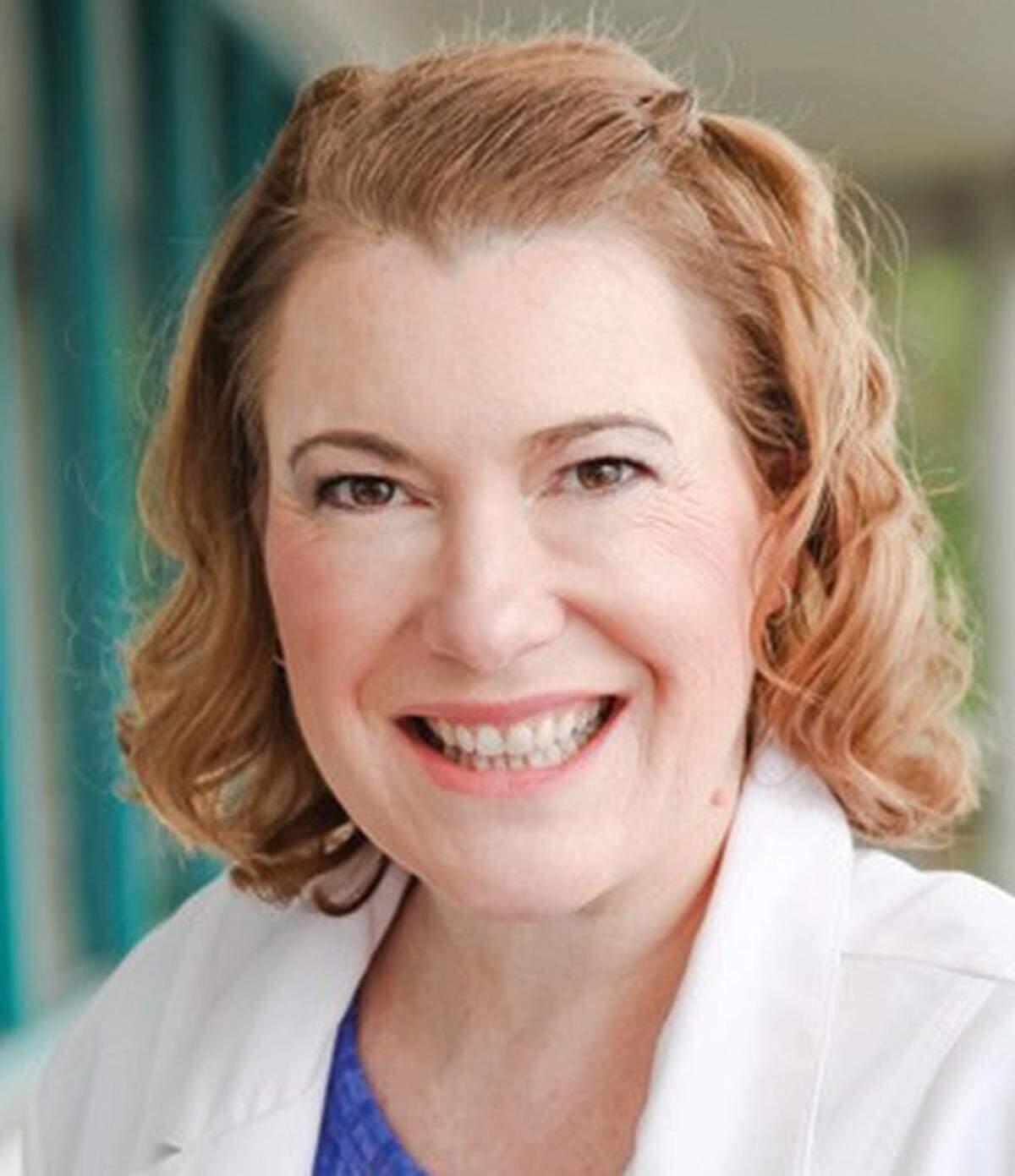
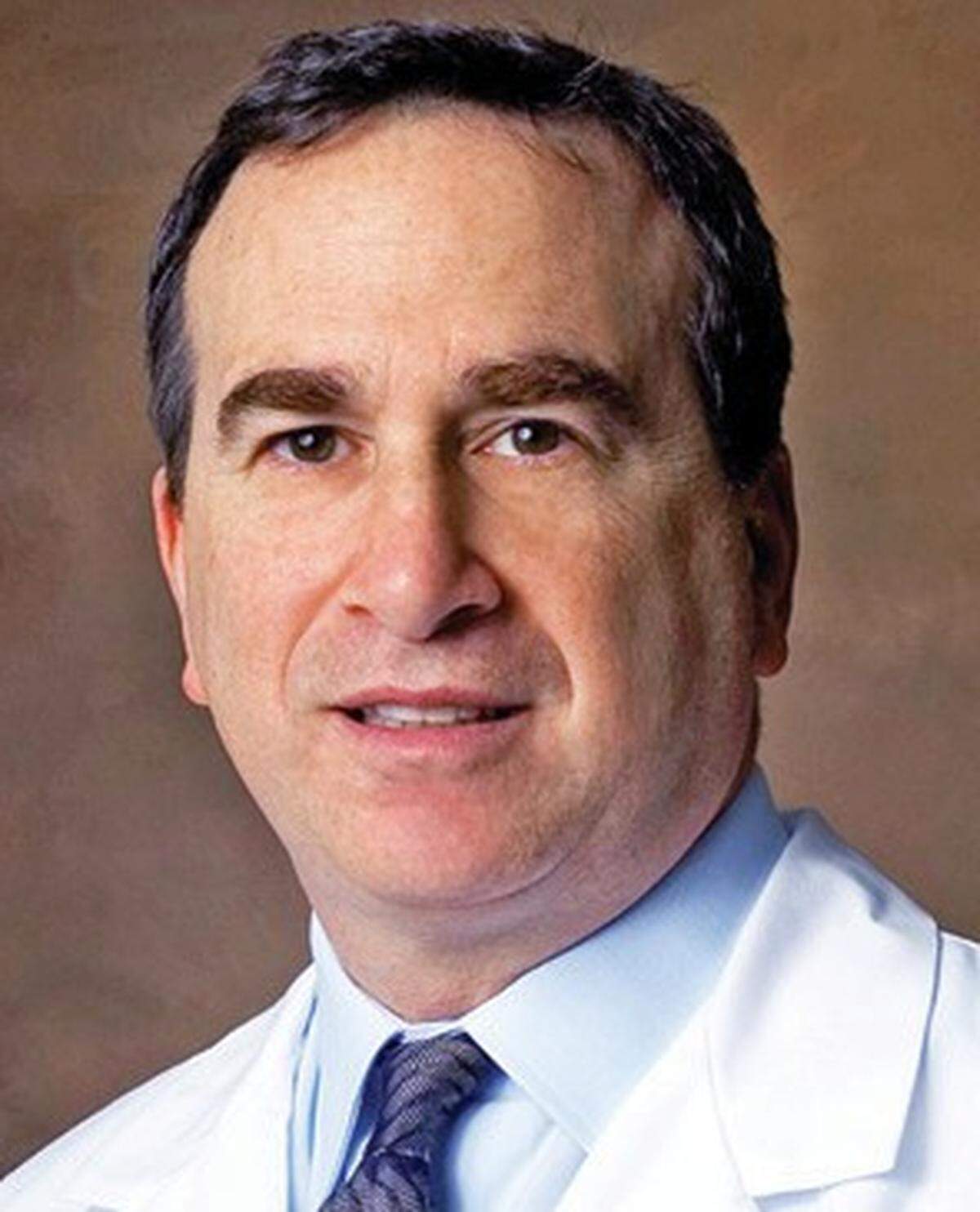
Rebekah Bernard, MD, is president of Physicians for Patient Protection and a family physician in Fort Myers. Mitchell Zeitler MD is a board-certified anesthesiologist in Naples.
This story was originally published April 14, 2023 at 10:21 AM.