
Do DeSantis, Orlando sheriff seek to persecute prosecutor for simply following the law? | Opinion
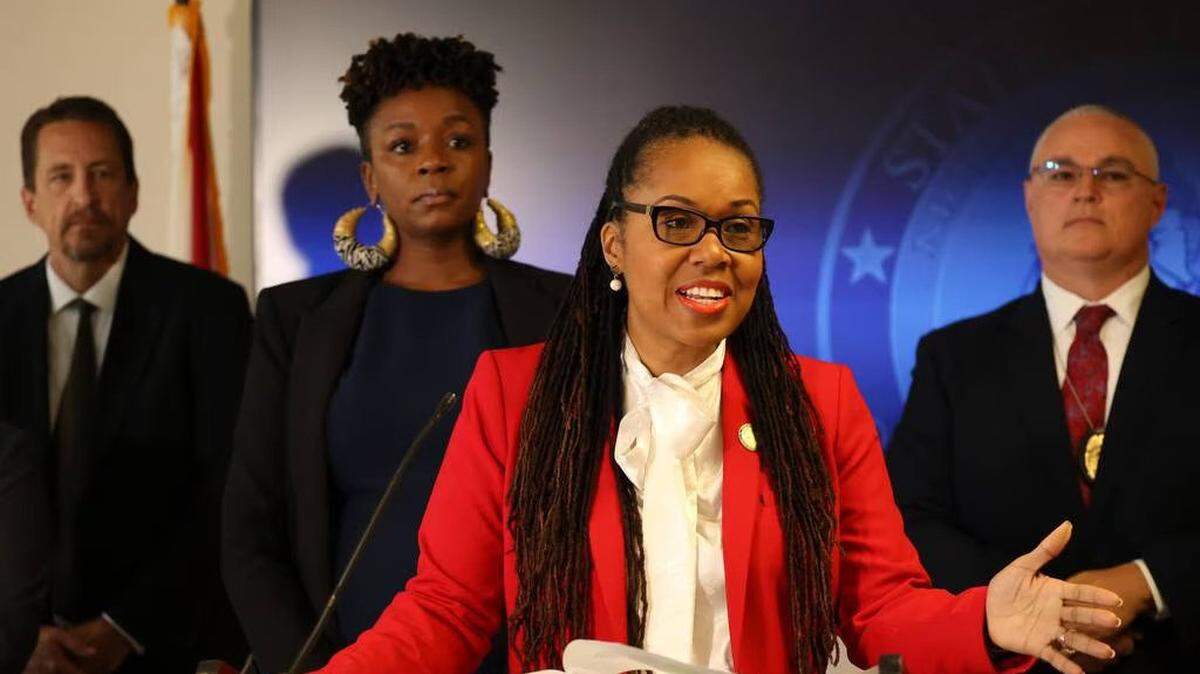
Florida Gov. Ron DeSantis, U.S. Sen. Rick Scott and Orlando Sheriff John Mina have unloaded unwarranted criticism of Orlando-area State Attorney Monique Worrell. Key to the dispute is a shooting that killed three people — a 9 year old, a mother and a news reporter. It appears Mina is playing an outsized role in building a case for Worrell’s suspension from office, much like that of neighboring Hillsborough State Attorney Andrew Warren.
Murder suspect Keith Moses, 19, is at the center of the case. According to the Tampa Bay Times, he had a juvenile record and was arrested in 2021 with several occupants in a car that smelled of suspected cannabis and in which a gun was found. The case was dismissed due to lack of evidence; the governor and the others argue that the case should have been prosecuted, which, in their minds, would have prevented the murders.
The reality is the crime lab could not conclusively say if it was cannabis or hemp in the car. Hemp is legal nationally; cannabis, while often decriminalized in small amounts, is still illegal in Florida without a medical card. Second, the gun recovered was not tested by the lab at the Orlando Sheriff’s Office or the Florida Department of Law Enforcement — meaning no fingerprints or DNA were recovered. Since there were several people in the car, there was no way to link the firearm to one specific occupant. Without that evidence, it was impossible to prove the case and get a guilty verdict.
The standard of proof in all criminal cases is “beyond a reasonable doubt.” Florida Statutes section 90.304(2) states that “in a criminal case, the state must prove the elements of the crime beyond a reasonable doubt, and the jury must be instructed that proof beyond a reasonable doubt is required for conviction.” In addition, the U.S. Supreme Court has held that the Due Process Clause of the 14th Amendment to the Constitution requires the prosecution prove guilt beyond a reasonable doubt. It is a breach of ethics, and flat-out illegal, for a prosecutor to bring a case with insufficient evidence of guilt.
Despite these basic legal facts, Mina monitored Worrell’s office’s handling of cases, claiming her office does not pursue violent charges. The reality is, prosecutors cannot manufacture evidence. Some police departments nationally try to throw prosecutors they deem “progressive“ under the bus to obscure the fact that, while a crime may have occurred, officers were unable to make an arrest.
Additionally, when they do make an arrest, if the witnesses/victims are reluctant to testify, the case falls apart. I saw this frequently during my 16 years as a Miami prosecutor handling homicides and cases of people designated career criminals by Florida law. Those cases are hard, and prosecutors have to make tough choices based on the evidence available — plus the wishes, or fears, of the victim or survivors.
Despite Mina’s “investigation“ of State Attorney Worrell‘s office, no one found any blanket policy of nonprosecution of cases, and has yet to point to a single case where there was concrete evidence to move forward and Worrell declined to do so.
Instead of acknowledging this fact, it appears Mina has taken a different tack, attacking Worrell for having a “Brady list,” developed because prosecutors have an ethical obligation to share any evidence that could be potentially exculpatory to the defense. If a police officer has lied in the past, has a number of complaints of violence, inappropriate investigative tactics or has engaged in anything that could impact the accuracy of evidence in a case, the prosecutor is legally bound to reveal this information. Mina pushing back on this shows that he does not understand the legal/ethical obligations of prosecutors.
This is blatant attempt to help the governor suspend another duly elected official. Playing politics is destructive for our communities, and does nothing to further public safety. Putting innocent people in prison does not solve anything; punishing those who have actually committed crimes, with solid evidence, is the key. It is sad that some of our sheriffs and our governor do not seem understand the basic tenets of the Constitution.
Or more insidiously, maybe they do, and don’t care in favor of political gain.
A prosecutor cannot predict whether someone will commit another crime. If they could, they’d probably pick winning lottery numbers, too. Rather, they do the best they can with the information and evidence they have at the time. If they have enough to proceed on a case, they do so.
This witchhunt only serves the political agenda of some, while harming our community as a whole.
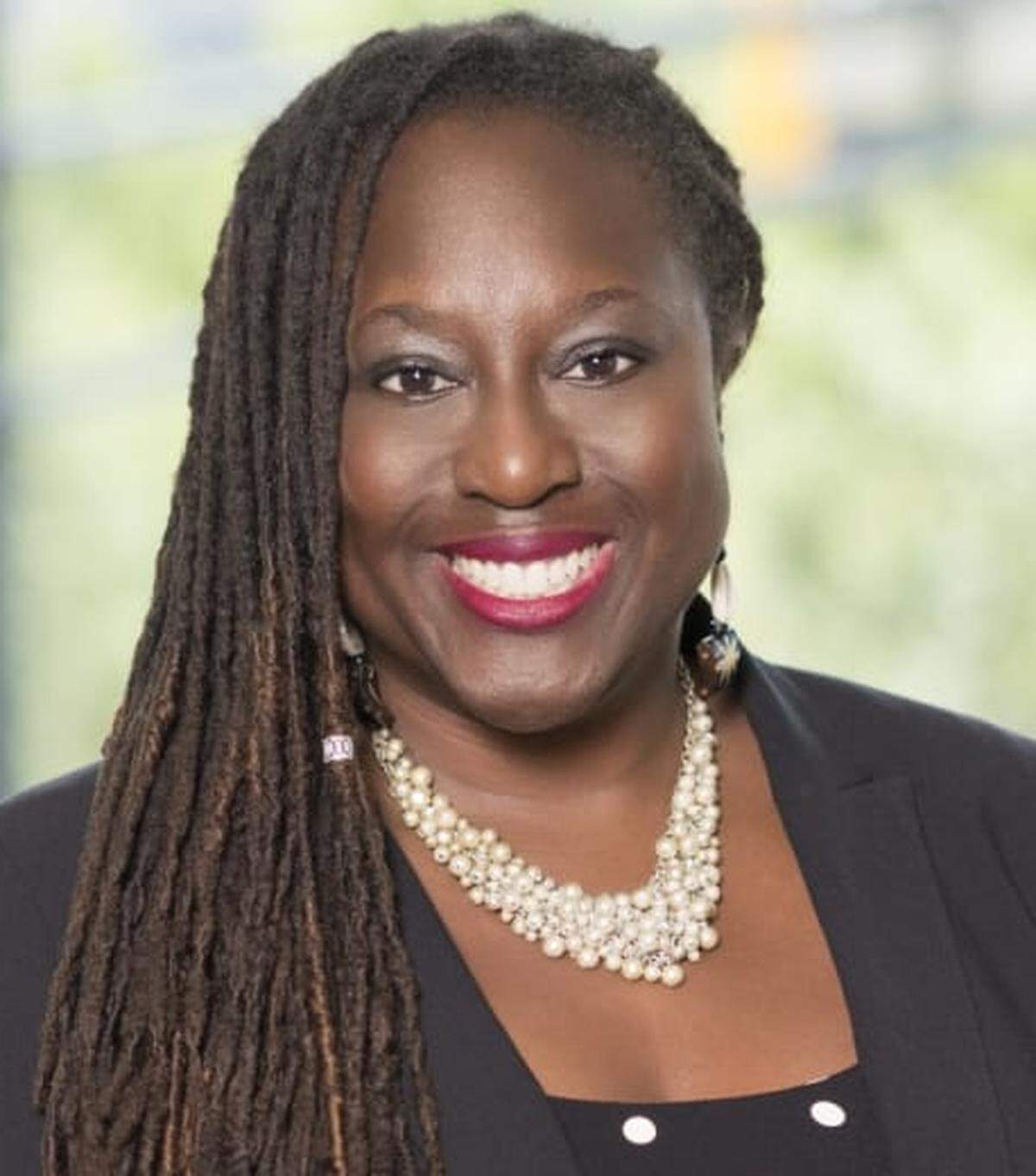
Melba Pearson is an attorney specializing in civil rights and criminal justice policy. She is a former homicide prosecutor in Miami.
This story was originally published April 13, 2023 at 1:09 PM.