Hidden history of Black LGBTQ Miami blossoms today in Little Haiti gallery | Opinion
At a time when Black and LGBTQ+ histories are under attack, a new Miami exhibit honors local Black queer history. To be clear, “Give Them Their Flowers: An Exhibit of Black LGBTQ+ Miami History” is not a reaction or response to these attacks. However, the show, which has long been in the works, comes as a much-needed breath of celebration in these times.
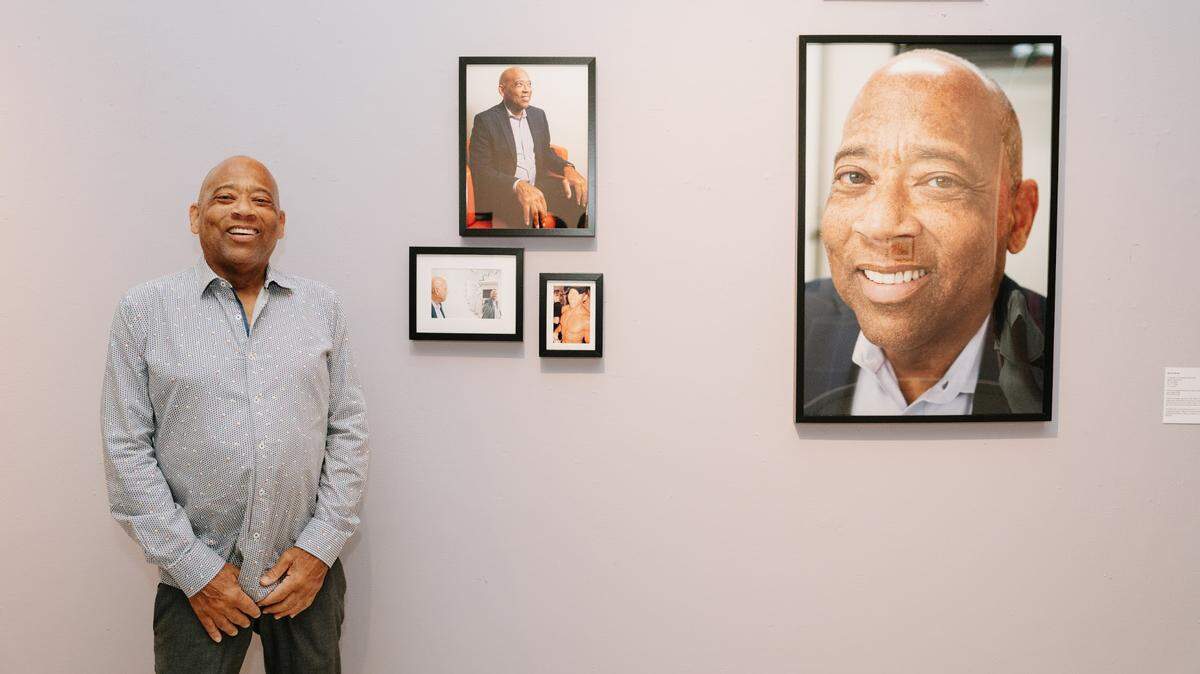
“Give Them Their Flowers,” an exhibition curated by journalist and community historian Nadege Green — on view at the Little Haiti Cultural Center until April 23 — answers back to historical silence of Miami’s Black LGBTQ+ community in heartfelt and beautifully executed detail. The loving local self-reference of this labor of love is what makes this historic project remarkable. Portraits and oral histories of Black queer Miamians, archival research, ephemera and a powerful memory space for our departed Black LGBTQ+ loved ones.
The title’s simple declarative does not shout, overexplain or plead. Deserving the recognition and gratitude of “flowers” is not up for discussion: Give. Them. Their. Flowers.
The site — the Little Haiti Cultural Center Art Gallery — located in the perennially-under-threat Little Haiti neighborhood, which is rapidly gentrifying, is a potent reminder of the crucial importance of place — and of Black space.
The so-called racial reckoning of 2020 — with the accompanying promises unmet and pledges from institutions faded — but the urgency of racial justice remains. History is essential to justice and our democracy, which is why we invested in the creation of this cultural memory work.
“Give Them Their Flowers” is evidence of what is possible when we provide early and robust support for Black creators and is a vehicle for reinvigorating meaningful allyship, philanthropic support and collaboration.
Four decades ago, writer and activist Essex Hemphill called for the sort of “evidence of being” that can be seen in the evocative photos, text, video interviews and art of Green’s exhibit, created with curator Marie Vickles and a team of local Miami artists and collaborators. The subjects are living and poised to tell more from Miami-Dade’s Jim Crow era to the current moment.
Before this, the local history of Black LGBTQ folks had been muted or reduced to footnotes in popular and scholarly narratives of both LGBTQ+ Miami history and Black Miami
Memorials to the fallen are beautiful and necessary, but this homage to the living and their connections to Miami’s present and past hits different. “Give Them Their Flowers” is a model as community archivists around the country and around the world ask themselves what happens when we take the individual and collective experiences of Black queer folks seriously by listening attentively, archiving their stories for future generations and displaying them in all their glory? What happens when family, friends and community are invited in? How does place matter?
The evening the exhibit opened to the public, 300 people filled the space, and community members and visitors continue to make the journey to Little Haiti to behold this historic exhibit. In the space, we have witnessed tears of joy and delighted hugs. This is a homecoming and celebration for Black LGTBQ+ Miami.
Finally.
Jafari Allen is the author of “There’s a disco ball between us: A theory of Black gay life. He is co-founder of University of Miami’s Center for Global Black Studies and professor of African American and African Diaspora Studies at Columbia University.
Corey Davis is co-founder and executive director of Maven Leadership Collective, an ideas lab for talented queer and trans social-impact leaders of color and allies to build ecosystems of support for more just communities with greater ease, agency and belonging.