
Airlines are willing to risk our lives. Tell them pilots need more training, not less | Opinion
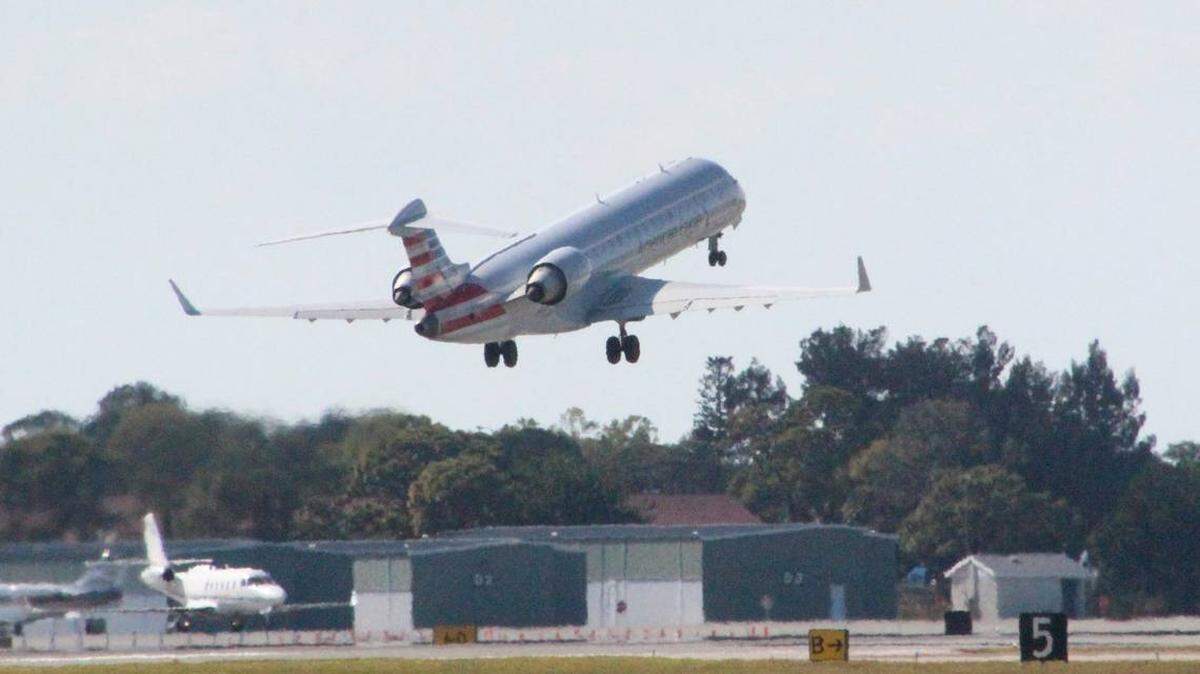
In backrooms and dark corners, airline lobbyists, particularly the Regional Airline Association, are scurrying all over Washington, trying to undo all the hard work that has been done to make air travel the safest form of transportation in human history.
They want to try to cheapen pilot training and levels of experience for their own financial gain and expedience. They’re trying to do what is easier and cheaper for them, not what is best for passengers or crews, or for their industry.
Once again, it is necessary that those of us who deeply understand that safety must be the priority are fighting the same battles that we have had to fight too many times before.
This time, lobbyists are trying to weaken pilot experience requirements by seeking super credits for certain training experiences and, in so doing, substantially lower the number of actual pilot flying hours required.
This subterfuge is trotted out as a way of achieving their goal of cheapening and quickening flight training without appearing to lower the total 1,500 hours required. But with super credits, the total flight hours would be much less, as much as 50% less. If we were trying to provide more physicians to serve rural areas, would we suggest that the answer would be to cut medical school in half from four years to two years? No, we’d say that would be crazy — because it is crazy.
When pilots have only a few hundred hours of flight experience, they have experienced only one cycle of the seasons as a pilot: one spring of gusty crosswinds, one summer of thunderstorms, one fall of fog and frost, and one winter of ice and snow. And if their flight training were all conducted in Florida, they would not have experienced a real winter. If their training were in Arizona, they might not ever have flown in a cloud. The first time they encounter real weather should not be when they are flying paying passengers, unwitting and unwilling test subjects.
The way pilots develop the critically important judgment they must have is through effective experience in the real world of operational flying, with its challenges and ambiguities, not in the hand-holding of the sterile training environment and not just in simulated flight.
The lobbyists also are posing a false choice between quantity and quality of flight training and experience, trying to convince us that if the quality of training is good enough, then less of it should be required. In reality, we can and we must have both.
On US Airways Flight 1549 on Jan. 15, 2009, First Officer Jeff Skiles, now a captain, had 20,000 hours of flight time, like I did. He and I had only 208 seconds from losing thrust after being struck by a flock of birds to when we landed in the Hudson River. We did not have time to discuss what happened and what to do about it. I had to rely on him immediately and intuitively knowing what he should do to help me. We had to be able to collaborate wordlessly. If he had been a lot less experienced, we could not have had as good an outcome or saved every life.
It is not only in extreme emergencies that airline flying requires two fully trained, qualified and experienced pilots in every cockpit. Those same aptitudes, traits and qualities must be present as well at the other end of the spectrum. In fact, one of the biggest challenges in airline flying is how often it is routine. Pilots must have the professionalism and commitment to prevent complacency and ensure best practices are adhered to every hour of every flight, every day, every week, every month and every year.
I call on everyone who flies to loudly and forthrightly tell the airline lobbyists that we’re on to them and their subterfuge, and we’re not having it. We are not going to allow them to turn back the clock to the days not that many years ago when there were dozens of airline crashes and hundreds of deaths each year.
Pilots must have the aptitude and diligence to strive for excellence and become the best of the best. And we must arm them with the knowledge, skill, experience and judgment necessary to handle whatever challenges they will face.
High levels of pilot training and experience literally make the difference between success and failure, life and death.
Just good enough, isn’t.
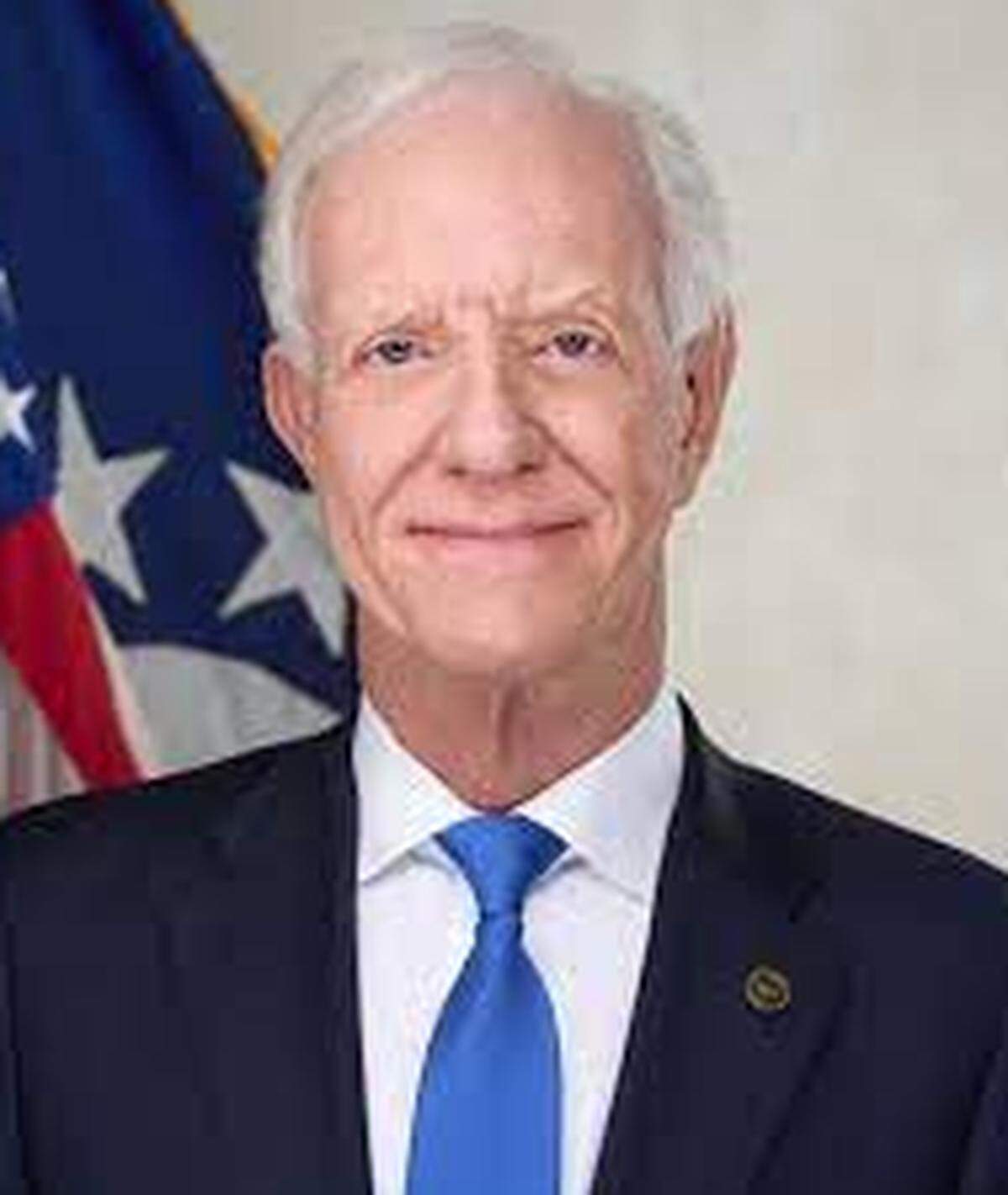
Capt. “Sully” Sullenberger landed a US Airways plane on the Hudson River in 2009. He was most recently the U.S. ambassador and permanent representative to the International Civil Aviation Organization, a specialized agency of the United Nations.
The Chicago Tribune
This story was originally published March 8, 2023 at 6:13 PM.