This time, the state of Israel is under attack from within | Opinion

The recent turbulence in Israel evokes a strong feeling of déjà vu. As one of the Yom Kippur War generation, I remember vividly those dark days in October 1973, when Israel faced the joint onslaught of the Syrian and Egyptian armies.
At my airbase, when we were meeting gloomily with our fellow airmen who had just returned from the bloody battlefronts, we learned who had been killed, who had been taken POW, who was missing. Still, our spirit was strong and our resolve unshaken. We believed that standing together, we would win the war, and we did.
Today, 50 years later, we are attacked again, and we feel the same sense of urgency, of a serious danger to the state of Israel. Except that this time, the attack comes not from the outside, but from within.
Benjamin Netanyahu, whose Likud Party won the elections in November, formed a coalition with partners whose vision of Israel is alarming: Haredi (Ultra-Orthodox) parties, that want women to sit in the back of the bus, away from men, and don’t want children to learn math and English, dooming them to sure poverty.
The Religious Zionist Party calls for annexing the West Bank, thus creating one state between the Jordan River and the Mediterranean, where millions of Palestinians might become second-rate citizens. In reaction to the pogrom Israeli settlers had carried out in the Palestinian village of Hawara, in revenge for the murder of two Israeli settlers, party leader Bezalel Smotrich, Israel’s finance minister, said: “Hawara should have been wiped out.”
As if this were not enough, there is our minister of home security, Itamar Ben-Gvir, leader of Otzma Yehudit (Jewish Power) and a disciple of the racist Rabbi Meir Kahane, a convicted hoodlum and the man who, in the summer of 1995, held the emblem of the Cadillac of Prime Minister Yitzhak Rabin, and proudly boasted that, “We got the emblem of Rabin’s car; next time we can get him.”
These are Netanyahu’s bedfellows, and each and every one of them holds him hostage, because, with the slim majority he has in the Knesset, they can easily topple his government any moment.
The main problem, or threat, however, comes from Netanyahu’s own party, Likud. His minister of justice, Yariv Levin, has just launched what he calls “a judicial reform,” but in essence it is a constitutional revolution that, if passed, will dramatically weaken Israel’s stature as a democracy.
To start with, Israel is one of the rare countries that doesn’t have a constitution. Therefore, the Knesset can pass any law by any majority. The implication for the vulnerable segments of society — women LGBT, Arabs — is obvious. The enacting of “Basic Laws” in 1990 made this a bit more difficult, because the Israeli Supreme Court can determine that, if a regular law contradicts a Basic Law, it cannot pass. That won’t be the case if Levin has his way. He’s pushing a law that will let the Knesset overrule a Supreme Court decision.
This is only one of the steps Levin and his allies are taking to weaken the Supreme Court — an institution revered around the world — and will shatter the balance between the three branches of power.
It’s no secret that this blitz on our system is meant to serve Netanyahu, being tried on three serious charges of corruption. With an omnipotent government, servile Knesset and castrated Supreme Court, he believes he can elude justice. That Israel, in the process, will not be a democracy anymore, is the least of his concerns.
This is why we, the veterans of the Yom Kippur War, feel the same sense of danger, threatened, this time, from within. And at our advanced age, we will take to the streets, with the Israeli flag in our hands, to defend our country.
We learned the lessons of Hungary and Poland, where people didn’t stand up against authoritarianism in time. Every week, more people join our ranks in protest, left and right, Jews and Arabs, young and old. In every poll, almost two out of every three Israelis oppose this attack on our democracy. We will continue to protest, until Israel is saved again.
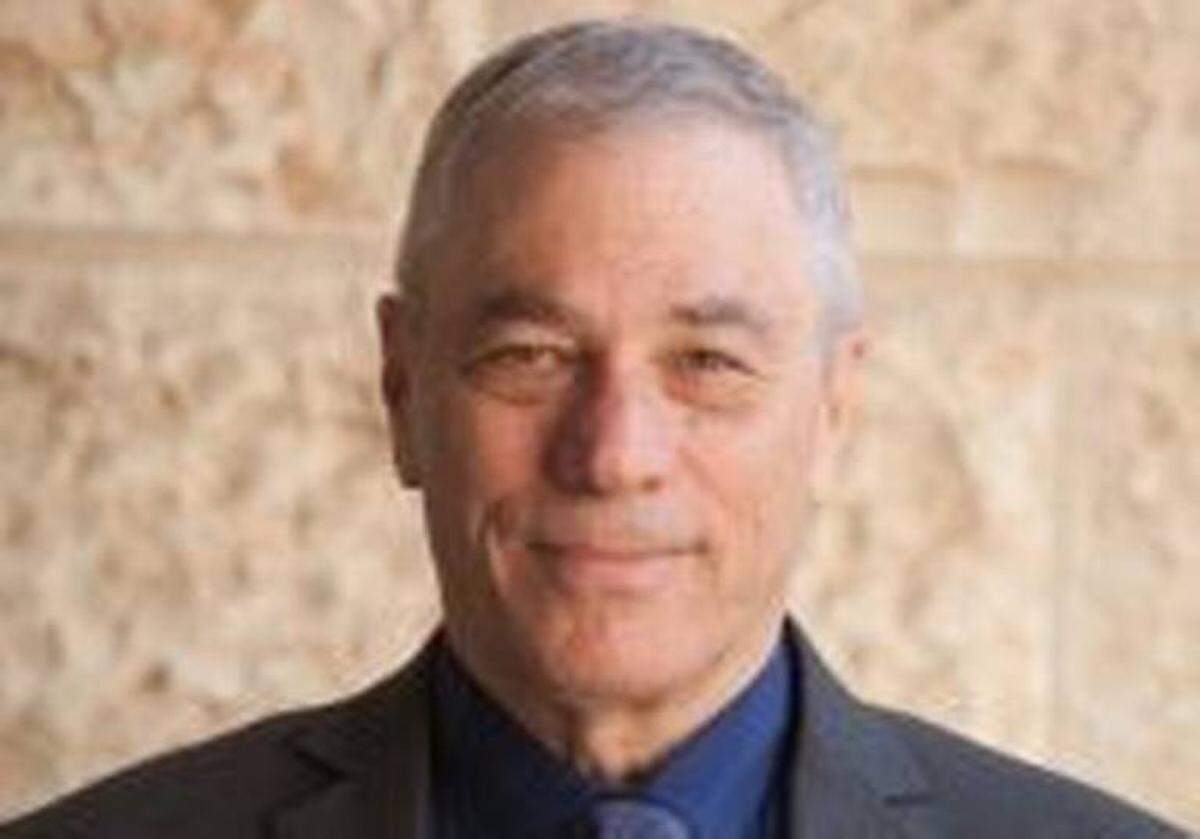
Uri Dromi was the spokesman of the Rabin and Peres governments, from 1992-1996.