‘Policing while Black’ can be a double-edged sword for officers | Guest Opinion
“Sometimes it is better to be blue, than to be Black,” a Black city of Miami officer cautioned me when I first began working in police oversight more than five years ago.
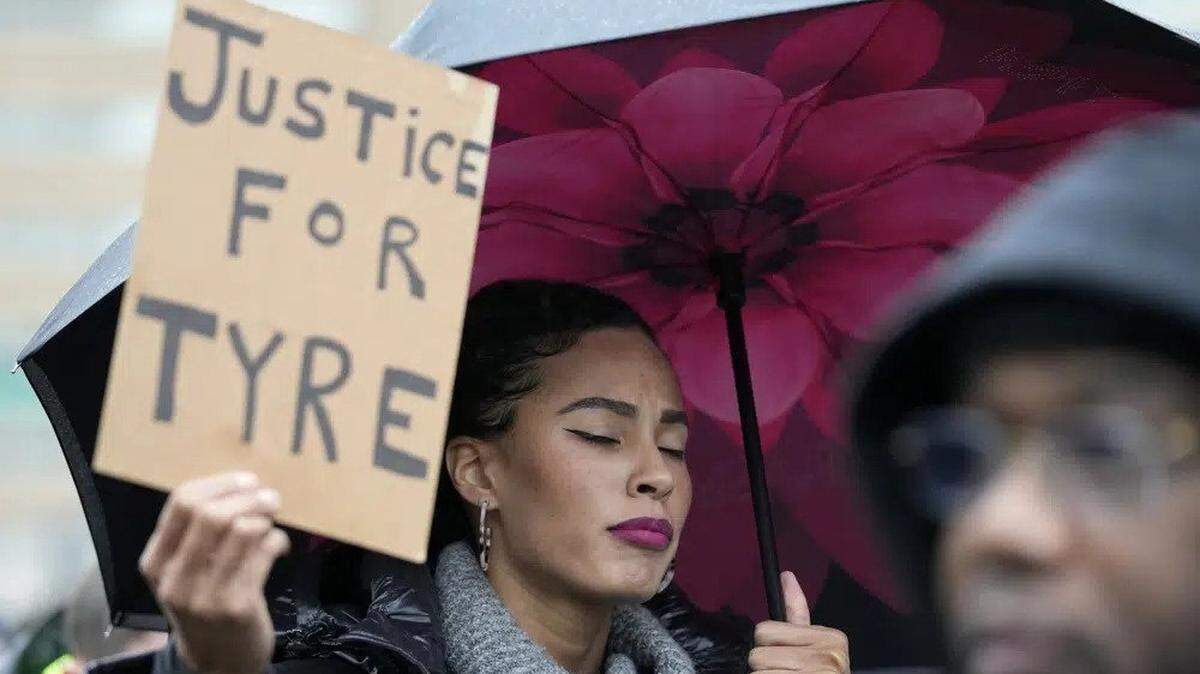
This statement, tragic and unfortunate, undergirds the killing of Tyre Nichols in Memphis: If you want to be successful in the police force, it says, your race should be secondary to the job.
Police culture — “Blue before Black,” plus the spoken and unspoken admonition “You run, you pay” — killed Nichols. That culture knows no race, gender or bounds. Negative police culture is insidious; it starts with the police chief and permeates throughout the rank and file, affecting every corner of a department.
The culture and communication that officers displayed on body-worn camera footage after Nichols’ beating was evident. Rarely does a culture so toxic remain shielded from public scrutiny. The community now has visual evidence of the destruction, mismanagement and defilement of dignity. As always, this horrific incident could have been prevented.
Often, I hear from members of Greater Miami’s Black communities that, to solve police violence, we need more officers who “look like us” or we need more officers who grew up “in our communities.” Studies and lived experience have shown that hiring more diverse officers and officers who have an address similar to ours does not solve the problem.
The case study for this divisive culture are the police departments in Chicago, Atlanta and Philadelphia, which have an overwhelming number of Black officers patrolling in Black communities. This dichotomy underscores the permeating idea that the Black body, no matter its oppressor, is unwelcome in public spaces.
It is not necessary to believe that the officers in Memphis set out that day to destroy a life. Their intentions are of no consequence. All we need to understand is that the officers carry with them the power of the state and the weight of an American policing legacy. And Black people will bear the brunt of both.
I and many others have been proponents of the police using less force in all circumstances, especially when the alleged crime is a minor traffic offense. In Nichols’ case, it was reckless driving, but in others — including some cases we have seen recently in Miami — the alleged infractions necessitating a stop range from illegal window tints to traffic-lane violations. These minor infractions have granted a license to those immersed in a culture of brutality to use excessive force.
Additionally, vehicle- and foot-pursuit policies should bar officers from engaging in this risky tactic unless there is a grave danger to the public.
You will surely hear police leadership opine about these officers’ deplorable actions. We have heard them talk of diversity, sensitivity training and body cameras. These are fine initiatives that have their place, but they understate the task and allow Americans to pretend that there is real distance between their own attitudes and those of the ones who protect them.
The truth is, police reflect America in all of its fear. That fear breeds, promotes and cultivates the pervasive culture behind the action that ended in Nichols’ death, and those of many others.
For Black officers, the perceived benefits of being “more blue than Black” eventually will fade — not because of their own growing consciousness, but, rather, because of a set of unfortunate circumstances that will make the Black officer now feel more “other” than “blue.” The Black officers in Memphis likely will find out what police culture will do in order to protect and defend itself, lessons their white counterparts, in similar circumstances, would not have to learn.
Through it all, however, I remain hopeful. My hope rests in the increasing and proactive implementation of civilian police oversight across the nation. However, these programs only work when members of the community actively engage in the process.
Civilian oversight is not the only answer to our policing issues, but it is a necessary vehicle for us to more quickly get to a solution of respectful and positive community police relations — and diminish the culture and actions that lead to the tragic outcomes like those we have seen in Memphis.
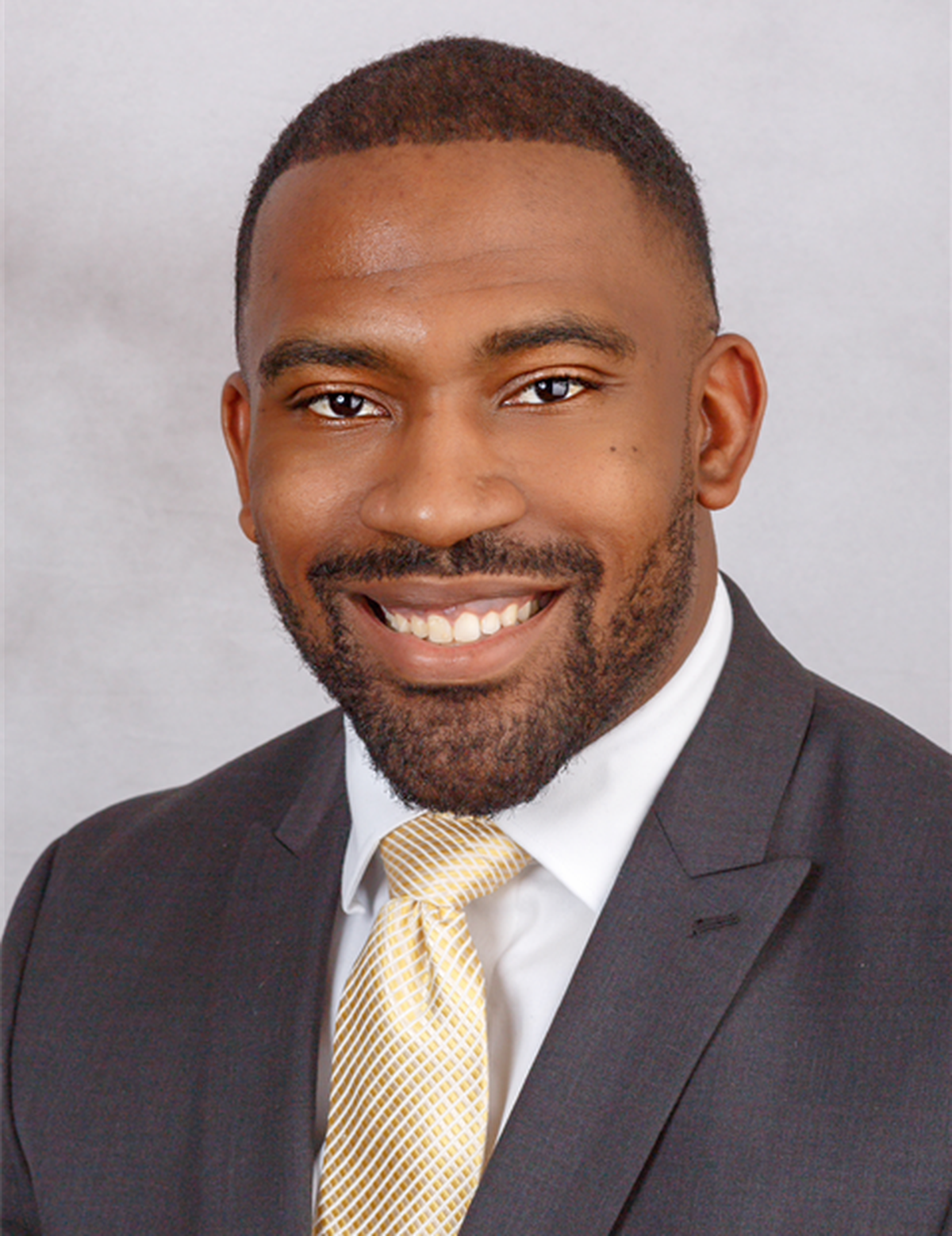
Rodney W. Jacobs Jr. is executive director of Miami’s Civilian Investigative Panel.