
Claudine Gay’s rise to Harvard president is ‘therapy’ for Haitian Americans | Guest Opinion
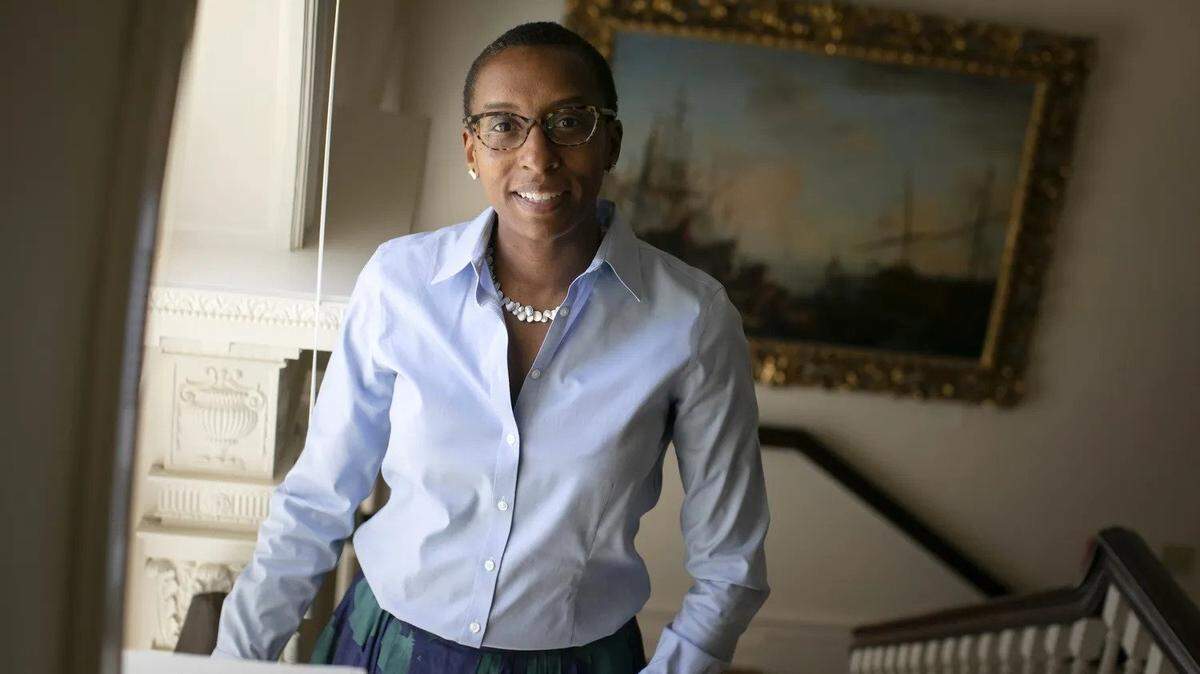
Claudine Gay, the daughter of Haitian immigrants, has been named the 30th president of Harvard University. She is the first Black woman — and only the second woman — to be selected president in the university’s nearly 400 years.
This historic moment is a testament to Harvard’s commitment to inclusivity and shows that diversity on college campuses should be applauded, not attacked.
Before Gay’s appointment, it was hard for Haitian immigrants to imagine a Haitian American leading Harvard. They have been severely maligned and mistreated in this country, leading many Haitian-American youth to conceal their identity in order to adjust to American society.
The memory of a Haitian classmate at Miami Edison Senior High committing suicide after his American girlfriend discovered his identity still haunts me today. There was no mental-health counseling for Haitian-American youth at that time, even though it was desperately needed.
Celebrating Gay’s appointment is therapy for many. Haitian Americans have been scarred historically by unequal treatment when they were merely seeking the same dreams as other immigrants. Their dreams of a better life in America have been deferred by years of racism within the immigration system in America.
Gay’s success is a matter of pride, and its news quickly traveled among their communities in the U.S., especially in South Florida. Haitian immigrants experience the highest rates of asylum denial in the United States.
My mother emphasized the importance of education when my family immigrated from Haiti. She was willing to sacrifice everything so her kids could get a quality education in America, including working long hours in a factory, underpaid and in tough conditions. Like Gay’s parents, she understood that education is a passport to the American Dream.
In discussing her appointment, Gay acknowledged sacrifices made by her parents: “They came to the U.S. with very little and put themselves through college while raising our family. They believe that education makes everything possible,” she told the Harvard Gazette. “Being an academic opened up my world and helped me achieve a dream I could never have imagined.”
In Haiti there is no upward mobility through education, especially in today’s chaotic political environment. I recalled my mother saying that if you were born poor in Haiti, you would die poor. Living in America changed the trajectory of Gay’s life. This is the beauty of America, where a person can achieve success despite economic circumstances.
People of all backgrounds should celebrate Gay’s appointment. The glass ceiling pervades academia just as in corporate America, where women are paid less for more work. Hopefully, the doors of Harvard and other institutions of higher education will continue to be opened for all Americans, including the children of immigrants.
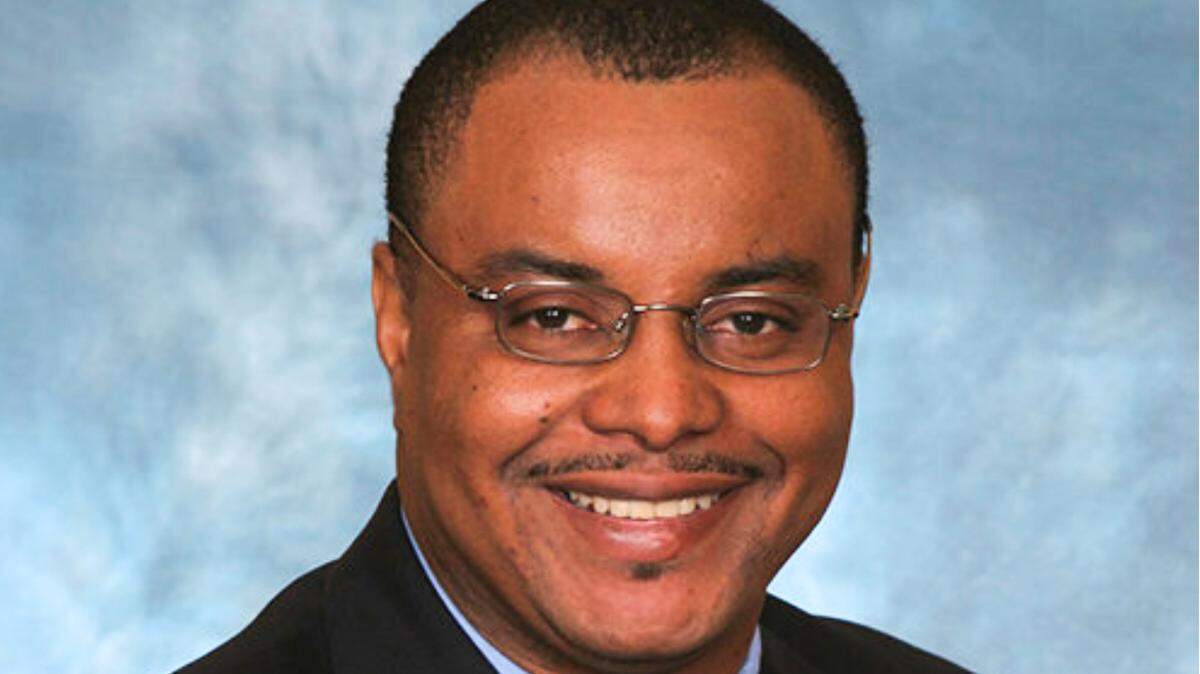
Hans Ottinot is managing partner of Ottinot Law, P.A. and former president of the Haitian Lawyers Association. He is a co-founder of Miami MoCAAD, a virtual art museum promoting contemporary art from artists of Africa and the African Diaspora.
This story was originally published January 10, 2023 at 5:05 PM.