Florida should create a statewide climate-action plan | Guest Opinion
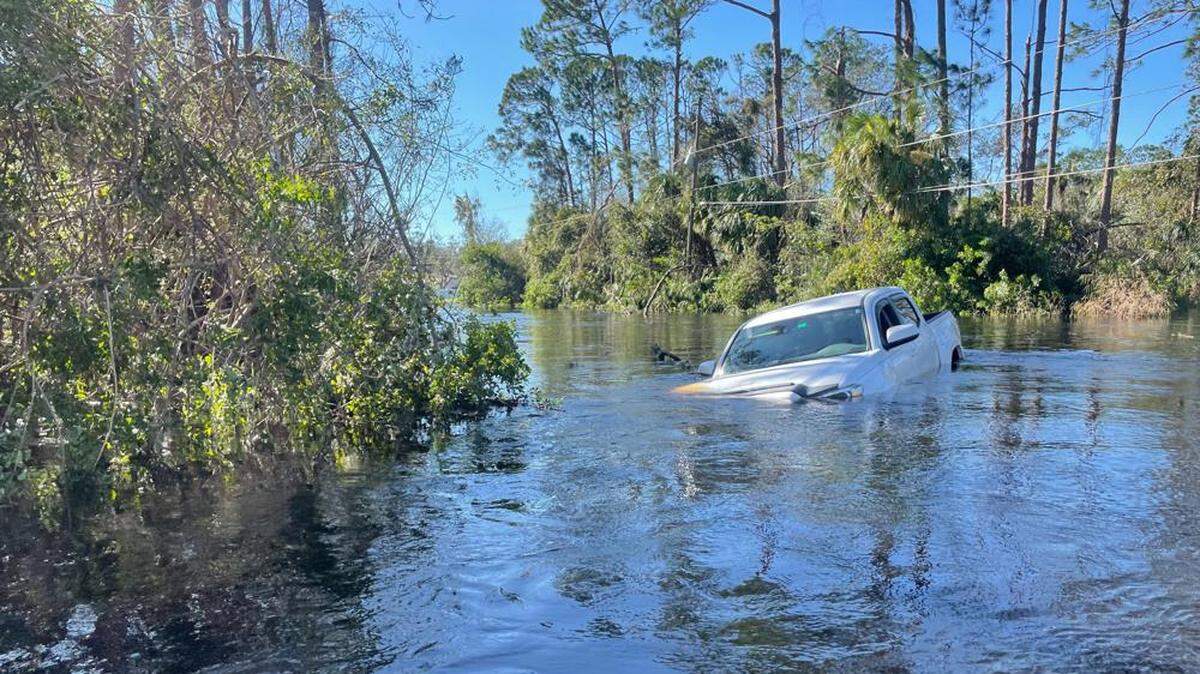
Monroe County is said to be Ground Zero for experiencing the impacts of global climate change and sea-level rise. Along this spectacular chain of islands that rise just above the sea, many neighborhood streets have seen increasing levels of tidal flooding and inundation with each passing year. It might even be a stretch to call us “Ground Zero” since we are losing that ground to the tides.
Florida’s long coastline and low-lying land make it particularly vulnerable to the damaging impacts of sea-level rise. Measured at the Key West gauge, sea level rose approximately 3.9 inches between 2000 to 2017 alone.
Every additional inch of sea-level rise will increase the economic risks Florida faces from flooding, which will continue to threaten more property, roads and other infrastructure. The ferocity of hurricanes Ian and Nicole last year is an ominous warning for what we may begin to regularly experience.
Higher air and water temperatures are projected to increase the severity of tropical storms, leading to higher storm surges, faster wind speeds and greater volumes of precipitation. The increase in damage to property, including flooded or demolished buildings, and disruption of evacuation routes can only send property insurance rates higher — when it can be obtained.
Because of wind and ocean circulation patterns, Florida historically has experienced higher rates of sea level rise than the global average. This trend is expected to continue, with estimates varying for different locations along the coast. By 2040, under the moderate scenario, median projections of sea-level rise at different points along Florida’s coastline range from 8–9 inches.
While lawmakers met in Tallahassee for the second time this year to address Florida’s property insurance crisis in a special session, it would gave been appropriate to consider developing a statewide plan to deal with one of the chief causes of property-insurance rate hikes: the warming climate dealing blow after blow to our coastal resources.
In Monroe County, as in some other Florida jurisdictions, we have developed an action plan to address rising sea levels and the underlying cause of climate change. The plan provides guidance for decision-makers as well as for county staff, residents and business owners to address everything from cutting greenhouse-gas emissions to establishing resilient construction standards.
Our plan is a blueprint for increased sustainability and resilience to climate change. Local governments in many places are taking this important step to plan for our future — so maybe it’s time we did the same as a state.
We applaud that under Gov. DeSantis, the state has appointed a chief resilience officer and the Legislature has created the Resilient Florida program to provide funding for local projects for adaptation and mitigation.
Now it’s time to take it one step further and create a statewide plan for climate action.
Holly Merrill Raschein is a Monroe County commissioner and a former member of the Florida House of Representatives.