U.S. failure to rein in guns, manufacturers fueling an international crisis | Guest Opinion
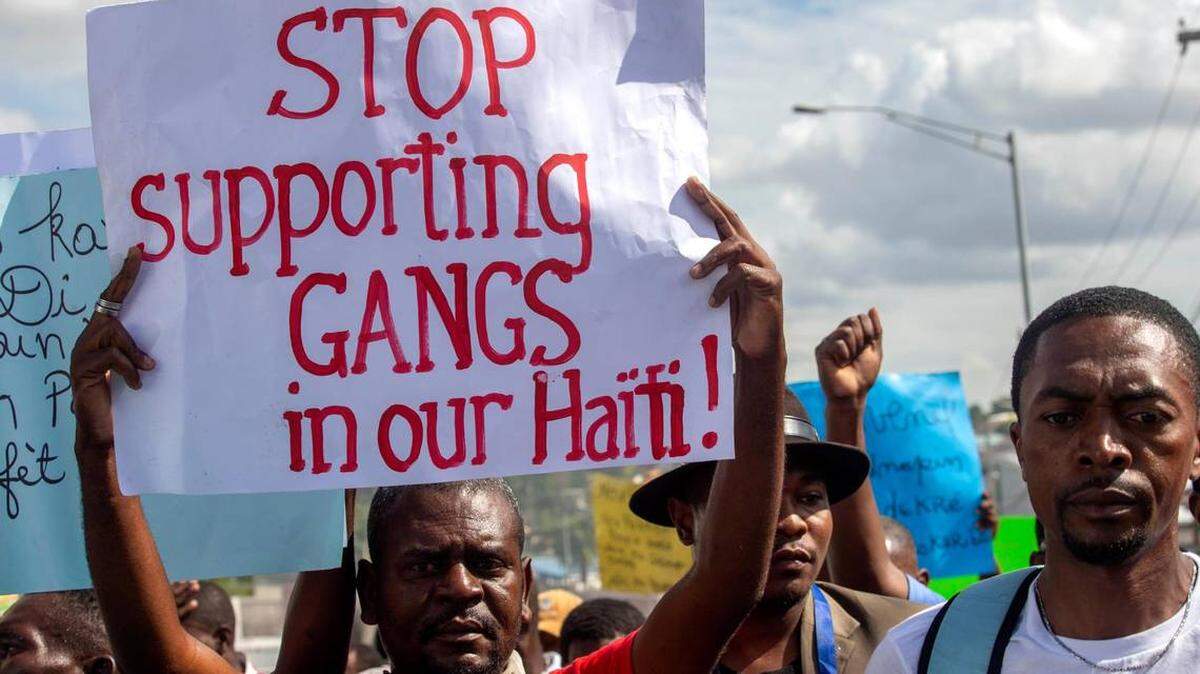
There is an exploding humanitarian disaster playing out 800 miles from the coast of Florida, with effects that are likely to wash onto United States shores and affect countries around the world. It’s disaster is largely a result of another international crisis: the refusal of the United States to rein in the gun industry.
In Haiti, armed gangs are in control of much of the capital city. Hundreds have been killed. Communities are terrorized. Waves of migrants are already taking the perilous sea voyage to the United States to flee for safety. Many within Haiti and the world have called for international action to quell the crisis. Other countries in the Caribbean fear that the chaos will spread, and U.S. taxpayers and peacekeepers could potentially bear the cost of security intervention.
There are several causes for the crisis, but none may be more significant than the reckless practices of the gun industry and weak gun policies of the United States. Gangs are able to exert their reign of terror because they are heavily armed with firearms that they get largely the world’s gun supermarket — the United States.
We’ve watched this happen. Alarm bells have sounded for years about the flood of guns pouring from gun shops in Florida and elsewhere in the United States into the hands of gangs in Haiti. In August, a U.S. official recognized the “marked uptick in the number of weapons [and] a serious increase in the caliber and type of firearms being illegally trafficked” to the island nation.
There’s a reason why criminals cross borders and oceans to buy guns here. Notoriously weak U.S. gun laws and enforcement enable under-regulated gun dealers to repeatedly sell traffickers multiple guns, including assault weapons, often in bulk or through straw sales that are obviously intended to be resold in the criminal market. At the same time, manufacturers and distributors are allowed to supply corrupt and reckless dealers without any oversight or reasonable sales standards.
The same industry practices that supply gangs in Haiti also arm criminals in the United States and are causing Jamaica’s homicide rate to spike to crisis levels.
While traffickers are sometimes prosecuted, the companies that supply and profit from the illegal gun market are almost never charged for their complicity in trafficking, and gun dealers’ licenses rarely are revoked, even when they are found to violate federal gun laws.
When Smith & Wesson entered into a settlement in 2000 that required it to only sell guns through responsible dealers and not allow multiple gun sales, it failed to follow through — yet suffered no consequences. A few years later, Congress gifted the industry with the Protection of Lawful Commerce in Arms Act, which shields gun companies from liability for negligent gun sales to the criminal market, providing further impunity for an already reckless industry.
Thanks to the irresponsible practices of the gun industry, the United States suffers from a gun homicide rate that is more than 20 times higher than comparable countries. We also pay a price for gun violence spreading abroad. U.S. guns arm drug cartels in Mexico, which enables the deadly fentanyl trade that kills so many here. Our international standing and relationships are also damaged when we refuse to stop the gun industry from supplying the thriving criminal market. And Haiti is unlikely to be the last crisis partly created by U.S. gun policies that will also harm taxpayers and national interests.
We must face the fact that our failure to rein in the gun industry has not only created a domestic public-health epidemic, but is also fueling a global pandemic that must be stopped.
Jonathan Lowy is president of Global Action Against Gun Violence. Luis G. Moreno served as deputy chief of mission and acting ambassador for the United States in Haiti and as U.S ambassador to Jamaica.