
At 16, I fled Haiti’s brutal American-backed regime. U.S. policy continues to fail my country | Guest Opinion
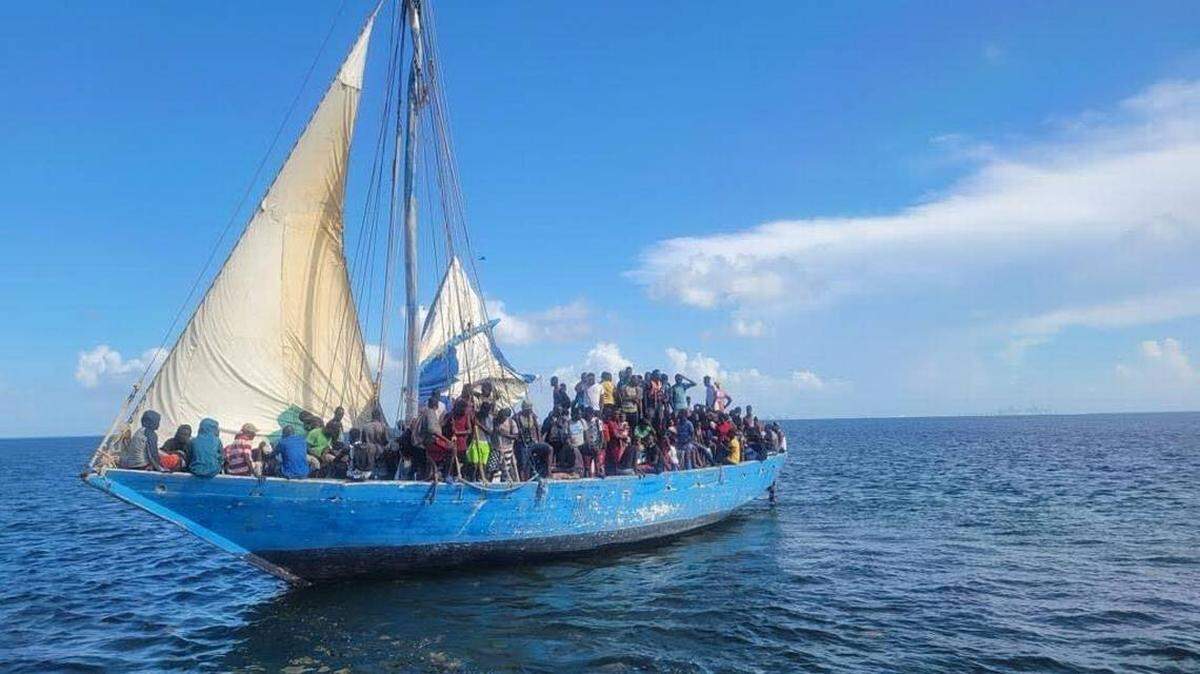
Fifty years ago, a leaky sailboat crowded with Haitian people drifted ashore in Florida launching waves of Haitian migration across the ocean.
I was only 15 years old then, living a comfortable life in Port-au-Prince. But, soon, three of my close friends were arrested and beaten for opposing the Duvalier dictatorship, and one came out with a broken leg. By age 16, I got on a Miami-bound boat.
In those days, the United States supported the Duvalier regime. Later, it supported other anti-democratic Haitian leaders — which fostered catastrophes in Haiti and produced new waves of migration to the United States.
Today, the United States continues to prop up an illegitimate Haitian leader, Ariel Henry. His government has failed. The justice system is not functioning; many hospitals and schools are closed. Gangs supported by officials regularly kidnap and kill.
In the last year, as Haiti has collapsed, the U.S. Coast Guard has interdicted about twice as many Haitians arriving by boat as in the past five years combined.
The United States has been expanding interdiction, deportation and temporary-status programs for Haitians. But if the government truly wants to reduce the number of desperate Haitians seeking refuge, U.S. officials must change their policy in Haiti.
Illogical Haitian policy
In 1973, my group’s arrival in the United States brought a message to the government: Your foreign policy is failing.
We had no idea of that at first. I had used my savings to buy supplies of bread and water and Haitian fudge candy to last the voyage. I packed a few T-shirts and pairs of underwear, and two pairs of good leather shoes — mine and my father’s — in case I had to walk long distances. I set aside enough money to pay for the bus to the launch site at Léogâne, just outside the capital.
“I’m leaving,” I told my parents. They didn’t believe me.
The motorless wooden sailboat had two levels, enough room for about 80 of us to squeeze in.
We had not yet heard the horror stories about boats capsized and children drowned; about people running out of food and dying of dehydration while drinking sea water; about boat operators extorting money from passengers and killing or starving those who refused to pay.
We stopped in Cuba for about a month while our boat underwent repairs.
The night we set out again, the winds were rough. Luckily, in the morning, the ocean calmed. We saw gulls on the horizon. As we approached, they looked bigger, and eventually, we realized they were boats. It turned out they were Cuban-American fishermen from Miami and they called the U.S. Coast Guard.
The Coast Guard officials called Washington to decide what to do with us. I found out later that there were no protocols then. A boat of Haitians would drift into U.S. waters and someone would call the State Department to ask what to do. In our case, they decided we could go to Miami.
We did not know there was already a policy against granting asylum to Haitians.
We were sent to jail in Immokalee. Haitian students detained with us said the United States had signed international conventions protecting the rights of refugees seeking asylum. We wondered if officials did not want to apply those policies to us because that would acknowledge that their ally, Duvalier, was just as contemptuous of human rights as the communist regimes America reviled. Our situation seemed to destroy the logic of U.S. foreign policy.
After nine months, I was released.
Later, when a massive influx of Haitians arrived in Florida in the late ‘70s and early ‘80s, I worked for Miami-Dade County at Krome detention center helping refugees, and with the Haitian Refugee Center.
People don’t leave home and sail the ocean on leaking, motorless boats when home is a place that sustains life.
Right now in Haiti, people are fighting to establish democracy. They have built consensus for a fresh, representative transition government that can break with the corrupt and criminal past. The United States has imposed sanctions on Haitian officials engaged with criminality and is intercepting arms smuggling. These measures are invaluable. They create space for Haitians to build.
Yet the United States must also stop propping up a Haitian leader so that Haitians may come together to build the structures of their own democracy.
After decades of bad U.S. policy in Haiti, it is time for U.S. officials to align their values with their foreign policy so that young Haitians have a chance I did not have — to live in safety under their own government.
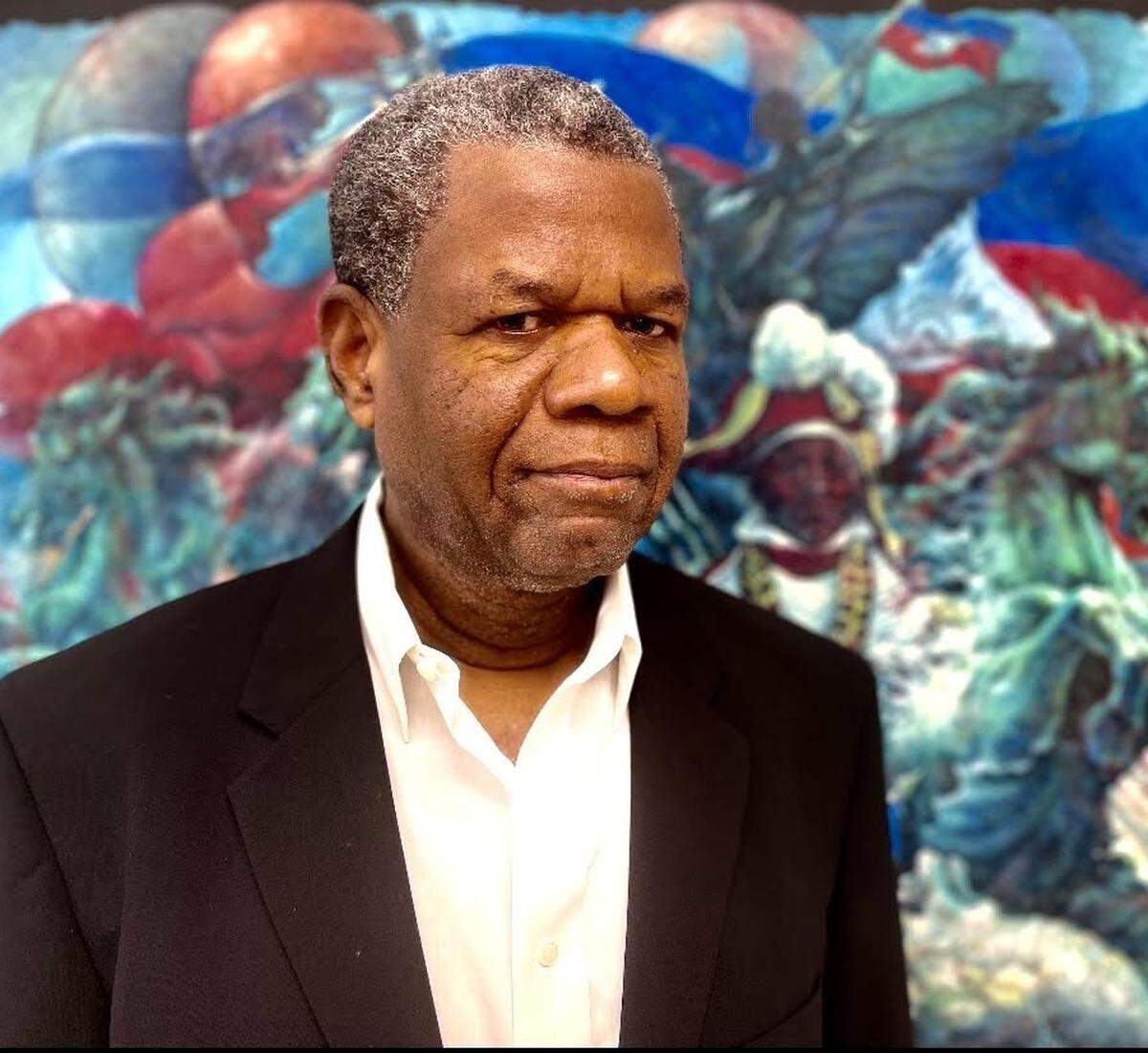
Abel Jean-Simon Zephir lives in Miami.
This story was originally published December 22, 2022 at 12:48 PM.