With LGBTQ+ community under assault, Urge Miami Festival is a safe space | Guest Opinion
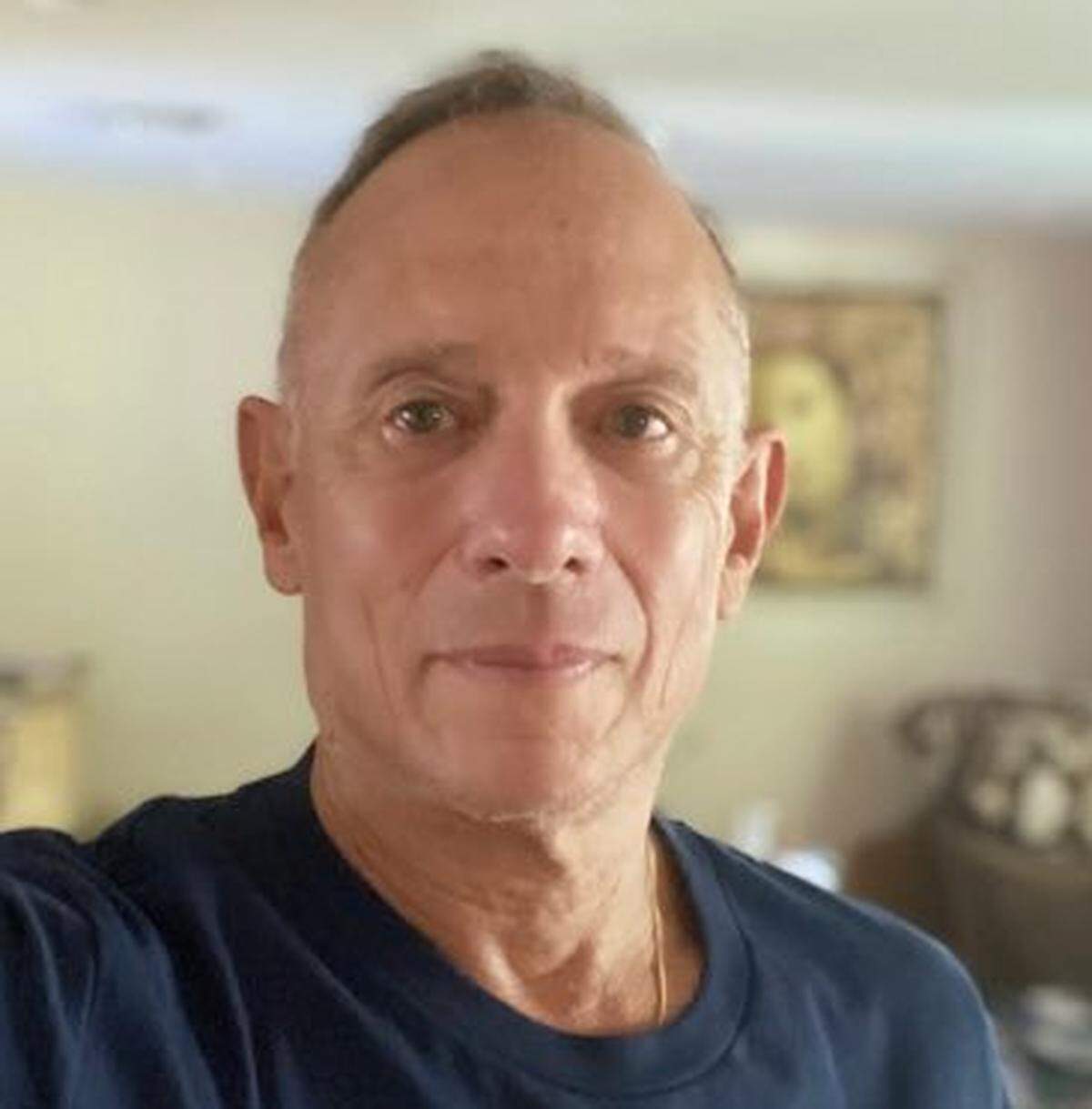
I moved to Miami 24 years ago because, though I remained happily married to my wife, I no longer identified as straight, We were drawn here because Miami seemed far less judgmental than most other parts of the country.
People welcomed us here and never made us feel that we had to explain our relationship.
I eventually became a co-owner of Salvation nightclub in Miami Beach. So began a long history of producing Thanksgiving events for the LGBTQ+ community, initially as part of the world-famous White Party Weekend and, more recently, with Circuit Festival Miami and this year’s Urge Thanksgiving Festival.
Things have changed in Florida in the past year, especially in terms of tolerance. Gov. DeSantis has introduced a number of anti-LGBTQ+ laws including banning doctors from providing transition-related care; restricting critical race theory, diversity and equality from being taught in school; banning of certain books; and, of course, the notorious “Don’t Say Gay” bill.
Although these laws are an attempt to stigmatize and marginalize LGBTQ+ people and others for political gain, they have produced a backlash. Laws to suppress often backfire and galvanize the oppressed. Now, more than ever, the gay community in Florida is standing up, saying “gay” and making the point loud and clear that we won’t be silenced.
We’ve seen this before, of course. During Miami’s gay nightlife scene in the 1930s, raids were a nightly event. This carried on until the end of the 1960s. Miami’s LGBTQ+ community eventually prevailed. The environment changed with the first Gay Pride Week celebrated in Miami Beach in 1972. There was a march on Lincoln Road with attendees protesting a city law banning cross-dressing. Two weeks later, the law was struck down by a federal court.
In August of that year, hundreds of gays and lesbians joined thousands of protesters at the Republican National Convention in Miami Beach. Establishments where gay people could congregate reached an all-time high, becoming even more popular than they are today with Miami Beach spots such as Club Benni on Alton Road, and Club Echo and Circus Bar on Ocean Drive, as well as the Mayflower Lounge and Basin Street.
In January 1977, a county ordinance passed banning discrimination against gays and lesbians. Anita Bryant led her infamous campaign against the anti-discrimination law, and it was repealed in June. By the 1980s, Miami Beach became known as a mecca for the country’s gay community, a place of tolerance and acceptance. It boosted the economic development of Miami throughout the 1980s and 1990s, with the latter now referred to as the Versace Era, characterized by extravagant parties, glamour and celebrities.
That is why for three days and nights, one of the world’s biggest gay events ignores the bigotry spouted by DeSantis and returns Miami Beach to its gay-mecca status. Urge Miami Thanksgiving Festival takes place at some of Miami’s hottest venues M2, the Royal Palm Pool and 12th Street Beach — and features an international DJ lineup.
For many LGBTQ+ party goers, some of whom fly in from around the world, this is an opportunity to spend the holiday with their chosen family in an environment of acceptance and belonging. This can be a life-saver for many who often feel misunderstood or unwelcome at their traditional family table.
The irony is, if DeSantis had opened one of the LGBTQ+ books he banned and studied gay history, he would realize that the gay community always prevails. We are here and we are not going anywhere.
Hilton Wolman is a Miami event producer.