This Election Day, be a voice at the ballot box for gun-violence survivors | Opinion
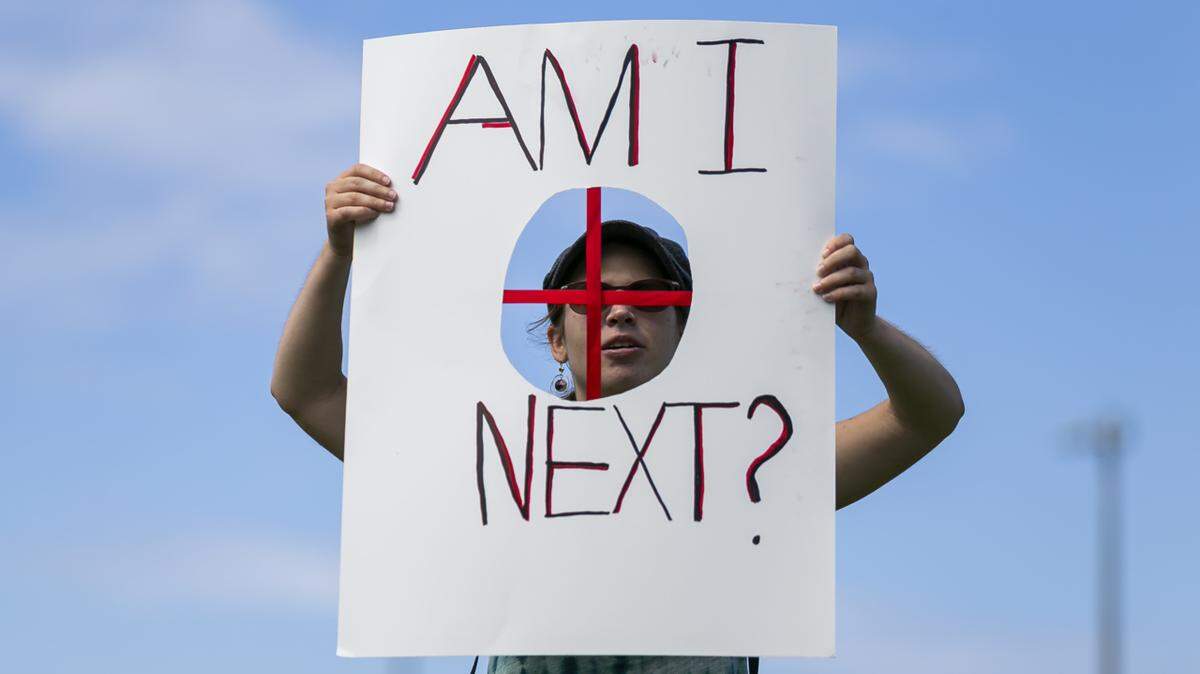
The story doesn’t stop when the cameras go away.
I’ve told this story countless times:
How I was 12 when I got stuck outside at the middle school adjacent to Marjory Stoneman Douglas High School in Parkland.
How I heard gunshots and screams and saw videos of kids dying on the classroom floors.
How the PTSD set in two days later.
After the news trucks leave, the final vigil is held and people shift focus to the next tragedy, communities like mine still grapple with never-ending pain. Two days after the shooting, I was sent back to school as if my classmates and I would somehow feel safe inside those walls.
I left two hours into the school day because a student falsely claimed he brought a gun to school, which caused my first hallucinations.
Each time I slept, nightmares would crawl into my head of going to a movie theater or my former elementary school. It would end with a shooter right behind me. I went days without sleep.
Every time I passed the courtyard where I stood during the shooting, flashbacks of shots firing and first responders zooming down the street would intrude upon my thoughts. I ended up switching schools.
None of this is normal. The ways I cope with the shooting at Douglas can be likened to those of a combat veteran — but I was only 12.
This is no longer a unique experience for kids my age. Shootings happen every single day that don’t get any media attention. This year, there have been 561 mass shootings — more than once per day. Gun violence doesn’t care who you are.
Opponents of gun-violence prevention tell me that their kids will be safe, or that they had a perfect childhood. The thing is, I grew up in an idyllic American dream. I would collect fireflies with my sister on the Fourth of July and we would watch them flicker in our cupped hands. I spent summers at camp in the Pocono mountains, zip lining and taking care of baby ducks. On Memorial Day weekend, my grandparents would visit and we would run around the backyard as hamburgers sizzled on the grill.
When I think back, though, I realize that even before the shooting, the ripple effect of gun violence pierced my perfect childhood. I was in kindergarten and had turned six just two days before the shooting at Sandy Hook Elementary. I remember my teachers crying and being confused as to why they were sad; they were supposed to be lighting the candles on my birthday cake.
I find it sad that Congress members have failed to pass any meaningful legislation preventing gun violence since the Bipartisan Safer Communities Act this past summer. As a survivor and the director of March For Our Lives Parkland, I’ve seen firsthand the toll that gun violence has on youth. Without evidence-backed policies like community violence intervention programs and an assault-weapons ban, this country will see more kids like me: broken, numb and thoroughly traumatized because of a preventable phenomenon.
Voters must use their collective power to vote out politicians who have failed my generation and elect those who are dedicated to ending gun violence. At 16, I have no say at the ballot box as to who represents me. If you’re eligible to vote, though, you do. Use your vote to speak for kids like me, for the kids that will become like me.
Vote like your life depends on it, because it does.
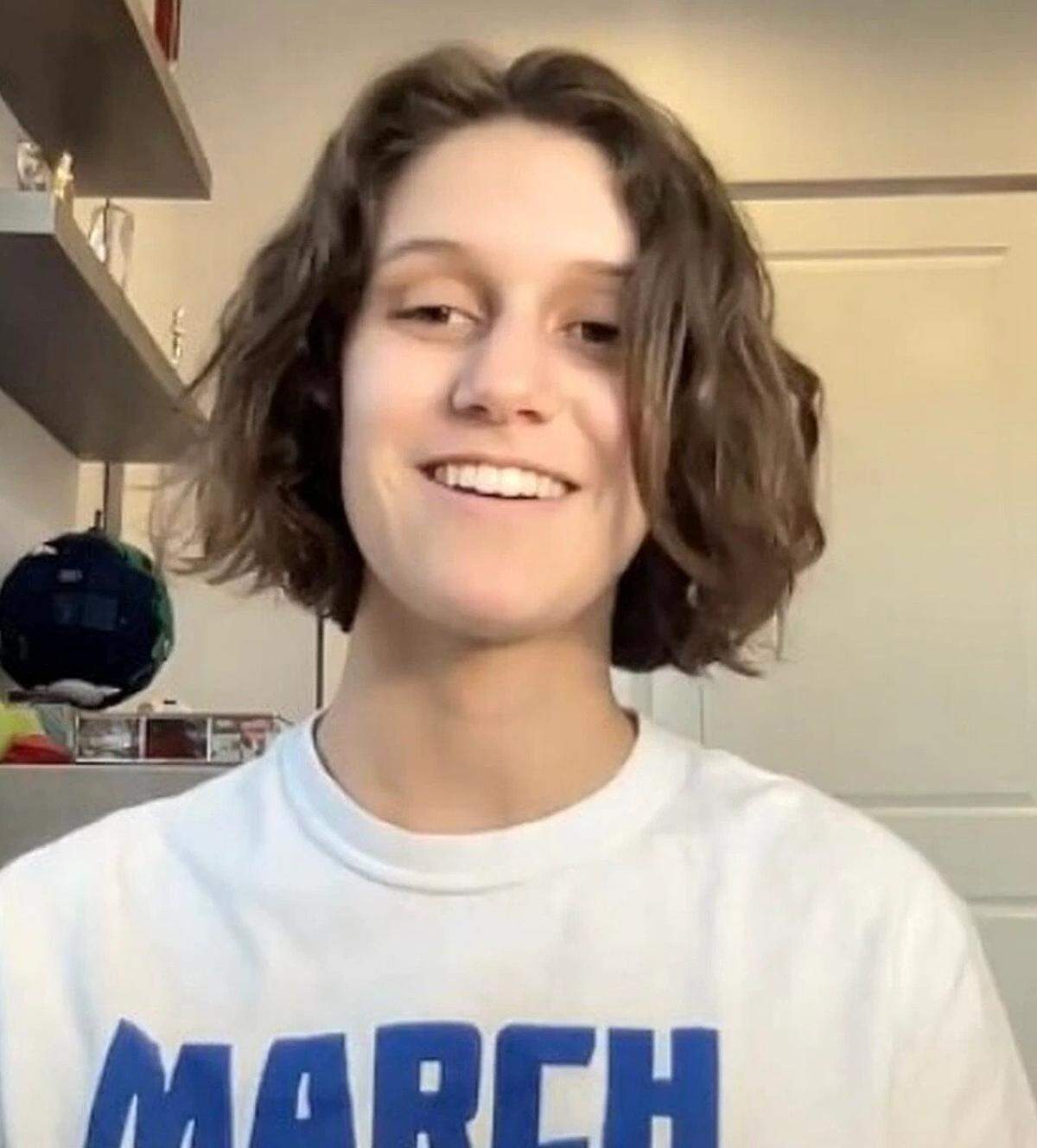
Zoe Weissman is a survivor of the 2018 Marjory Stoneman Douglas High School shooting and the director of March For Our Lives Parkland.