
Proposed South Dade tech district can be a model for resilience and provide jobs, too | Opinion
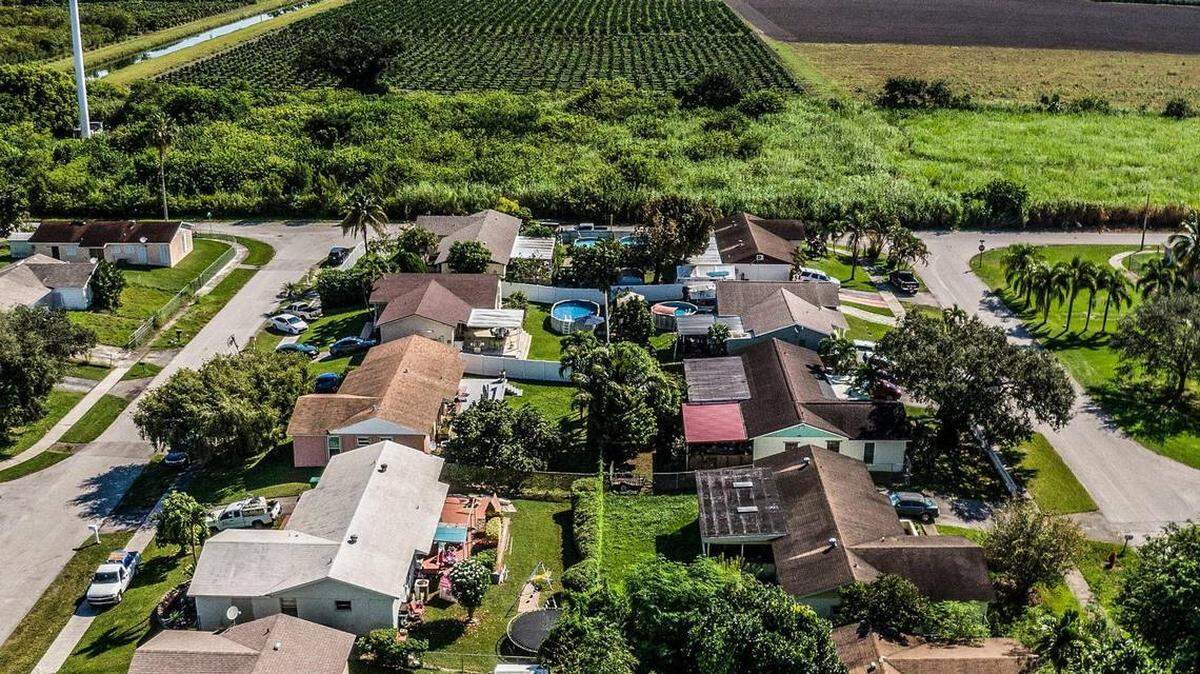
Contrary to Eve Samples’ Oct. 14 op-ed, “There are no good reasons for Miami-Dade to OK industrial complex in a flood zone. None,” Miami-Dade County commissioners should approve the South Dade Logistics and Technology District (SDLTD) project because it will be designed with resiliency criteria far above current state and county standards and it will address the need for economic development in the southernmost and fastest-growing community in the County.
The 378-acre SDLTD project will be built to withstand the effects of major hurricanes such as Ian and be better prepared for environmental impacts. Approval of this project would not weaken “growth rules to allow new construction in flood-prone coastal locations,” as the oped suggested.
The project is designed to account for two feet of sea-level rise, and the site will be elevated to remove the SDLTD site from the Coastal High Hazard Area and create a buffer for storm-surge impacts to residential areas. The site will be engineered to raise roadways and water-and-sewer infrastructure above current criteria, all paid for with private funds at no expense to the public. In fact, the SDLTD will set a new standard for future projects by improving resilience for extreme weather events and sea-level rise. This is not science fiction. A functioning example exists today with the Babcock Ranch development, located only 12 miles northeast of Fort Myers.
The SDLTD project, as designed, improves water quality and reduces the amount of untreated polluted water discharging into the canals, Biscayne Bay and Miami-Dade’s aquifer. The project exceeds state and federal efforts to restore Biscayne Bay and should be seen as a missing, integral component of the restoration of Biscayne Bay. The reason for this is that the most acute environmental and public-health risk revealed by Hurricane Ian is the risk associated with environmentally contaminated soils that thereafter seep into the groundwater and drain into the surface waters of the county.
A large percentage of the SDLTD project site contains soils contaminated with arsenic to levels that exceed residential Soil Cleanup Target Levels. Allowing contamination to remain in exposed soils that can be flushed during episodic hurricanes events or perpetually because of sea-level rise, increases the likelihood that toxic pollutants will be transported into our recreational and habitat waterways — as well as our drinking-water infrastructure and drinking-water sources. Accordingly, by capping the contaminated soils with more than four feet of clean fill and converting use of the land to a clean, resilient focused development will bring closure to uncontrolled disposal of toxins into our waters used for drinking, recreational and natural habitat and simultaneously provide for the environmentally engineered and controlled capping of contaminated soils during development. That would be the most effective remediation technique possible in the face of climate-driven extreme weather and risk of sea-level rise.
In addition, while the oped describes the land as “green space,” this is misleading because that is a term typically used to describe untouched open land, which this is not. In fact, the county has designated it as a priority for expansion of the Urban Development Boundary for industrial development when the need arises. There is no available land for this project within the southern tier of the UDB. The need has arisen.
The SDLTD project finally is addressing South Dade concerns by bringing a significant employment center to the area in a responsible and resilient way. Leaving the land in its current condition and allowing the existing use to continue will increase the loading of toxic chemicals into the soils, groundwater and surface waters of Miami-Dade County. That is the unsustainable — and irresponsible — way forward.
The evidence is clear. Miami-Dade commissioners should approve the SDLTD because South Dade residents deserve an employment center near their homes that will also improve resilience in the southern portion of our community.
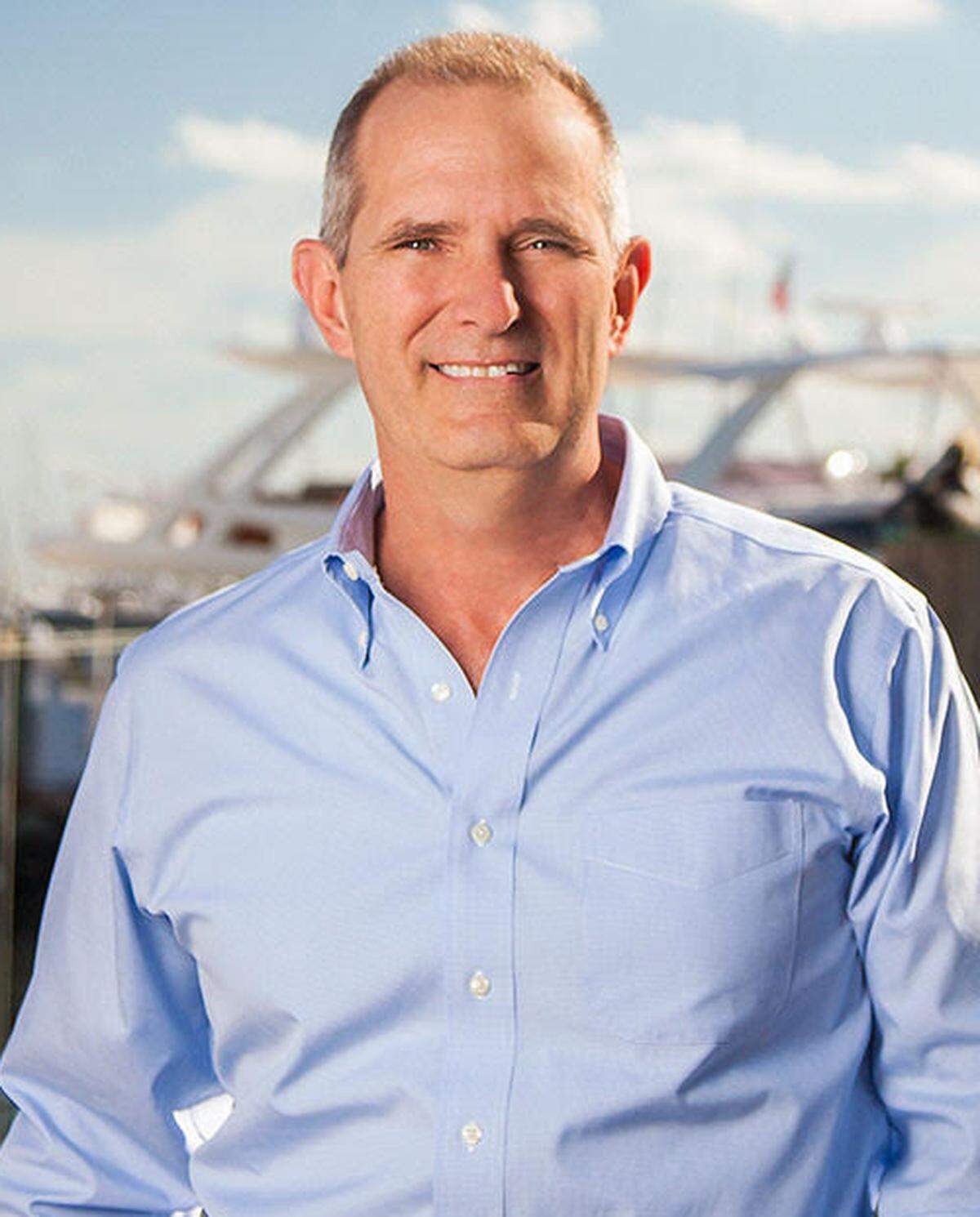
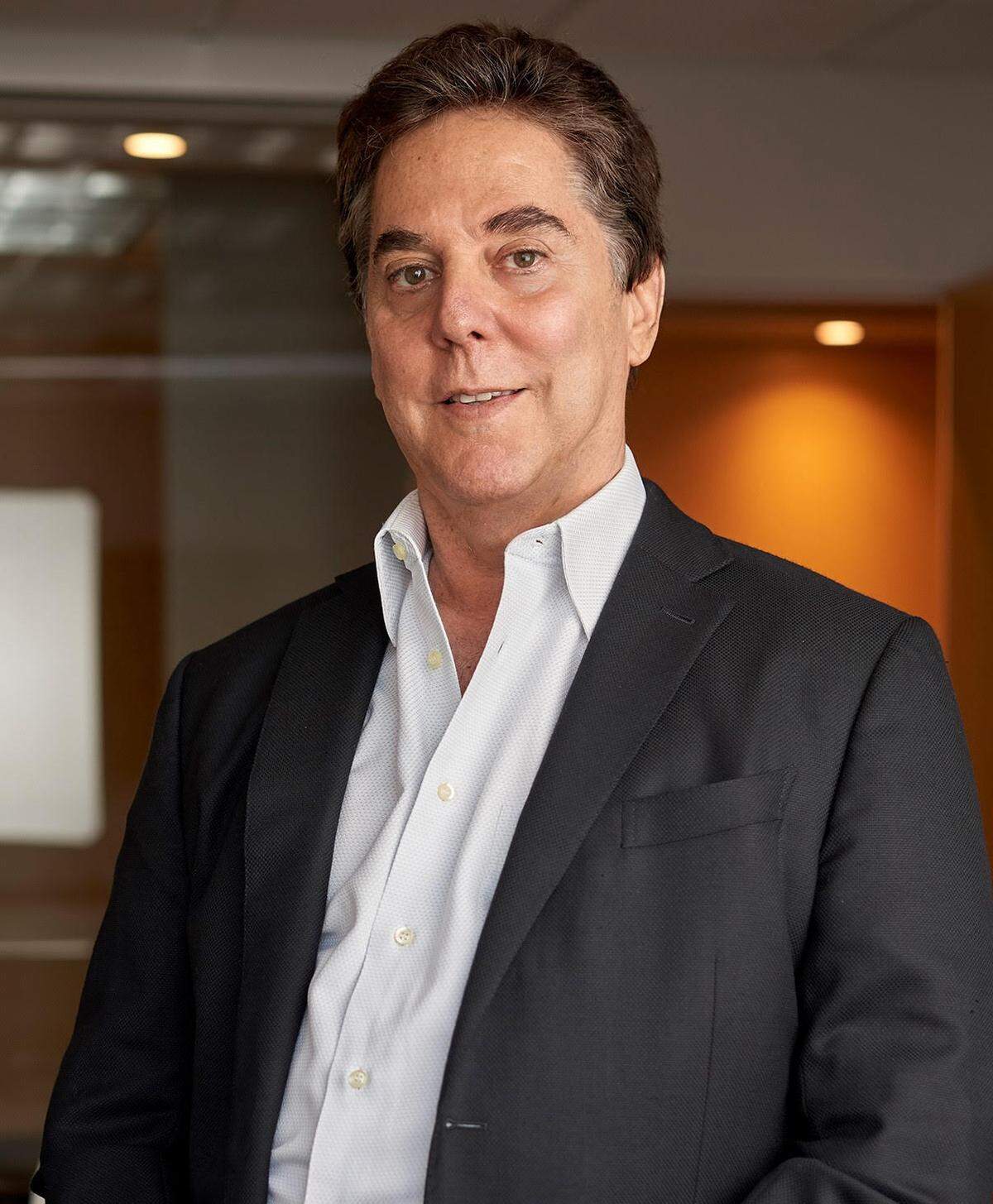
Jose Hevia is president of Aligned Real Estate Holdings. Stephen Blumenthal is a partner with Coral Rock Development. They are co-applicants for the South Dade Logistics and Technology District.
This story was originally published October 17, 2022 at 1:02 PM.