
Greater Miami’s environment is its economy. We’re making strides in protecting both | Opinion
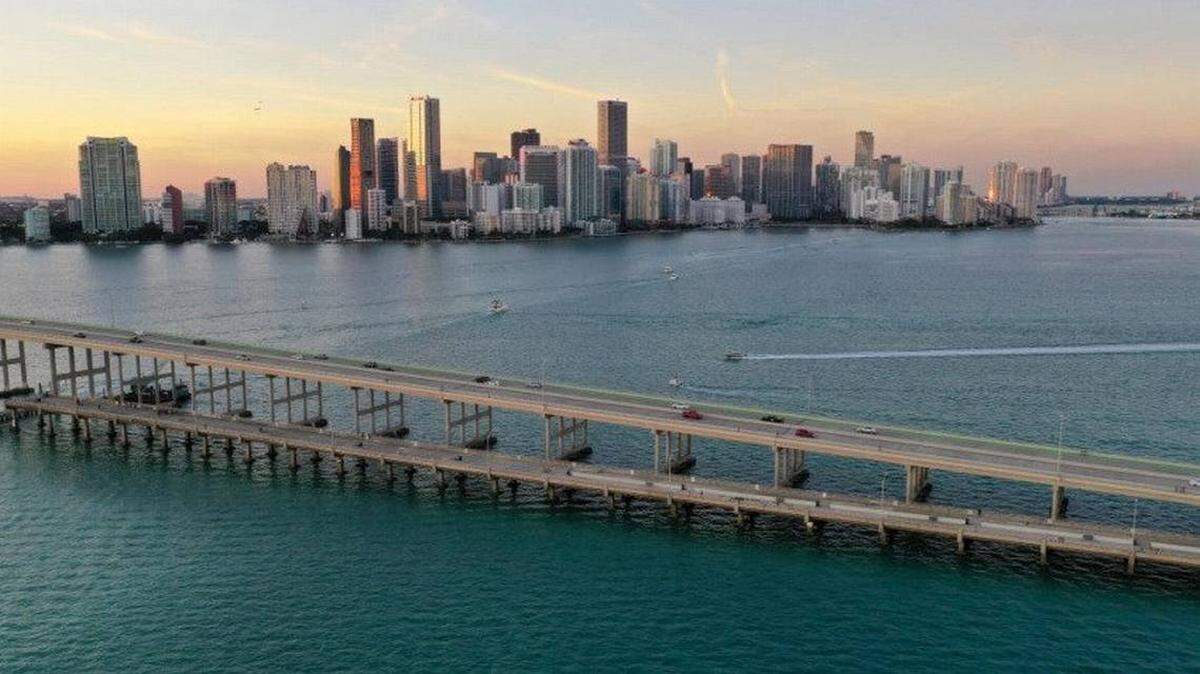
It is rare today for both political parties to declare a bipartisan victory. However, two weeks ago, Greater Miami achieved a true bipartisan breakthrough that promises to deliver results for our region and a credible policy path for our country: FEMA has decided to downgrade flood risks for the Greater Miami area.
This will trigger a long overdue correction to insurance premiums and validate the work done at the county and municipal levels and their leaders.
In the case of Miami and Miami Beach, this was especially critical since our exposure to storm damage, flooding and climatic events impact us immediately. While the academic debate continues over the direction of the climate, the practical work of reducing risk to our economy and protecting Floridians’ lives is a pressing issue, even more so following Hurricane Ian’s devastating impact on families, businesses and cities across our state.
The premise was simple and rooted in Florida’s history: We believe the environment is the economy, not an obstacle to the economy. From our River of Grass — the Everglades — to our beautiful beaches, our entire economy is built on the cleanliness of our water, the freshness of our air and the integral, natural beauty of our land.
By investing in environmental protections, we protect our economy by ensuring its amenities remain available and secure. By mitigating the risk of flooding through zoning and building-code reforms, we mitigate mounting financial risks of economic loss for homeowners, businesses and communities. Finally, by investing in next-generation, climate-adaptive infrastructure, we invest in the long-term viability and continued growth of Greater Miami’s economy.
In Miami, voters passed the Miami Forever bond, and it continues to implement the Miami Forever agenda, which will upgrade and expand a series of climate-adaptive capital projects that mitigate risks, address flooding and make structures water-resistant to superstorms in the same way Florida upgraded wind-resistant building codes following Hurricane Andrew.
Moreover, Miami has encouraged an “all of the above” strategy to ensuring that the city we build lasts forever and works for everyone. We passed a Carbon Neutrality Plan that makes it easier to rely on several sources of energy, from electric cars to solar panels. We’ve updated our Stormwater Master Plan that seeks to solve the risks of flooding and damage of water-based superstorms.
Taken together, these measures reduce flooding and storm-based risks for homeowners, renters and businesses. By reducing these risks, we make ourselves more attractive for capital investment and more competitive for new industries and lines of businesses; and with FEMA’s flooding-risk downgrade, insurance companies can now pass those savings back to our homeowners and businesses, saving money for all of us.
Miami Beach is a valuable, vibrant island surrounded by water and built on porous limestone. That’s why the city took ambitious actions when sunny-day flooding worsened years ago — and when scientific data from NOAA confirmed that South Florida will be impacted by sea level rise. These actions helped to improve our FEMA Community Rating System Score and have saved just Beach residents and businesses 25% — $8 million — a year in flood-insurance savings.
How did we do this? We adopted sea-level rise projections for planning purposes and acted quickly using them for our flood mitigation projects. We changed our planning and zoning codes to be even stronger than FEMA and state requirements. We directly invested more than $200 million in now-completed projects with robust stormwater systems, including 11 miles of elevated roads.
To protect our waterways, we upgraded the water-management system from gravity to pump — including removing litter and contaminants from the stormwater. And we’ve seen success with more than 100 avoided tidal flooding events. We have worked with experts to establish road elevations to mitigate against future flooding. Green infrastructure, including a resilient tree canopy is holistically integrated into these projects. We are halfway through planting $5 million in trees to shade and cool our city. We continue to prioritize mangroves and living shorelines in our parks. Our coastal dune system is seven miles of storm and sea-level rise protection and is now bordered by a scenic beach walk that is an amenity to residents and tourists.
Our communities are acting, learning and transitioning to a resilient future that protects and enhances our environment. By recognizing that the environment is our economy, and our economy relies on a clean environment, we have focused on smart, practical measures that reduce our risk of exposure to water-based storm damage and increase our ability to recover from its devastating impact.
For some, FEMA’s downgrade may appear to be a small victory. And yes, more work is required. But it is a true start, and a pragmatic path for reducing our financial and insurance risks, while delivering some relief and protection for those most impacted.
Francis Suarez is the mayor of the city of Miami. Dan Gelber is the mayor of Miami Beach.

This story was originally published October 10, 2022 at 12:00 PM.