
Gov. DeSantis dismisses the value of teacher training at Florida students’ peril | Opinion
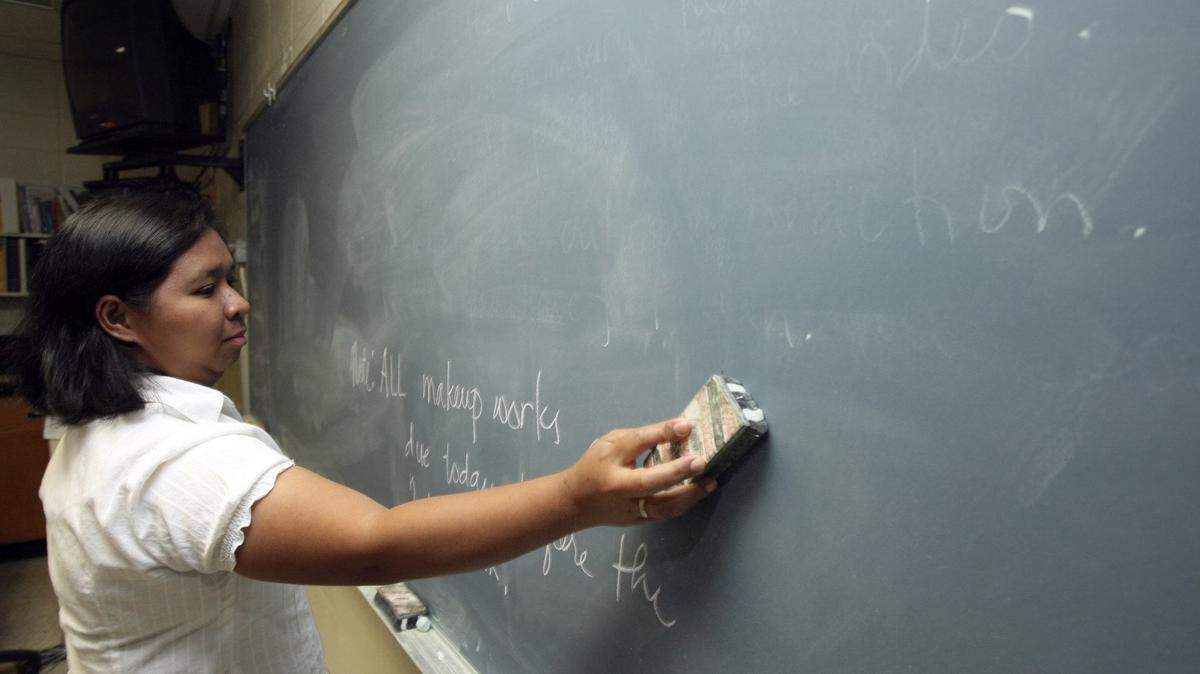
During his recent back-to-school press conference, Gov. Ron DeSantis addressed Florida’s teacher shortage, using the occasion to present his ambitious plan to recruit new teachers from nontraditional backgrounds: retired EMTs, military veterans, former firefighters and law-enforcement officers, to fill vacancies in his classrooms.
Florida, like much of the country, is experiencing a significant teacher shortage. According to the National Education Association, there is a shortage of 300,00 teachers nationally. Unfortunately, DeSantis’ attacks on teachers and “woke” education exacerbate the problem in Florida.
Rather than offering a coherent plan, the governor said he’s “underwhelmed” by educators who receive advanced degrees from education programs. Under his plan, to qualify for a teaching certificate, applicants must meet a different set of criteria. In addition to previous civil-service experience and passing a background check, potential teachers must hold a number of college credits (about half a bachelor degree’s worth), meet a minimum GPA of 2.5 and pass a subject-area competency exam.
Aside from the fact that DeSantis doesn’t think that teachers should be required to have a college degree, it was surprising that he made no mention of providing significant training to new recruits.
As parents learned during the pandemic, teaching requires highly specialized skills, particularly in foundational subject areas like literacy and math. Decades of influential research indicates that teaching children of any age also requires a wide range of excellent pedagogical and soft skills — for example, patience, organization, communication and compassion — especially when catering to a diverse group of students with different learning styles, linguistic needs and backgrounds. As any substitute teacher will tell you, these abilities can’t be picked up on the fly.
Research also shows that teaching is the most influential school-based factor in determining student achievement. For this reason, even if new recruits are attracted to take teaching jobs, without proper training and support, they are unlikely to be effective. This will be true especially for those who take jobs in the state’s most disadvantaged schools where the teacher shortage is greatest and where poverty complicates kids’ learning needs.
DeSantis takes pride in the fact that schools were open in Florida for more time than in most states during the pandemic, but, so far, he has no plan for addressing the disparities in learning outcomes across the state, which remain significant.
Addressing the challenges facing Florida’s schools will require bigger-picture strategies that go beyond DeSantis’ national campaign against “wokeness.” Many teachers object to his meddling with what can be taught or said in the classroom. Rather than receive scrutiny, teachers should be given more autonomy to teach to their strengths.
Moreover, given his Ivy League pedigree, DeSantis’ low regard for the qualifications needed to teach suggests that his plan is more about politics than education. Certainly, he wouldn’t expect a teacher to run into a burning building without appropriate fire-safety training. And his endorsement of allowing teachers to carry a gun to protect students from armed assailants is about as sound as his plan to recruit untrained firefighters to teach.
If DeSantis were as serious about addressing the teacher shortage and improving education as he is about his presidential aspirations, he should devise a plan to raise salaries and fairly compensate teachers for their vital work. Florida ranks 48th out of all states for teacher salary. Young people who make long-term commitments to go into teaching could be rewarded with student-loan forgiveness options for their work. Additionally, the governor might also devise a plan to offer incentives to retired Florida educators to return to classrooms directly or to train and support novice teachers.
Parents must insist that their children are taught by trained professionals who both address children’s learning needs and keep them safe. Our children deserve better, and the state of Florida needs more solutions than the governor is offering.
Dr. Anindya Kundu is an assistant professor of educational leadership at Florida International University. Dr. Pedro Noguera is the dean of the Rossier School of Education at the University of Southern California.
This story was originally published August 31, 2022 at 3:52 PM.