
Florida leaders’ demonization of LGBTQ+ community is especially harmful to youth | Opinion

Language is not only how we communicate with others, but also how we create our own narrative and internalized experiences. Undoubtedly, our vernacular forms our cognitive connections, solidifies meaning, and impacts those around us. Youth are particularly vulnerable to the words woven into our society, as their brains are undergoing critical developmental changes.
Miami-Dade County students recently returned to the classroom, where they face newly enforced laws silencing and erasing gender, sexual and racial minorities.
Just over the past year in Florida, political figures have vehemently berated racial, ethnic, and sexual and gender minorities — particularly children and adolescents — with lethal rhetoric and erroneous claims. They have warned some parents to shield children from “woke ideology,” and yet, per Merriam Webster, “woke” is defined as being “aware of and actively attentive to important facts and issues, especially issues of racial and social justice.”
Therefore, being woke relates to social and emotional aptitude, such as perspective taking, emotional and social awareness, and empathy. Unsurprisingly, extensive research indicates that social-emotional competencies are associated with greater youth well-being and better school performance, while the lack of such competencies can lead to academic and social difficulties.
Months ago, Gov. Ron DeSantis’ then-press secretary demonized the LGBTQ+ community with accusations of pedophilia and grooming — outrageous statements that damage already marginalized people. In recent weeks, a school board candidate from the Pensacola area said that doctors who treat transgender youth “should be hanging from the nearest tree,” asserting that such providers are “mutilating” children.
These statements not only lack scientific evidence or basis, they are hazardous and discriminatory, perpetuating trauma and potential physical harm among LGBTQ+ people, particularly youth. Just-released data from The Trevor Project found that LGBTQ+ youth who reported high levels of trauma symptoms had more than three times greater odds of attempting suicide in the past year.
Similarly, it is well established that transgender and non-binary youth experience suicidal ideation, depression, and anxiety at significantly higher rates than their cisgender peers. Gender-affirming care, grounded in evidence-based medical and psychological guidelines, assists people in exploring and defining their gender identity without judgment or shame. The majority of minors receive reversible interventions, such as social transition and pubertal suppression. Social interventions — use of a chosen name, for instance — have been associated with reduced depressive symptoms, fewer thoughts of suicide and a decrease in suicidal behavior among transgender teens.
Florida lawmakers not only are perpetuating false information about gender and sexual minorities, and gender-affirming care, their claims send an appalling message to youth that identifying as LGBTQ+ is shameful and wrong. Diversity among gender identity and sexual orientation is normal and healthy. It requires recognition and discussion.
The 2019 National School Climate Survey suggests supportive and inclusive school personnel, policies and resources positively affect LGBTQ+ youth experiences. Resources available include:
▪ The Trevor Project, 866-488-7386, text “Start” to 978678
▪ LGBT National Youth Talk Line, 800-246-7743
▪ Pridelines, 305 571-9601, pridelines.org
▪ Equality Florida, 813-870-3735, eqfl.org
▪ Safe Schools South Florida, 305-582-0710, safeschoolssouthflorida.org,
▪ Sunserve, 954-764-5150, sunserve.org
▪ It Gets Better, itgetsbetter.org
Silencing members of the LGBTQ+ community, spewing hateful rhetoric and spreading misinformation regarding medical and psychological guidelines by the American Medical Association and American Psychological Association will continue to induce trauma in our youth and, possibly, spark violence in our schools and communities.
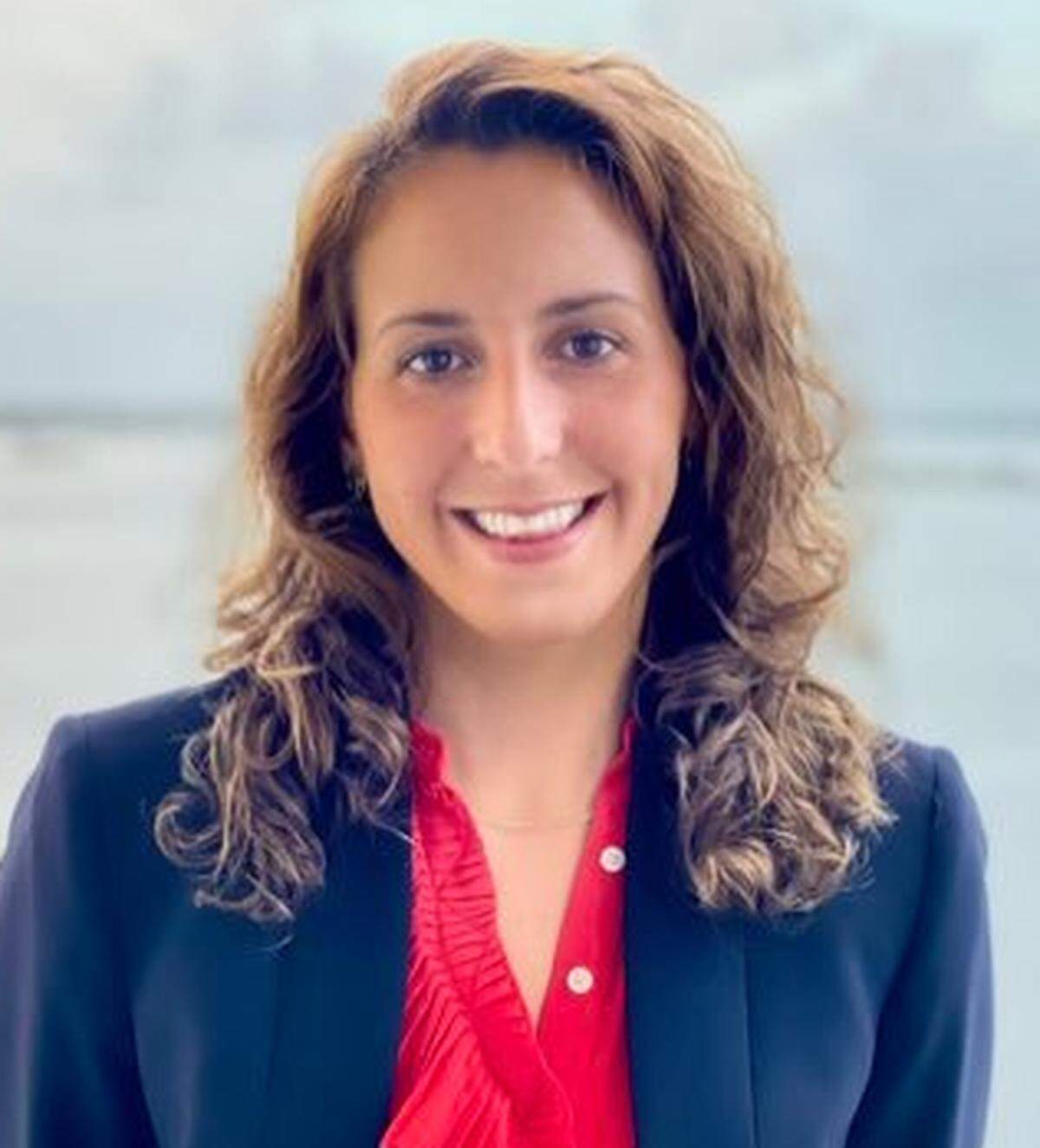
Natasha L. Poulopoulos, Ph.D., is a pediatric psychologist in Miami. She is a member of the Society of Pediatric Psychology and has co-authored several peer-reviewed publications and presentations.
This story was originally published August 22, 2022 at 6:44 PM.