
Let’s continue Al Crespo’s commitment to rooting out corruption in Miami government | Opinion
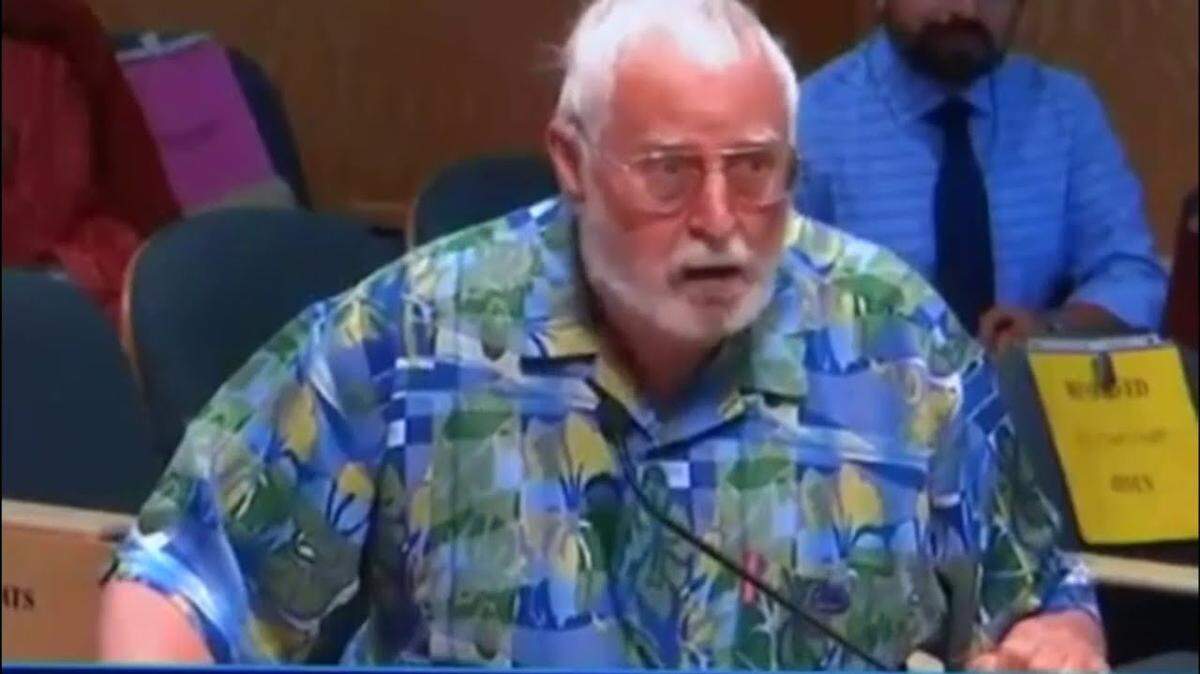
“Every hero needs a villain,” and lots of villains past and present in Miami government will rest easier now that Al Crespo’s unique voice has been silenced by his death at the age of 80. And Crespo himself filled those 80 years living a life too outlandish for even a Carl Hiaasen novel.
Born in Havana in 1941, Crespo spent much of his early adulthood in prison, serving 20 years for robbing banks.
Upon returning to Miami in 1984, Crespo flourished working in the South Florida film industry for 30 years.
Crespo produced an important book in 2002, “Protest In The Land of Plenty: A View of Democracy From the Streets of America.” The book covers 40 protests that Crespo documented throughout the United States from 1997 to 2001. He describes how the experience inspired him:
“I was moved by the humanity, sincerity and basic decency of average Americans, who, often facing ridicule, indifference and, on occasion, the threat of violence or arrest, accepted those challenges in order to stand up against injustice and the abuse of power.”
Crespo confronted injustice personally, including successfully suing the Los Angeles Police Department after being shot in the head by rubber bullets while covering the 2000 Democratic Convention. The LAPD, as part of the settlement, agreed to recognize journalists’ right to cover public protests, even if there is a declaration of unlawful assembly and an order to disperse.
In 2010, Crespo began his next chapter with Crespogram, which provided unique insight into city of Miami politics. Crespo called out the Miami City Commission as “nothing more than a criminal enterprise,” and embraced his own criminal past as a bank robber as insight into the psychological bases for the dysfunction at Dinner Key. Politicians who made the mistake of defending themselves by pointing out Crespo’s criminal past were told “Yes, that’s true, but unlike you, I wore a mask.”
Crespo was a felon who relished the restoration of his voting rights and he was not shy about calling out residents for voting for corrupt politicians: “We get the government we deserve and we deserve the government we get,” he always reminded his readers.
Crespo’s legacy is showing us that corruption is not inevitable. If residents who remain silent instead demand better, more transparent, and cleaner government, we can leave behind the ugliness and begin writing a new chapter to improve the situation at City Hall and throughout Miami.
Let’s celebrate Crespo by doing the hard work necessary to stop tolerating self-interest and unscrupulousness and demand cleaner, better government.
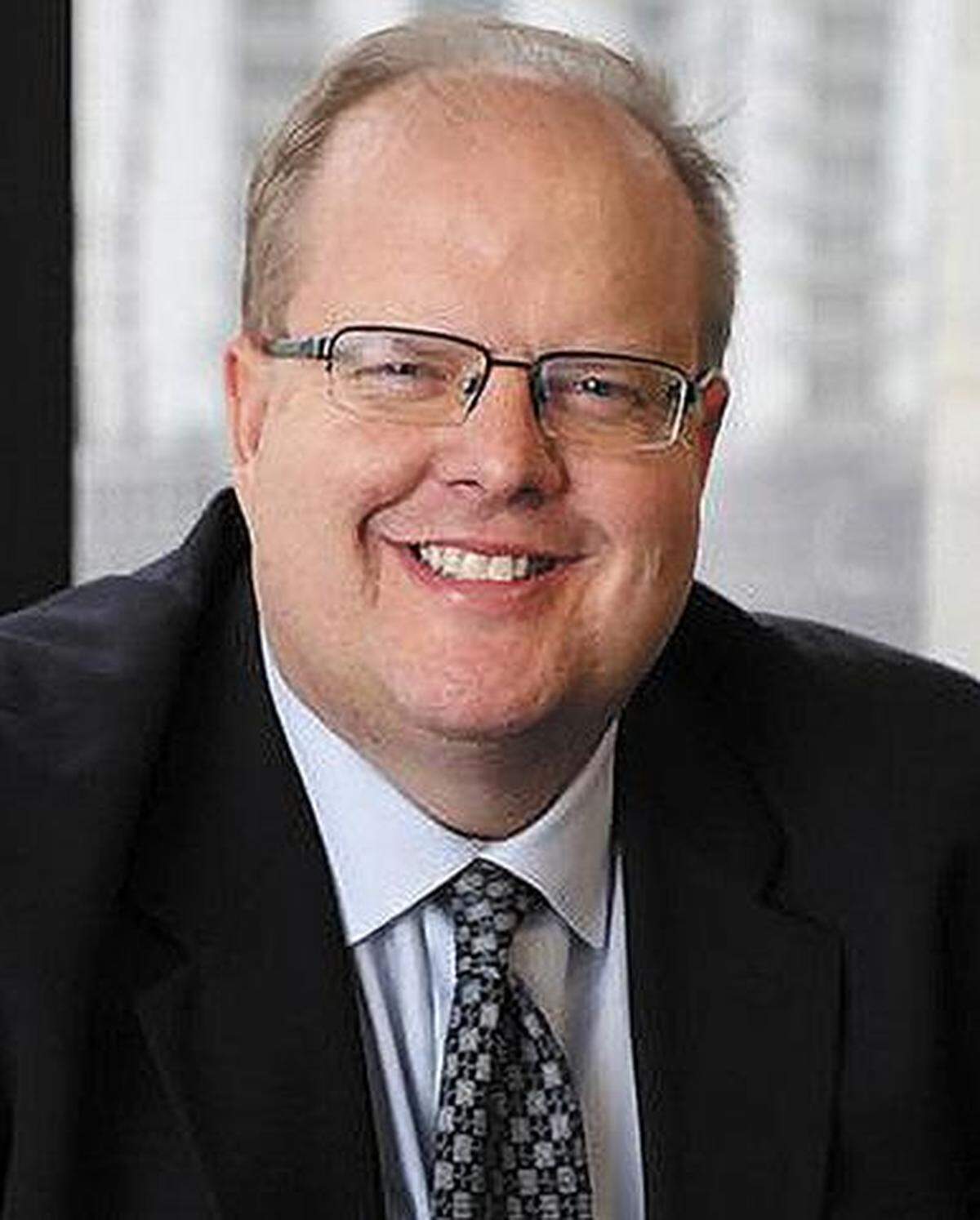
David Winker is a Miami resident active in civic matters.
This story was originally published August 22, 2022 at 4:30 PM.