
Counter-terrorism programs to fight white supremacy will only bolster it, instead | Opinion
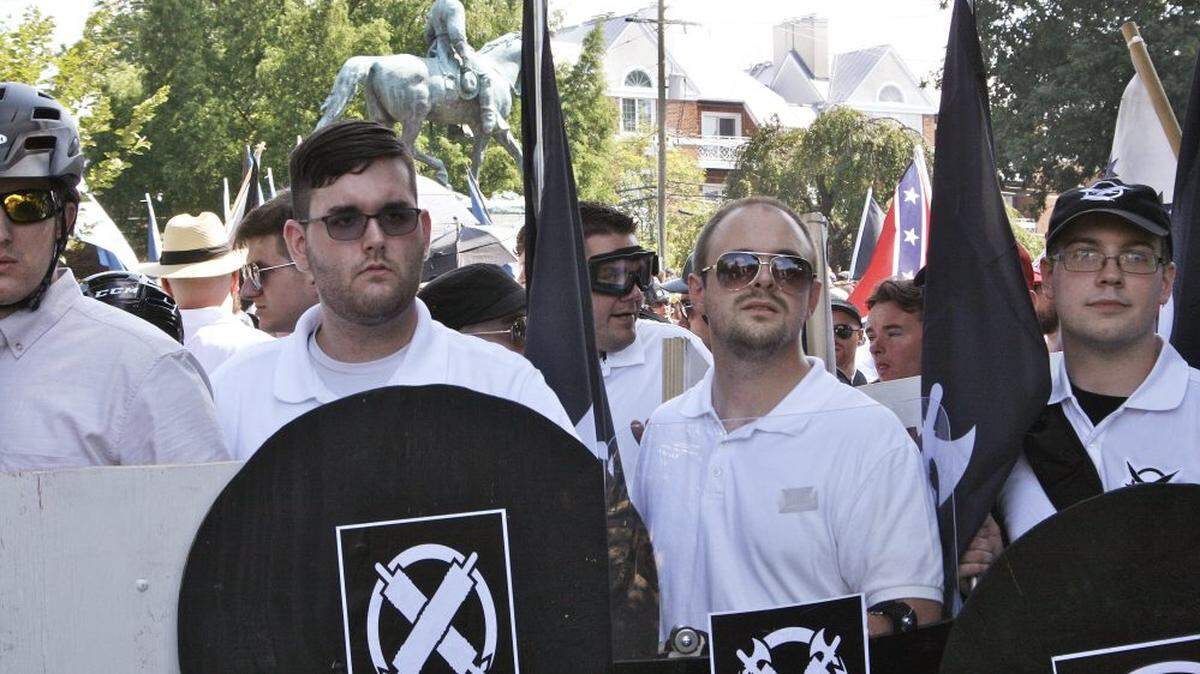
After the Jan. 6 insurrection, a CBS News analysis found that at least 81 of the more than 700 individuals charged in relation to the attack were current and former members of the armed services.
In response, Secretary of Defense Lloyd Austin committed to addressing extremism within military ranks. But the Biden administration’s approach, which draws on a long and fraught U.S. history of targeted surveillance in the name of protecting national security, only risks traumatizing the same communities it claims to be keeping safe.
Upon taking office, President Biden backtracked on campaign promises to end the Trump administration’s Targeted Violence and Terrorism Prevention Program. Instead, the program became the Center for Prevention Programs and Partnerships (CP3), part of federal efforts to “comprehensively combat domestic violent extremism, including white supremacy.”
Civil-rights advocates were immediately wary of CP3, citing previous counter-extremism programming’s surveillance of primarily Black and Muslim communities. The federal government has already tried to rebrand counter-extremism as the antidote to white-supremacist activity. Its efforts largely focused on funding the nonprofit Life After Hate, which claims to help people leave white-supremacist groups.
In 2016, the group applied for a DHS grant with plans to expand its work to target “jihadism.” In January, Homeland Security Secretary Alejandro Mayorkas told NPR he was “very cognizant of the trust deficit” related to counter-extremism and, “That is precisely why we created CP3.”
However, the program was created to combat so-called domestic violent extremism. Historically, this nebulous category has been used to clamp down on social movements. Federal agencies such as DHS and the FBI have a long history of targeting racial justice and pro-choice activists, referring to them, for example, as “Black Identity Extremists” or “Abortion-Related Violent Extremists.”
While there are few studies on specific counter-extremism programs, the negative psychological impacts of surveillance are widely documented. We can also draw insights from counter-extremism watchdogs in the United Kingdom. In March, I interviewed Layla Aitlhadj, director of Prevent Watch, for a report on the U.K. counter-extremism program known as the Prevent Duty. Part of 2015’s Counterterrorism and Security Act, the Prevent Duty places responsibility on public sectors to “look out for signs of radicalisation.”
Assessing the effects of surveillance on children, Aitlhadj told me, Prevent Watch has recorded incidents of “bed wetting, the development of obsessive-compulsive disorder, and also greater than average mistrust of authority.” They are, she says, “fearful, mistrustful and even traumatized by what they have been through.”
In a recent report and toolkit, University of Illinois researcher Nicole Nguyen and community-based researcher Yazan Zahzah noted that relying on counter-extremism to address white supremacy would “strengthen institutions that harm people of color [and] obscure structural inequality.”
Lawmakers have also been critical of the counter-extremism rebrand. In late July, the Senate Armed Services Committee said the Department of Defense should “discontinue” counter-extremism programs directed towards the military. The committee wrote that “spending additional time and resources to combat exceptionally rare instances of extremism in the military is an inappropriate use of taxpayer funds.”
Even if these efforts claim to root out white supremacists, funding them is likely to further harm communities already traumatized by government surveillance. Ultimately, this latest push solidifies what most advocates already know: Counter-extremism programs are themselves tools of white supremacy, and must come to an end.
Vanessa Taylor is a Philadelphia-based writer focusing on Black Muslims and technology.
©2022 Tribune
Content Agency

This story was originally published August 1, 2022 at 4:05 PM.