
Federal condo-safety financing proposal can prevent more tragedies like the Surfside collapse | Opinion
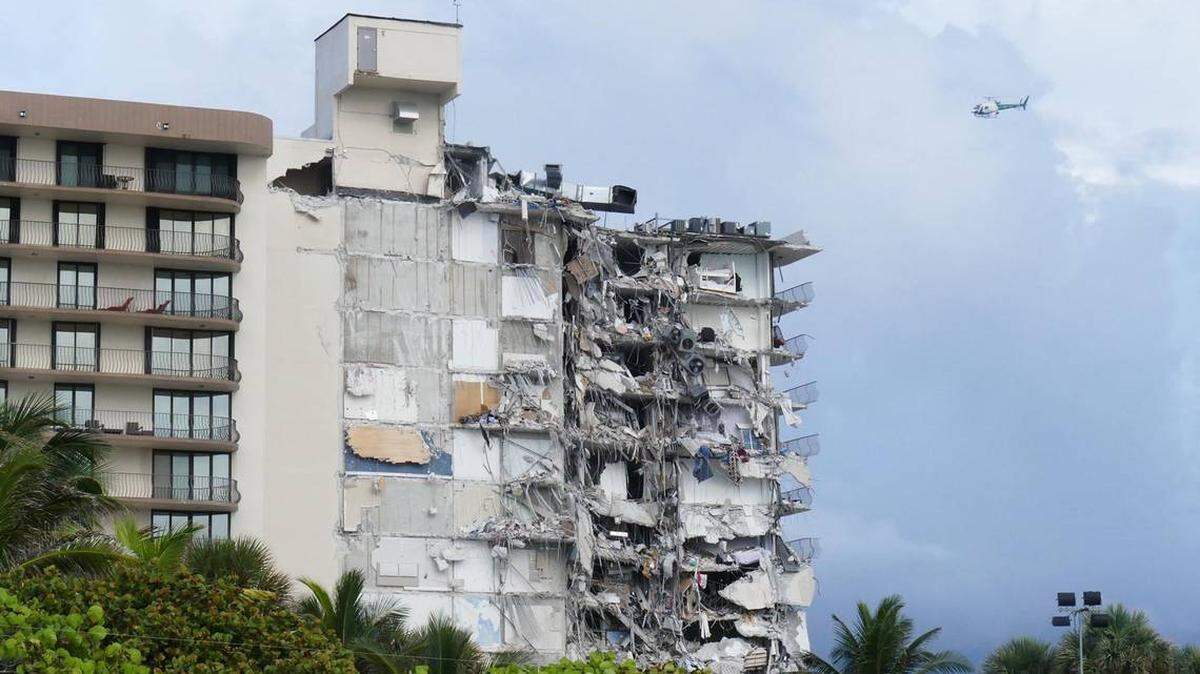
For many South Florida condominium communities, there seems to be a perfect storm brewing that could devastate their finances and force many owners out of their residences. Insurance rates are going up dramatically, and new state and local mandates for increased engineering inspections, structural repairs and reserve funding are also expected to force associations to significantly increase monthly dues.
All these factors, not to mention rising labor costs and materials expenses, could create an untenable situation for many condominium associations’ finances. Consequently, their unit owners now or soon will be asked to dramatically increase their monthly payments. Those who cannot afford the large increases will be forced to sell or face the possibility of foreclosure.
A recent Palm Beach Post article chronicled how the Portofino South Condominium in West Palm Beach received an 82% increase from its insurance carrier, while its directors and residents had expected an increase of about 25%, which the community got in 2021.
Mary McSwain, 67, who bought her one-bedroom unit in January, said her monthly association dues are going from $914 to $1,347.
For most communities, increased insurance costs will come first, but increases created by the provisions of the state (and some county) mandates for structural inspections, repairs and reserve funding are sure to follow. Those provisions do not start until 2024 for the affected buildings, but association boards would be well advised to begin securing and vetting offers from qualified professionals for their long-term budgetary planning.
A federal proposal introduced recently by Florida U.S. Reps. Charlie Crist and Debbie Wasserman Schultz, together with another bill from the same lawmakers introduced in April, could provide relief for communities in immediate need of substantial repairs and renovations. The new Rapid Financing for Critical Condo Repairs Act of 2022 would let the U.S. Department of Housing and Urban Development’s Federal Housing Administration insure condominium association building rehabilitation loans issued by private lenders.
Condominium associations often finance unanticipated building repairs with loans that typically include prepayment penalties and have terms ranging from 10-15 years. Some of these loans even have a balloon payment due at year 10, forcing associations to refinance the remaining debt.
The Act would authorize the FHA to insure condominium association loans collateralized by assessment income, real property or a combination of the two. The loans would be reserved exclusively for rehabilitation, alteration, repair, improvement or replacement of a condominium’s common systems, infrastructure and facilities.
The legislation allows FHA insurance for up to 90% of the repair/rehabilitation costs, and the loans would have 30-year terms, fixed-interest rates and no prepayment penalties. Also, FHA-insured loans typically are eligible for sale in the secondary market, making them more attractive for lenders because such sales lower their potential risks from falling interest rates.
FHA-insured loans tend to have a lower interest rate for borrowers than typical bank portfolio loans, as lenders do not carry the full risk of a default. And, because the loans do not have prepayment penalties, condominium associations would be able to refinance if interest rates fall.
The Securing Access to Finance Exterior Repairs (SAFER) in Condos Act, filed in April, would allow condominium owners to finance critical building repairs with their own FHA-backed loans, which they could combine with their existing mortgage debt into a new 30-year FHA-insured loan. Those who do not have a mortgage or would prefer to leave it as is would have the option of accessing the FHA Property Improvement Program to finance such an assessment over a 20-year term.
Such FHA-backed loans for condominium associations as well as their individual unit owners would let them secure the best possible rates and terms to quickly finance and undergo urgent structural rehabilitation projects.
As I wrote in a May 3 op-ed on the SAFER in Condos Act, with the increased scrutiny of building structural and life-safety elements, major projects to help bolster condominium towers are sure to become more prevalent. These proposed government-backed financing programs for critical repairs for condo associations and individual unit owners promote public safety and help to prevent potential catastrophes, thereby serving an immense public good that merits full government support.
Everyone should contact their U.S. representative and encourage them to co-sponsor and support these bills. In today’s polarized political environment, it will be essential for lawmakers on both sides of the aisle to co-sponsor these proposals, giving them the bipartisan support they will probably need for passage.
Gary M. Mars is a shareholder with the Coral Gables-based law firm of Siegfried Rivera and board certified as an expert in community association law by The Florida Bar.
This story was originally published August 1, 2022 at 3:14 PM.