
In Ukraine, it’s now a war of attrition with Putin. Give Zelenskyy weapons — and hope | Opinion
In a 1980s interview, former British Prime Minister Margaret Thatcher was asked whether she “truly believed” that the Soviet leadership was evil. “Not evil,” she replied. “It’s just that they have never lived in freedom. They don’t understand it, and therefore they fear it.”
Nearly five months into Russia’s war on Ukraine, it’s clear that Vladimir Putin suffers from the same lack of understanding as his Soviet forebears. What’s less clear is whether we understand him and the ideology that drives his actions.
Putin has long believed that democracy and human liberty are signs of weakness. He sees them as a cancer preventing his country from being a true empire. Such beliefs lead him not only to squelch opposition voices like Alexei Navalny and Vladimir Kara-Murza, but to do so in ways that might serve as a cautionary tale to others.
The signs of Putin’s misconceptions are everywhere. He was convinced that repeated shows of force in the lead up to invasion — military, cyber and political — would shatter Ukrainian resolve. He was convinced that once bullets and missiles were in the air, the central government would fold or make sweeping concessions. His 2014 success in taking Crimea with little cost or consequence and his influence over South Ossetia and Abkhazia, which is territory that rightly belongs to Georgia, persuaded him that invasion, at the very least, could enable him to place sympathetic leaders in posts of strategic importance.
Instead, a combination of Volodymyr Zelenskyy’s inspirational leadership, the strength of Ukraine’s well-motivated and well-trained military, the unshakable resilience of the Ukrainian people and President Biden’s success in assembling a largely united Western coalition gave rise to a Ukraine that was more hardened and resistant than Putin imagined.
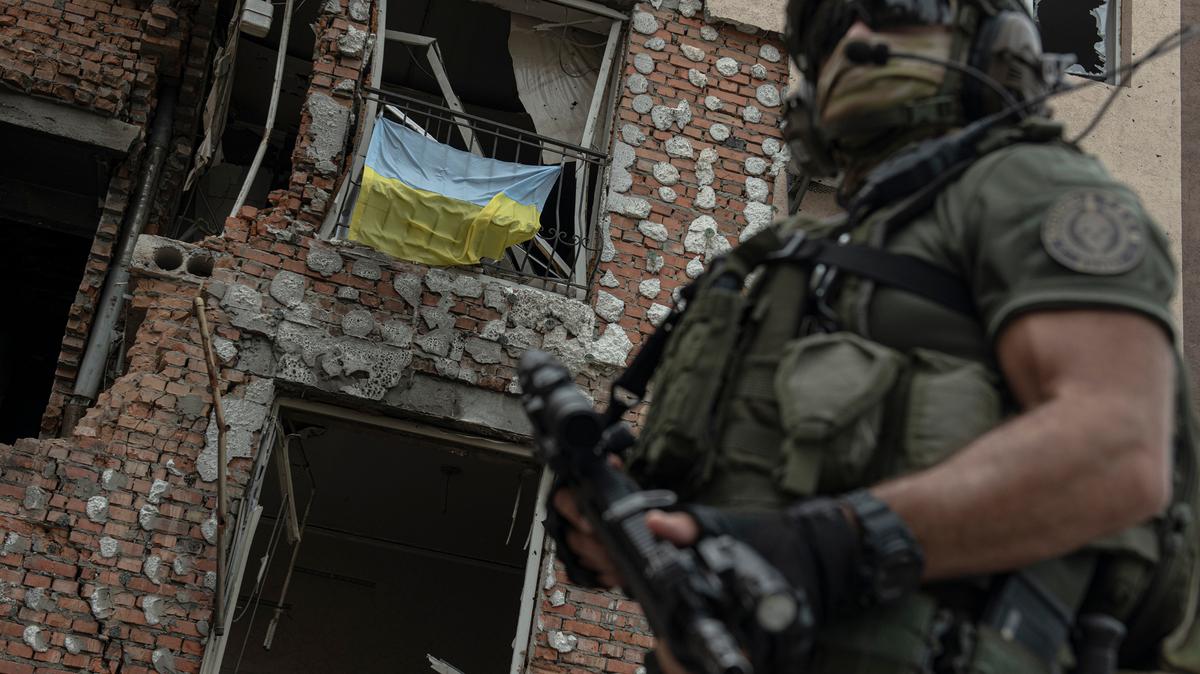
As a result, despite all that Russia has thrown at Ukraine, Kyiv is still standing and Zelenskyy is still president. Russia has lost more soldiers and military assets in the several months since February 24 than it did in 10 years of fighting in Afghanistan. Despite Russia openly characterizing NATO as an existential threat to its national interests, the alliance is on the verge of expanding its membership.
Now that the conflict has evolved into a war of attrition, we should re-examine our understanding of Putin and his motives.
No Putin opposition
We shouldn’t assume that Russia’s under-performance to date is creating a significant threat to Putin’s hold on power. First, he has no operative political opposition. There are no independent media left in Russia so he has a stranglehold on how the story of his “special military operation” is told to his people. Second, nearly all the bombings and brutalities are taking place in Ukraine, not Russia. Third, on the world stage, there are just enough nations opposing efforts to isolate Russia for Putin to prop up his disinformation narrative that characterizes Russian actions as merely a response to Western bullying.
The devastation Ukraine has experienced is both breathtaking and heartbreaking. Economic infrastructure — roads, ports, rail lines — have been destroyed or disrupted. Human and cultural infrastructure — schools and churches, homes and healthcare facilities — have been wrecked. While the Russian economy is projected to contract by 8 to 15%, some analysts believe the Ukrainian economy could contract by 45% or more.
A war of attrition is a war arguably fought on Putin’s terms. The physical destruction and human losses occur largely on Ukraine’s side of the border. Millions of Ukrainians displaced by Russia’s brutality could be traumatized for a generation.
By requiring consensus to determine which military and economic assistance can be given to Ukraine’s valiant resistance, by essentially telling Russia and the world what we won’t do in support of Ukraine, by supplying Zelenskyy with weapons for use only on Ukrainian soil, aren’t we ensuring that the war of attrition will drag on?
The Ukrainians have not only been heroic in their resistance, but masterful in making use of the military support they’ve received. But they’re always playing catch up: Putin inflicts more devastation and suffering, then Zelenskyy pleads for more assistance, and then some of what he requests actually arrives. The repeating pattern feels like watching Ukraine get hammered over and over in the hope that Putin will cry “uncle.”
Provide what the world needs — like naval escorts to pierce Putin’s illegal (and immoral) blockades. Give Ukrainian soldiers what they need — like more sophisticated weapons with fewer restrictions. Give Ukrainian citizens what they need — hope that the war of attrition will end.
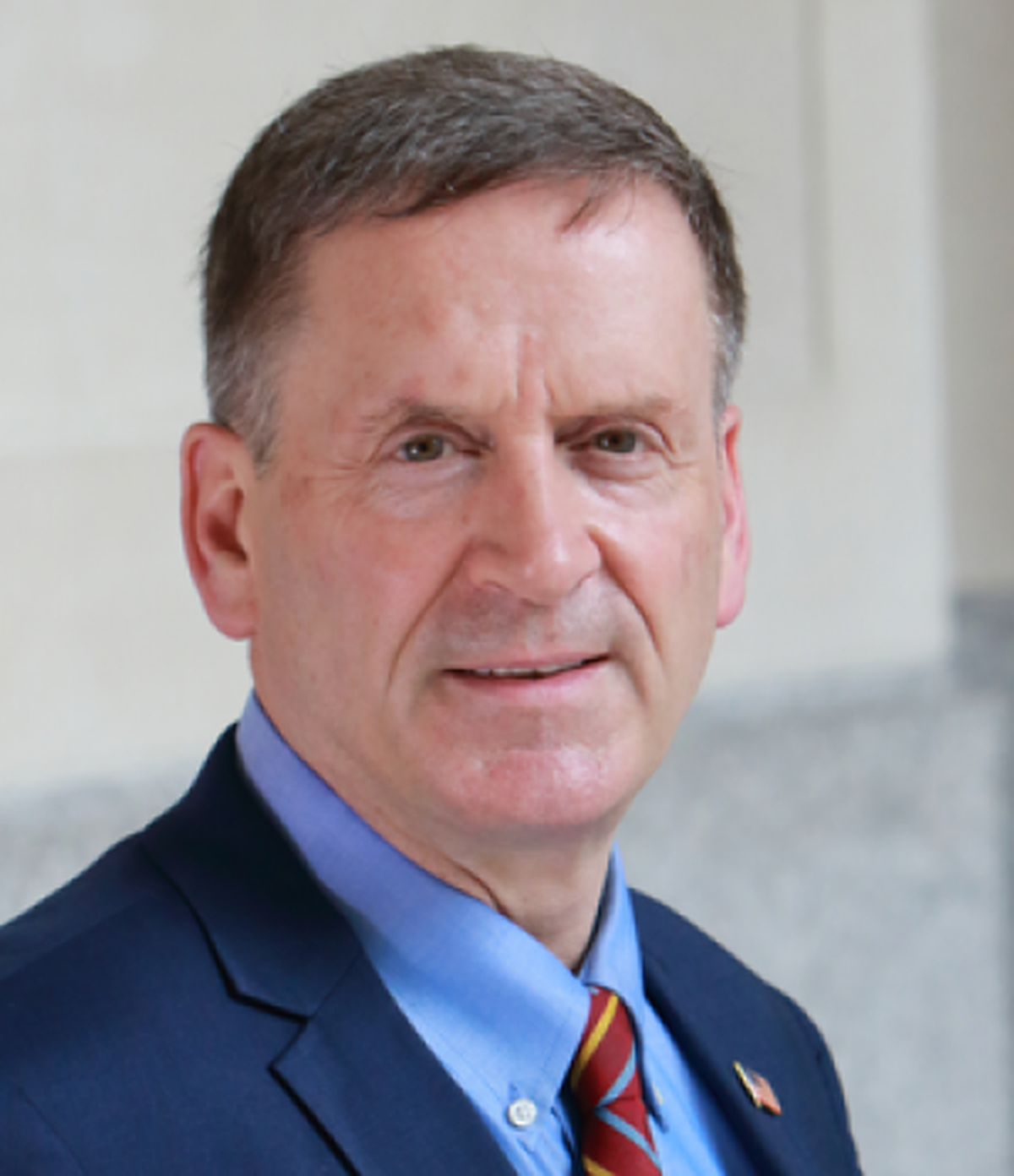
Ambassador Mark Green (ret.) is president, director and CEO of the Woodrow Wilson International Center for Scholars, a non-partisan policy forum. He was the U.S. ambassador to Tanzania from mid-2007 to early 2009.
This story was originally published July 11, 2022 at 6:20 PM.