
Ditching plastic shopping bags isn’t enough to protect Florida’s marine life | Opinion
In May, a 47-foot-long adult male sperm whale beached itself in the Florida Keys. The magnificent animal, which typically lives in deeper water offshore, was emaciated. After stranding in the shallow waters around the Mud Keys, north of Key West, it died.
A necropsy revealed a tangled mass of plastic bags, fishing line, and tattered fishing nets had blocked the whale’s stomach, preventing it from absorbing nutrients. The knotted mass of plastic debris caused the whale to starve to death.
This tragedy is appalling on so many levels, and it’s not an isolated event. Our reliance on plastics and our failure to address derelict fishing gear, also known as ghost gear, has made our oceans inhospitable to vast swaths of iconic marine life, including whales, dolphins, fish, turtles and manatees. A single abandoned net is estimated to kill an average of 500,000 marine invertebrates, 1,700 fish, and four seabirds. Over time, ghost gear breaks down into microplastics, which leach toxic chemicals into the marine food chain. Ocean Conservancy studies have found that ghost gear is the single most harmful form of plastic pollution.
The loss of this sperm whale should be an eye opener for many, and its death should beg the question as to why we aren’t doing more to protect our ocean from the marine debris that is choking it out. Individual actions, which include skipping single-use plastics and participating in beach cleanups, are obviously important and welcome. But to keep us from drowning in marine debris, we need visionary, comprehensive efforts to tackle the plastic and ghost gear problem.
Ditch single-use plastic
In domestic coastal regions like the one in Florida where the whale died, there needs to be more emphasis on moving towards a circular plastic economy that eliminates reliance on virgin plastics and eschews single-use plastic items while underscoring reuse and recycling. An obvious place to make progress would be in Tallahassee restoring power to local governments to regulate single-use plastics in their local jurisdictions. As it stands, the state Legislature has preempted local governments from doing so but has not acted to comprehensively address the massive problem of marine plastic.
Nationally, we need action from leaders in the business community to take responsibility for the full life cycle of their packaging and commit to reducing the amount of single-use plastic packaging in their business operations. This should prioritize plastics that are not actually recyclable, which comprises 70% of all debris polluting our beaches and waterways, according to 35 years of data from Ocean Conservancy’s International Coastal Cleanup. We need to build capacity to help fishers prevent the loss of fishing gear and facilitate the cleanup of ghost gear once it’s already in the environment through initiatives like gear tagging and recycling, as recommended by Ocean Conservancy’s Global Ghost Gear Initiative Best Practice Framework.
On an international level, we need broad adoption of the “Global Plastics Instrument,” which lays out a road map for countries to work collaboratively to address environmental and social-justice impacts of plastics from production to disposal. Collaborating nations should advocate for the inclusion of ghost gear in the “Plastics Treaty,” a legally binding agreement to tackle pollution particularly in the marine environment.
We should not have to accept these tragic losses of marine life to plastic pollution. The global ocean plastics crisis is one that we created, and it’s one that we have the power to solve.
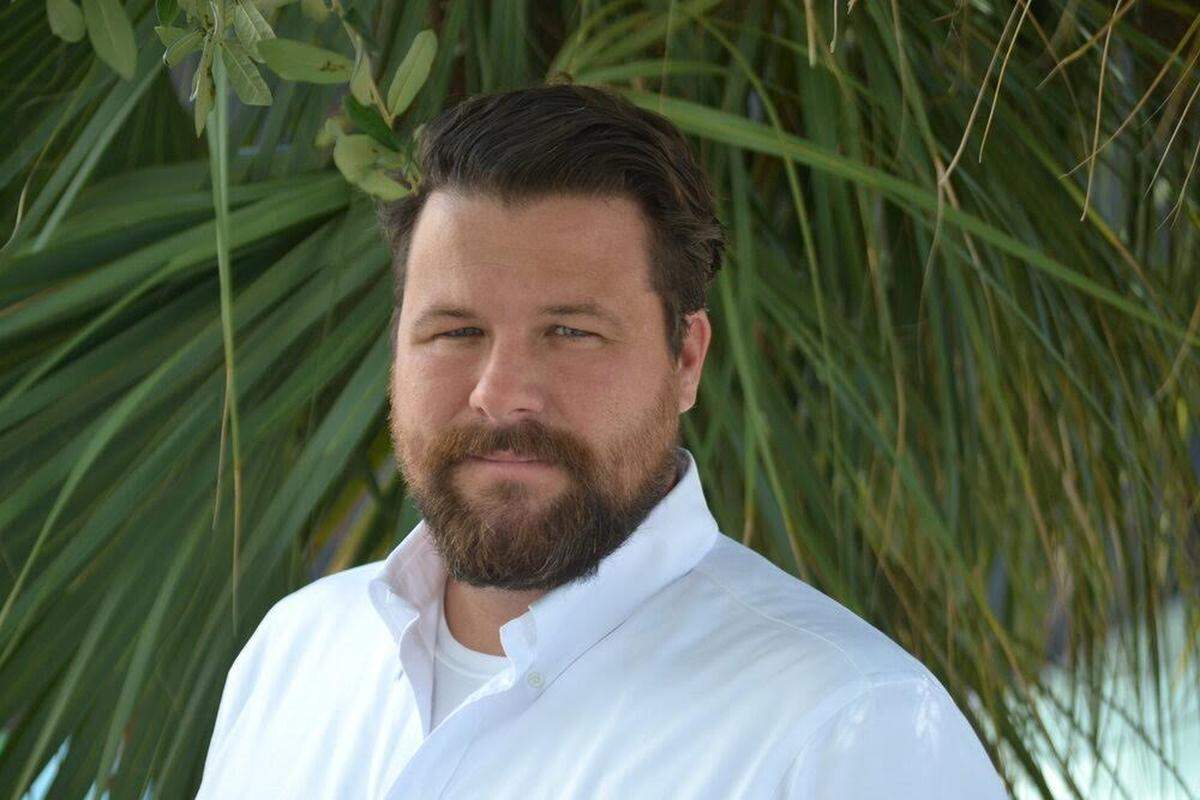
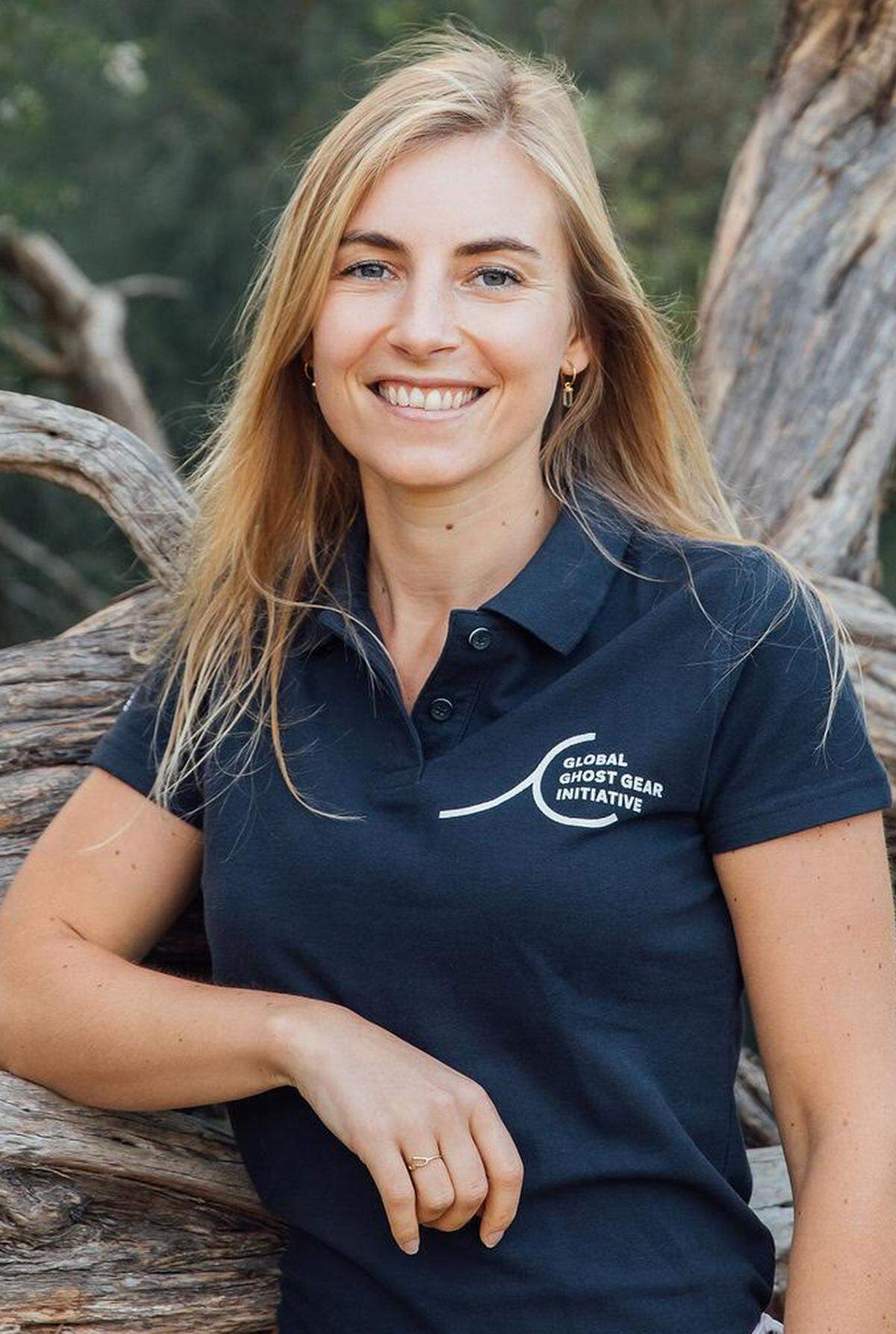
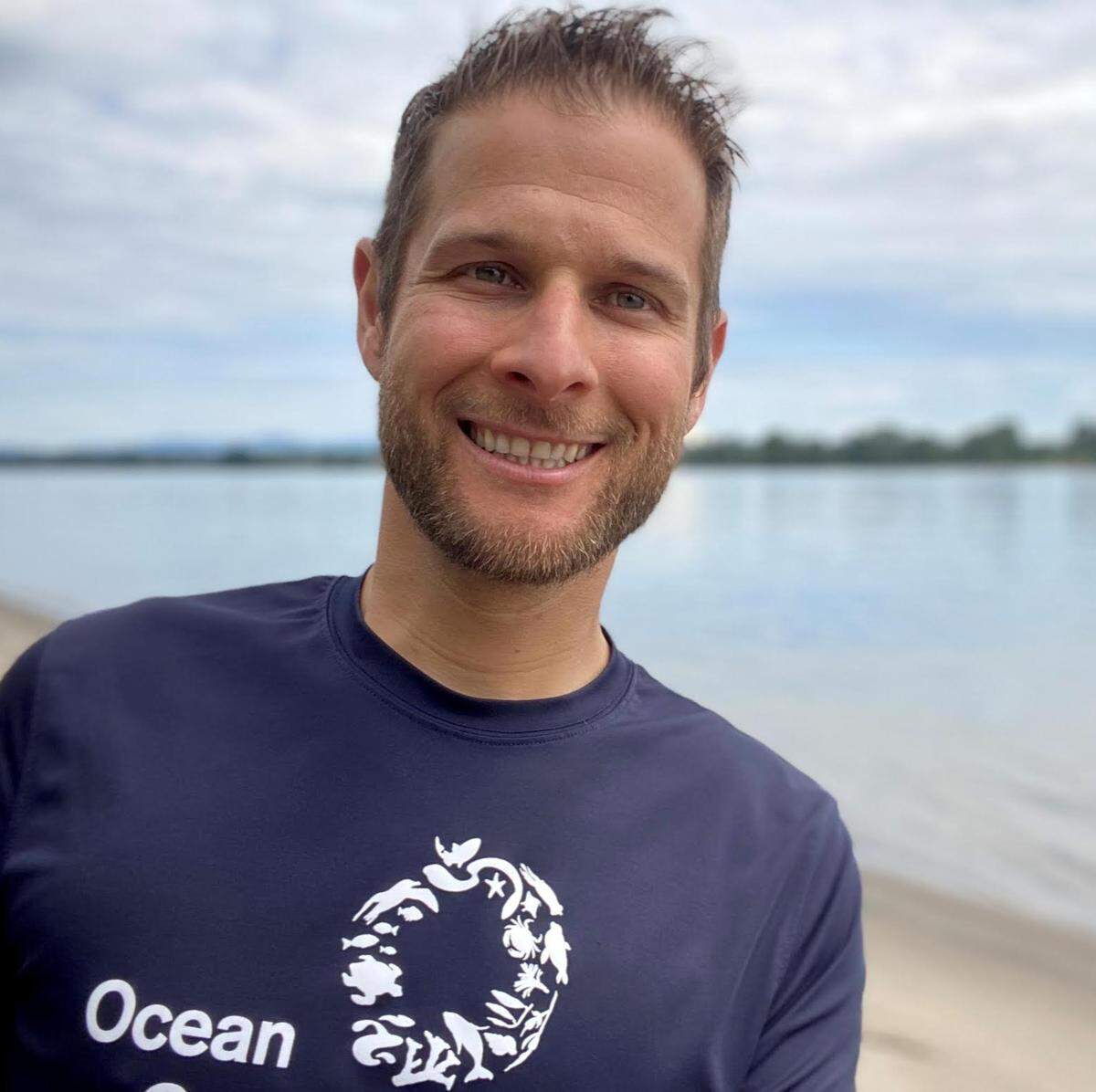
Jon Paul “J.P.” Brooker is the director of Florida Conservation for Ocean Conservancy. Ingrid Giskes is the senior director of the Global Ghost Gear Initiative and international government relations for Ocean Conservancy. Nicholas Mallos is the senior director of the Trash Free Seas Program for Ocean Conservancy .
This story was originally published June 13, 2022 at 4:02 PM.