Florida cannot confront climate change without confronting lack of affordable housing | Opinion
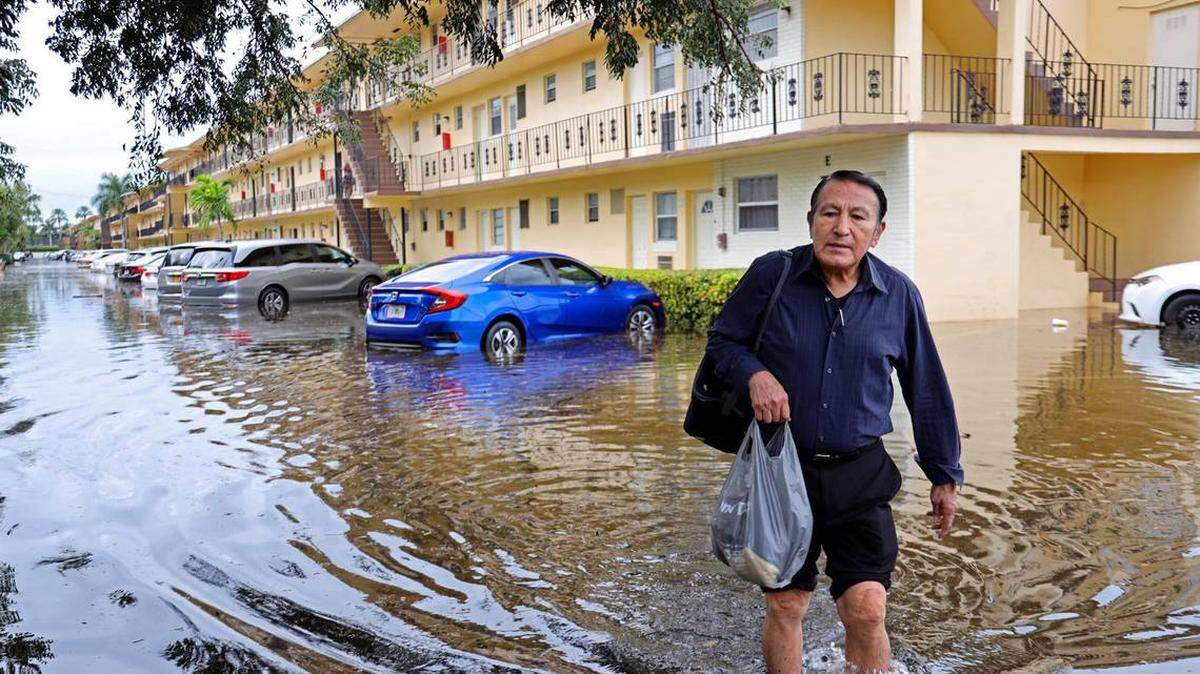
Last weekend, heavy rain brought flooding in Miami. This was to be expected as June 1 marked the beginning of the Atlantic Hurricane Season; Nov. 30 marks its end. Some might not have a an ounce of fear, trepidation or concern about this, but for many, it is a huge concern.
According to the National Oceanic and Atmospheric Administration (NOAA) 2022 outlook, there is a 65% chance that this year’s hurricane season will be above average in activity. Climate change is a factor in this uptick. The threat of natural disaster will directly and dramatically affect not just lives, but housing — which is already at a premium, and in short supply.
In Florida, this means that a large portion of residents could be left unprotected in the wake of a natural disaster. They will not be able to afford new housing if displaced; they will not have adequate income to repair damaged housing; and, because there is evidence that suggests fewer homes are being bought and sold in response to climate change, there is less inventory available for anyone to occupy should a major hurricane touch down in our beautiful state.
Legislators must combat current housing practices now and also prepare for the inevitable.
The Miami-Dade County Office of Resilience, led by Maria Jose Orejuela, conducted community workshops, online surveys and stakeholder outreach efforts to create a strategy around adaptation to sea level rise in the coming decades.
In their online community resilience survey, 400 community members chose promoting equitable outcomes for all communities, strengthening building codes, implementing local and regional drainage improvements, and increasing and preserving natural barriers, such as mangroves, as top initiatives they would take if given the choice to preserve their communities.
This feedback is important for it demonstrates that residents are ready and willing to protect themselves — when and where politicians can’t or won’t. Further, it speaks to an inherent awareness about the ongoing effects of climate change.
At Florida Rising, where I serve as climate justice manager, we know that Floridians enter this hurricane season with grave concern about the impact of potential storms on people already experiencing housing insecurity. The people who feel this most acutely are women and children, people living in poverty and communities of color. Now, Floridians are being asked to weather an unpredictable hurricane season at a time of escalating housing costs, little to no regulation of rental properties and an overall lack of affordable housing.
For instance, there are countless stories of Florida residents being priced out of their homes because of landlords drastically and sporadically increasing rents to astronomical rates and with barely any notice — leaving some homeless. A March 2022 Florida TaxWatch report states overall median rental prices have exploded in metropolitan areas such as Miami, Tampa and Orlando.
Florida lacks preemptive housing regulation that requires new developments to include a percentage of affordably priced units. As developers (often out-of-state corporations or wealthy individuals) scoop up property they are developing with a certain population in mind. We know who that population is not — people of color with limited assets.
Parts of Greater Miami — from Miami Beach to Liberty City to Allapattah to Little Haiti to Brownsville to even South Dade — are at high-risk for hurricane storm surge, sea-level and tidal flooding, shoreline erosion and waves. Some of these areas also have high percentages of people living in subsidized and/or affordable housing (HUD, Section 8 vouchers, public housing, rents below market rate, etc.). They are vulnerable and would need unique support to recover from deadly storms.
Our organization is running “Justice on Every Block” campaigns for landlord registries and landlord accountability boards within the state. In St. Petersburg and Pinellas County, we are demanding elected leaders establish a registry to hold landlords accountable for complying with local safety ordinances; and to implement housing anti-discrimination ordinances to protect returning citizens. We’re also asking for a 90-day eviction notice period for pregnant tenants and/or those with children.
Ultimately, we believe housing is a human right, not a tool for profit. Everyone should have safe, affordable homes, rent control and development that doesn’t displace residents, especially during a crisis. Legislators should take pre-emptive strides toward safe, affordable housing that will be available now and into the future.
MacKenzie Marcelin is climate justice manager for Florida Rising.