
El Salvadorans are safer because of their country’s ‘state of emergency’ | Opinion
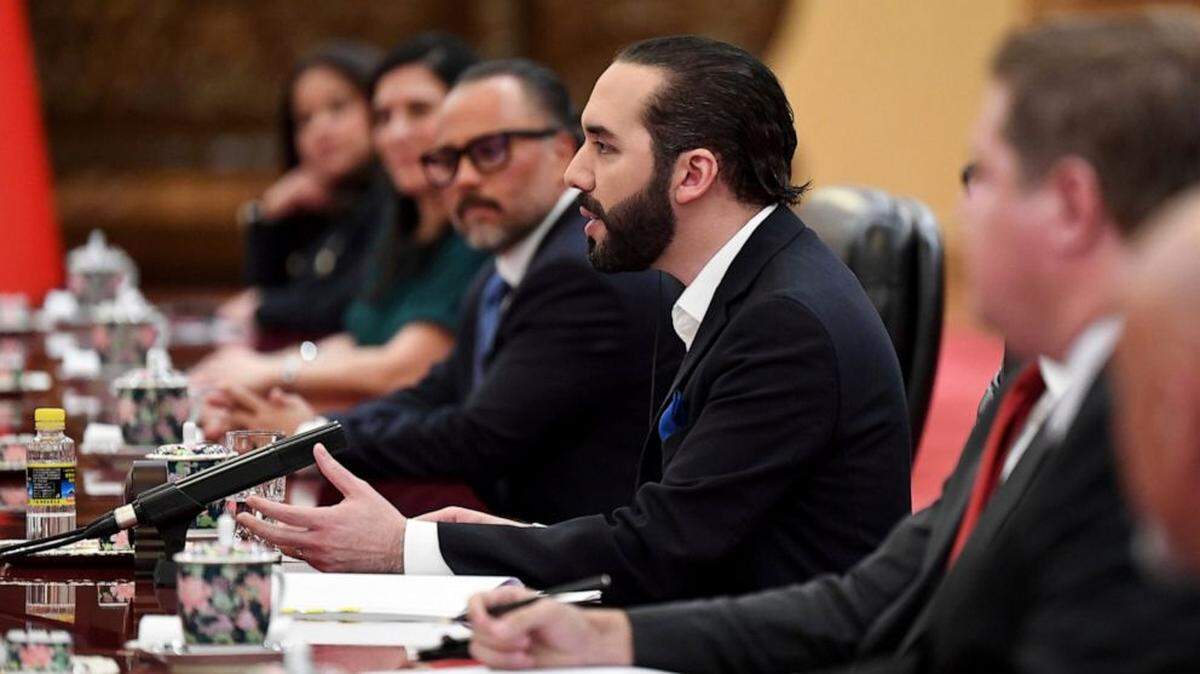
As the Summit of the Americas tackles anti-corruption initiatives, economic growth, and health policies, the topic of citizen security seems to be missing from the conversation.
El Salvador’s state of emergency is now in its third month. But those who have expressed countless concerns do not understand the difficult reality of insecurity with which the average Salvadoran family lives. There is also a lack of historical context. The new security initiative is taking place in a country historically known for violence. Though that is changing, without security, other issues are hard to tackle.
The 1992 peace accords in El Salvador, which after 12 years left more than 75,000 dead, only led to a 30-year period that left more than 120,000 innocent Salvadorans dead from gang violence. That’s in addition to the tens of thousands kidnapped, raped, assaulted extorted and displaced.
President Nayib Bukele’s plan to deal with the gangs is supported by over 90% of the population. His job approval overall stands at over 85% as he marks his third year in office. The Salvadoran people can feel safer in their communities thanks to this plan.
With the new congress, Bukele’s administration was able to begin implementing his territorial control plan, which includes doubling the manpower in the security forces. They also acquired new equipment, including drones, tactical gear and infrared vision.
The security plan is showing results: More than 37,000 gang members have been taken off the streets, according to the administration. A small percentage of these detentions include innocent people who are being released as investigations go on. Less than 1% of these are wrongfully incarcerated, meaning that 99% of those detained are gang members.
Prior to the state of emergency and the new administration, security forces had a difficult job. After arresting suspected gang members, a corrupt judicial system would set them free as early as in a day — judges were on gang’s payroll. Now, many corrupt judges have been forced into retirement.
With congressional approval, at the request of the President’s Security Council, the state of emergency has allowed the security forces to arrest gang members and disrupt their criminal activities. Daily life for law-abiding citizens has improved enormously, as they have no fear of going into the streets, sending their children to school or being at risk of being extorted, or even killed.
Still, the international community has pointed to the few, isolated cases of people wrongfully detained — subsequently released — but rarely mentions the thousands of Salvadorans who have been murdered over the years. To put security into context, the past three presidential terms — a total of 15 years — only saw one day without any murders. One day in 15 years. In the three years of Bukele’s administration, there have been, thus far, over 130 days without any murders according to law enforcement.
Few recognize, for example, the program to distribute laptops and tablets with cellular internet to every child K-12, the nation’s success in combating the COVID-19 pandemic or the work El Salvador’s first lady, Gabriela Roberta Rodríguez de Bukele, is doing to improve how Salvadoran children are brought into the world.
Those who live in El Salvador understand how critical these policies are and know how effective they have been; why can’t the rest of the international community support it as well?
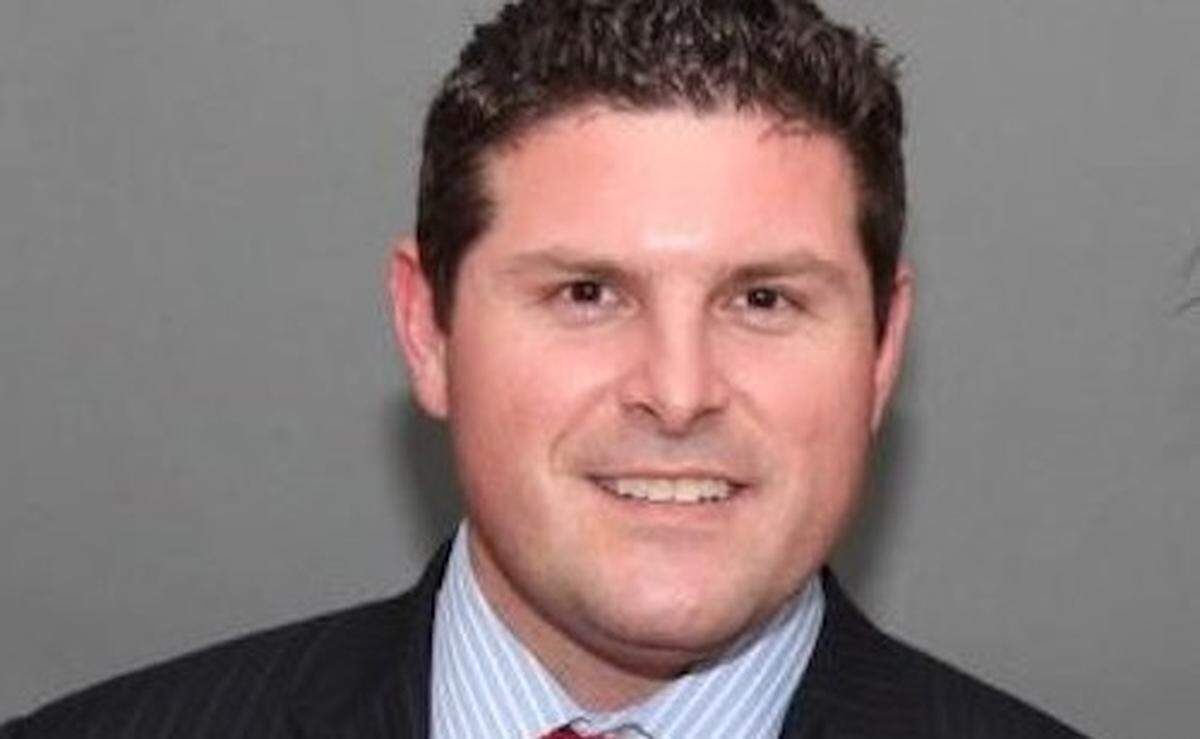
Damian Merlo is a Latin America expert and principal of Latin America Advisory Group, of which El Salvador is a client.
This story was originally published June 9, 2022 at 12:52 PM.