
This year, Miami-Dade partners assemble life-saving resources before a hurricane hits | Opinion
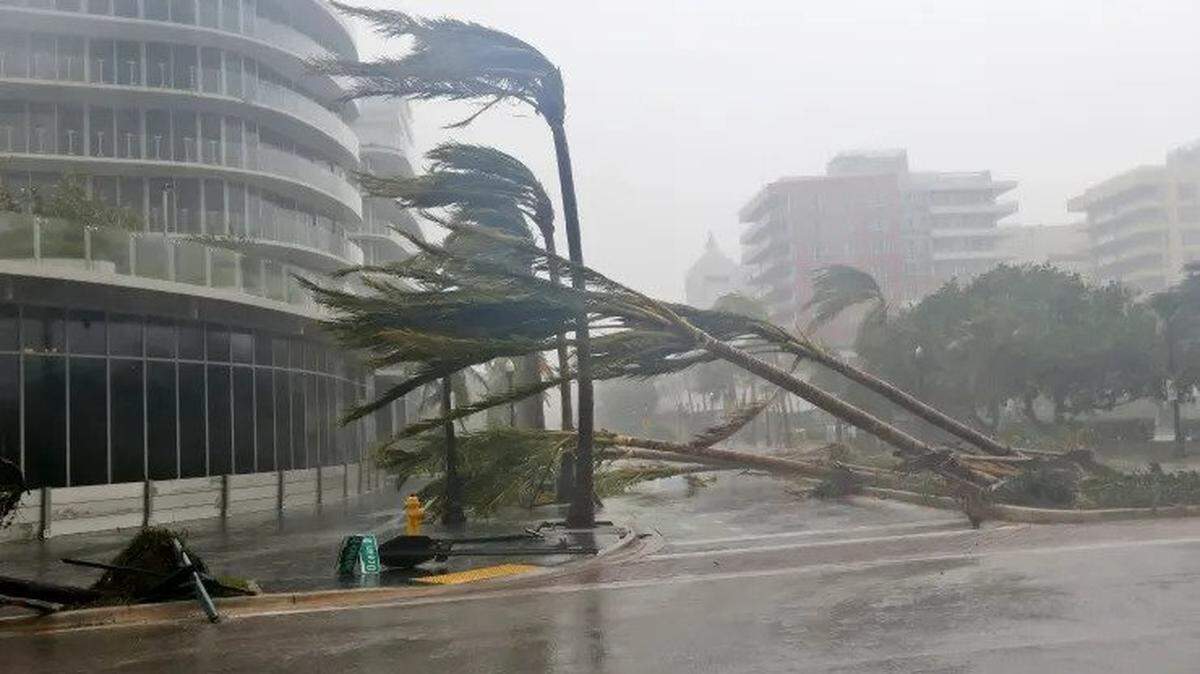
With an anticipated hurricane season each year, Miamians have learned how to weather disasters together. We help neighbors board up their windows, check on family and friends riding out the storm in their homes and gather to clear the debris from our streets and yards in the aftermath. We saw these instincts kick in during COVID as our community stood together to provide hundreds of thousands of meals, internet access and wraparound support to families in crisis.
But we can do better than just react well in moments of tragedy. We can get ahead of the storms to come, saving precious time and money by building today the coalitions and resources necessary.
The moment after a hurricane strikes is a terrible time to start organizing a recovery effort. Power and internet are out, teams are diffused, shelves are empty, roads are blocked. After a disaster is not the moment to start building strategies and partnerships, or to stock up on necessary resources. The right time is before. The right time is now.
As hurricane season begins on June 1, today is the day to purchase emergency supplies. Today is the day to build your company’s emergency plan. And today is the day for us to unify and launch a cross-sector coalition committed to leading the nation in disaster preparedness and recovery.
Together, we are proud to announce the creation of Miami’s proactive Disaster Resilience Fund, a growing collaboration among partners to further strengthen our community’s grassroots preparedness and response. Miami-Dade County in partnership with The Miami Foundation, The Key Biscayne Community Foundation, The Coral Gables Community Foundation, Greater Miami Jewish Federation and others are investing proactively to mitigate the risk of future hurricanes and disasters. The fund was seeded with catalytic investments from Kenneth C. Griffin and Daniel Lewis, and will begin with investments in 18 nonprofit partners building a proactive strategy at the start of hurricane season.
Research shows us that every dollar spent on prevention will save six dollars on the other side of a disaster. We also know that community organizations are critical because of their location within neighborhoods and existing trusted relationships. Every coalition and partnership we create now will make us nimbler when we need to spring into action. As we build a world-class city with heat and hurricane seasons, Miami is in a unique position to lead the nation in disaster preparedness and recovery. This is the kind of bold, unified and strategic leadership our community deserves.
As we have seen throughout the many hurricanes that have affected South Florida, dating back to Hurricane Andrew, small neighborhood-based organizations play a vital role during a crisis. But, often, they are not connected to one another or to formal channels of resources and information. Government can’t respond alone; we need to collaborate with civic groups and non-governmental organizations. It can take weeks for philanthropic dollars to get organized, and neighborhood leaders often take on debt and personal risk before support gets to them. (And sometimes the support doesn’t come!)
Ultimately, our goal is to shift the philanthropic response from 14 days to two days, ensuring that we have resources at the ready, partners across neighborhoods and a strong coalition of support built between government, nonprofits and local businesses.
We don’t want to have to ask ourselves, “Where is the cavalry?” after a storm.
Join us in shifting the aftermath of a disaster from reaction to response: First, think preventively by studying Miami-Dade County’s hurricane guide here; second, every nonprofit should join the Disaster Resilience Network, so they are connected to preparedness and recovery resources; third, know what’s happening in your neighborhood and reach out to those who help sustain your community.
Finally, be the person on the block who steps up and lends a hand as we rebuild and find resilience. It’s only the next step in advancing what we already know how to do — take care of each other.
Each of us, in the end, is the cavalry, and now is the time for us to get prepared.
Pete Gomez is assistant director of Miami-Dade County Fire Rescue and Office of Emergency Management. Rebecca Fishman Lipsey is president and CEO of The Miami Foundation.

This story was originally published May 30, 2022 at 3:00 AM.