
Today, on the five-year anniversary of Florida legislation, there’s progress on Everglades reservoir | Opinion
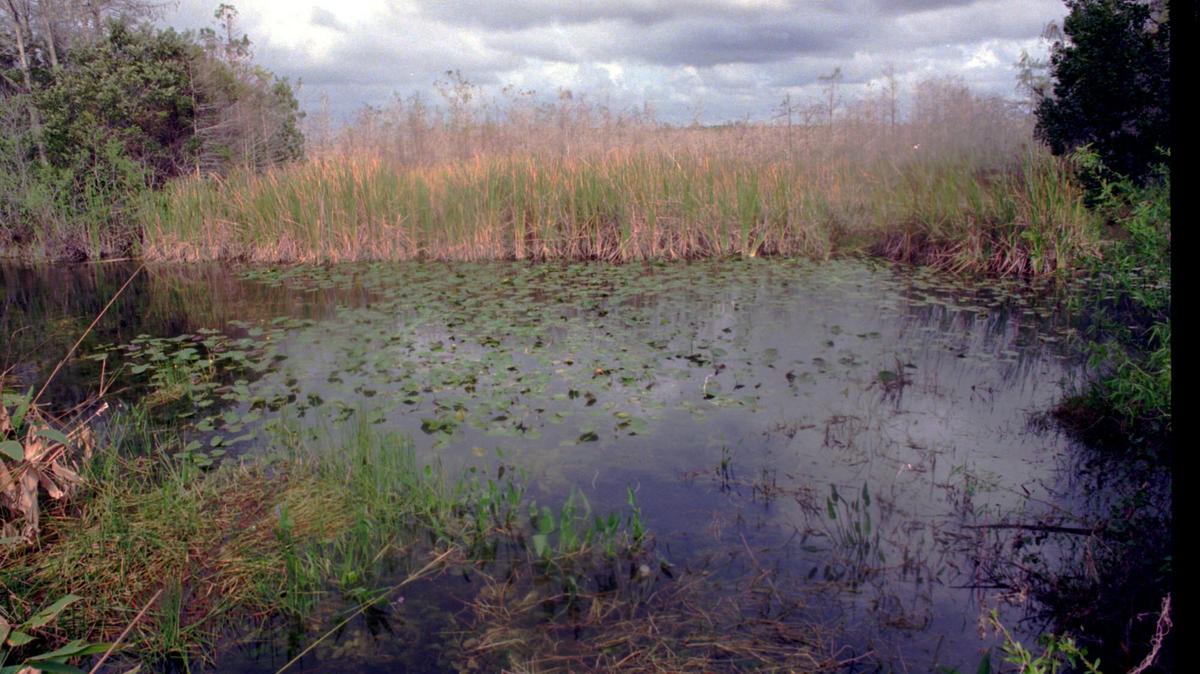
May 9 represents the fifth anniversary of the signing of Florida Legislature’s Senate Bill 10, the legislation that paves the way to the Everglades Agricultural Area Reservoir south of Lake Okeechobee, the crown jewel of Everglades restoration.
The EAA Reservoir and its stormwater treatment area will help store and clean nutrient-laden water from Lake Okeechobee. Then it can be sent south to safely nourish the parched Everglades, restore the salinity of Florida Bay and replenish the drinking water of 9 million people in South Florida — all while reducing algae-causing discharges to our east and west coasts.
The concepts behind the EAA Reservoir have been long agreed to by scientists, policymakers, and stakeholders alike. A major reservoir south of Lake Okeechobee was called for in the Comprehensive Everglades Restoration Plan (CERP), which was approved by the United States Congress and signed into law by President Clinton in December 2000.
Why the delay?
The story of the back-and-forth of funding challenges that slowed construction of the EAA Reservoir would fill a book — and a pretty good one.
The seeds of delay were sown when CERP was written. The Water Resources Development Act, which identified the EAA Reservoir and 67 other project elements, called for a 50-50 cost split between the federal and state governments, setting up a two-decades-long funding seesaw.
Most years, Washington failed to match Tallahassee’s commitment to Everglades restoration. Therefore, each year, Everglades advocates took to both capitols to make the case for restoration funding.
On May 9, 2017, then-Gov. Rick Scott signed legislation that identified the state land to be utilized for the EAA reservoir project and set the project in motion.
Florida leadership
SB 10 happened because of the leadership of then-Florida Senate President Joe Negron, who had represented Florida’s algae-plagued Treasure Coast in the Florida House and Senate for 15 years.
Year after year of fish kills, closed beaches and restricted fishing caused by toxic blue-green algae had sent thousands of South Floridians to Tallahassee demanding action. Negron, who lived with the problem in his own backyard, exercised his leadership to move the reservoir forward.
Besides a massive 10,500-acre reservoir, the legislation also called for a separate, 6,500-acre constructed wetland that will purify the nutrient-rich water from the reservoir so it can be safely sent south into the Everglades and Florida Bay.
Once completed, the EAA Reservoir will store about 78 billion gallons at any time — about enough to lower the 720-square-mile Lake Okeechobee by half a foot. At 23 feet deep, the reservoir will hold enough water to fill more than 118,000 Olympic-sized swimming pools.
Together with other CERP projects, the new EAA Reservoir will significantly reduce algae-causing discharges into the Caloosahatchee and St. Lucie rivers and will provide 120 billion more gallons of clean, freshwater for the parched Everglades and Florida Bay every year, according to the South Florida Water Management District.
The state, which owns the land, has spent $309 million since 2017 taking the lead in building the 6,500-acre Stormwater Treatment Area for the project. The U.S. Army Corps of Engineers, meanwhile, faces the much bigger task of constructing the reservoir itself, at a cost of more than $3 billion.
While the state of Florida is on track to complete its share of the job next year, the Corps has estimated that the reservoir itself will be done by 2029. After that, the Corps’ plans call for testing the system through 2031.
Everglades spending
After record federal funding during fiscal year 2022, President Biden’s fiscal year 2023 budget request includes $407 million for Everglades restoration projects, the majority of which is directed toward the EAA Reservoir. This is the largest single-year federal spending request for Everglades restoration since CERP was signed into law 22 years ago.
These record funding commitments reflect the strong, bipartisan support for Everglades restoration.
Decision-makers in both political parties recognize that restoring America’s Everglades and ending Florida’s water pollution is critical both to our environment and to our economy, which is dependent on tourism, real estate and recreation.
So happy 5th birthday, Senate Bill 10, and let’s build this reservoir.
No project is more important to Florida’s economy and environment.
Eric Eikenberg is CEO of The Everglades Foundation.

This story was originally published May 9, 2022 at 5:00 AM.