Biden must bring a focused and pragmatic agenda to Summit of the Americas. Otherwise, why bother? | Opinion
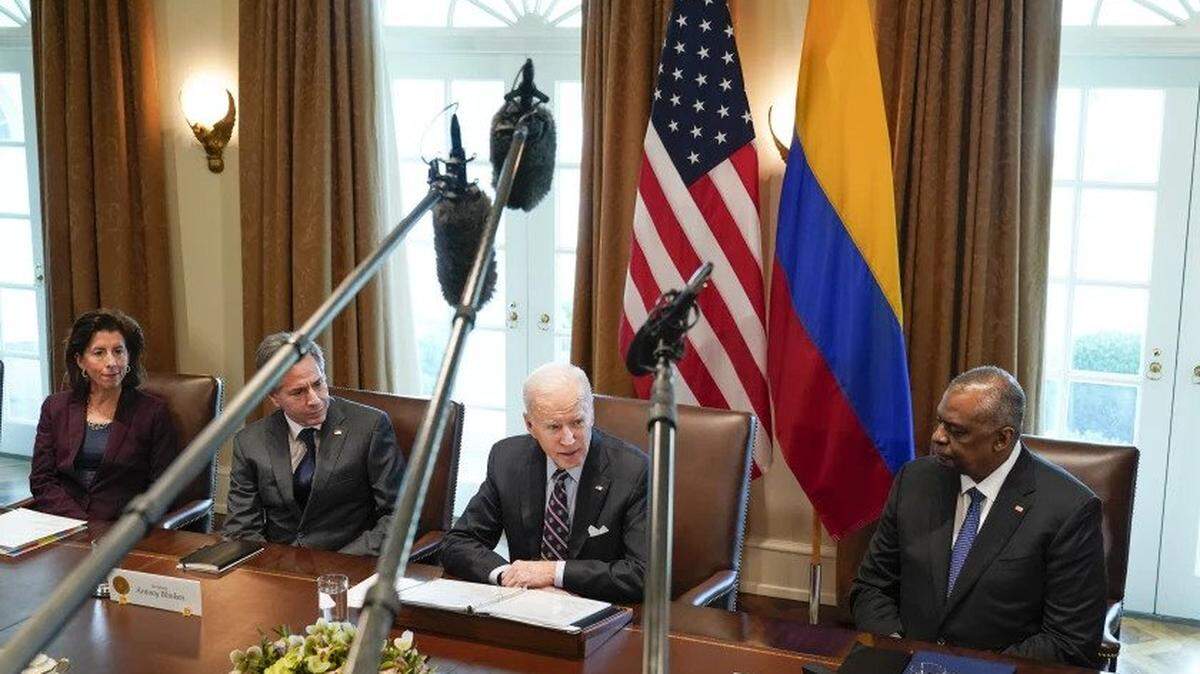
As host of this year’s ninth Summit of the Americas, President Biden and the United States have the opportunity to present a compelling vision for the Western Hemisphere that enables positive change by addressing the region’s top priorities. The summit, to be held June 6-10 in Los Angeles, is the last opportunity for the Biden administration to present a compelling action plan to produce concrete results by the end of its term.
Less than six weeks before the summit, however, such a vision remains elusive. Concerns are growing that the summit could be a fumbled opportunity for the United States to lead. The political and economic challenges in the world should inform and organize the summit’s programming.
Several Latin American government representatives are quietly voicing reservations at sending their presidents to Los Angeles for four days, given challenges at home, especially when the U.S. host’s objectives, in their view, appear more domestically focused. To ensure the summit is a success, regional heads of state as well as members of Congress must step forward now and enunciate their own concrete proposals for the summit.
A pragmatic series of proposals from the Biden administration, augmented with additional proposals from regional leaders, could provide positive momentum for the summit. Some of the broad ideas floated by the White House hold promise, but they require more specificity to make them real.
There is still time to ensure the summit’s success. The following ideas could garner broad support for consideration:
The Biden administration can promote a regional dialogue the importance of “nearshoring” supply chains to the hemisphere. The U.S. and regional governments and institutions can commit funding for incentivizing the expansion of manufacturing in the hemisphere. The administration could also resurrect the idea of the Free Trade Area of the Americas, or announce support for expanded trade agreements with the United States from regional allies, including from Ecuador, Uruguay and Brazil.
The United States should incentivize the building of production facilities for vaccines and the raw materials they require, the continued expansion of regional public-health partnerships and the further integration of health information systems.
Many regional partners would welcome increased assistance from U.S. federal agencies to prosecute their corrupt officials, many who keep their ill-gotten gains in the United States. Reducing the time required for our country to respond to requests made by governments under the Mutual Legal Assistance Treaty agreements would be an important step in this process.
Furthermore, the region’s economies are increasingly vulnerable to cyber-security theft and threats, from both criminals and malevolent actors from outside our region. A regional cyber-security initiative, supported by governments and financed largely by the private sector, would provide tangible results.
The United States could also announce expanded commitment for multilateral organizations in the region, starting with the InterAmerican Development Bank (IDB). A bipartisan group of U.S. senators proposed the IDB General Capital Increase Act, which would raise the bank’s capital by $80 billion and expand annual lending in the region to $20 billion annually.
It is in our collective interest to ensure the summit is a big success. The stakes are high for the United States: a lukewarm summit would be our last best opportunity for the next few years to shape an agenda for the hemisphere and could also further erode the region’s confidence in the United States as a dependable partner.
By engaging with regional allies and Congress now, the Biden administration has a real chance to lead a successful summit.
Todd Chapman was the U.S. ambassador to Brazil from 2020 to 2021. Daniel F. Runde is a senior vice president at the Center for Strategic and International Studies.