It’s time for Miami-Dade County to get the ‘Better Bus Network’ on the road | Opinion
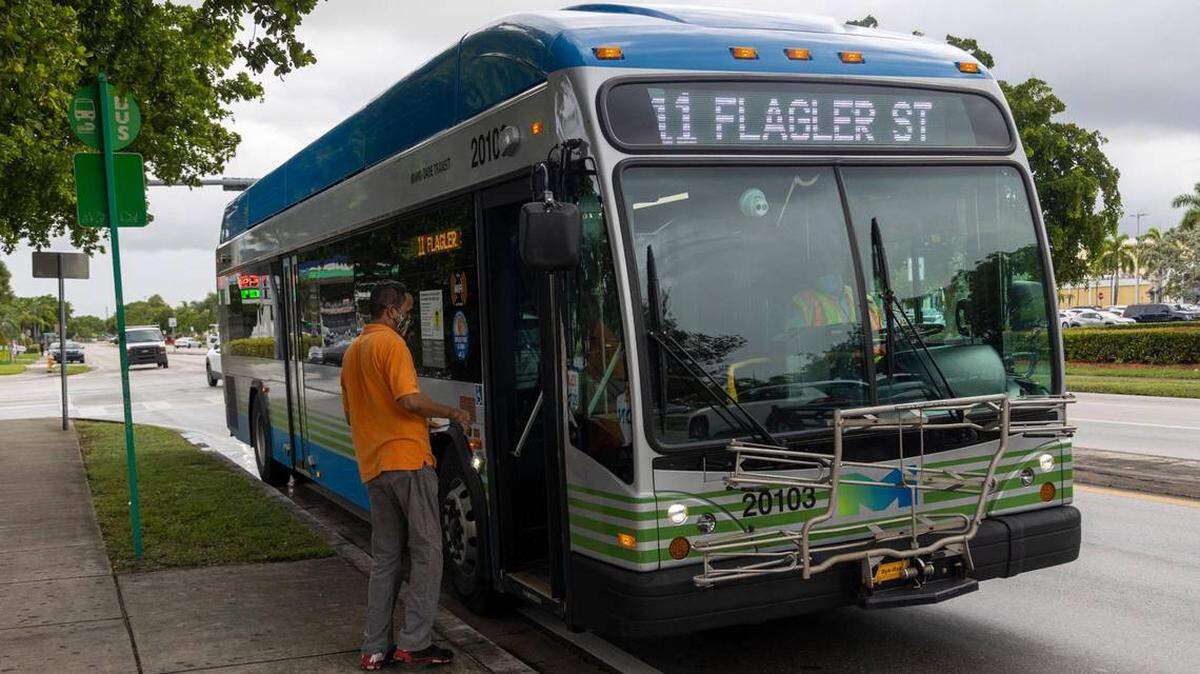
Every morning, thousands of transit riders in Miami-Dade County get up and make sometimes difficult, long commutes to their jobs and daily activities. Some do it because they cannot afford a car as they are saving for their families and their futures.
A better transit system can alleviate those pains and help everyday residents get to where they want to go efficiently and with dignity. Five years ago, Transit Alliance Miami set out to change commuters’ lives throughout the county.
The Better Bus Network (BBN) is the most extensive reworking of the county’s bus routes since the 1980s. The BBN will drastically improve bus service with enhanced access for essential workers, small businesses and historically marginalized communities that have previously lacked frequent, safe, and reliable transit. For the influx of new talent from other places used to having functional transit systems, the expectation is their new hometown will rise to the challenge and provide options for moving around without the hassle. With more than 230,000 daily transit riders on our transit system, we cannot miss this watershed moment to reshape how we get around Greater Miami.
The county’s recent decision to delay the BBN to 2023 is a big step backward. With the county’s track record of over-promising and under-delivering, it is alarming that the earliest the BBN will kick off is at least a year from now. After county commissioners unanimously passed it in October 2021, the BBN needs to be a top priority for the county to get done.
There has never been a more important time to invest in public transit — including investing in the skilled, experienced transit operators and other transit workers that keep the buses running. It takes reliable transit to give people access to good-paying jobs, to healthcare, to educational opportunities, to fight climate change and to help address the county’s affordable-housing crisis. Transit operators are the beating heart of our public-transit system, working hard to get us where we need to go, when we need to go there.
When wages for transit workers are not properly funded, it further demonstrates that they are not a priority. County commissioners need to provide the funding and support to hire new bus operators now. An investment in the transit workforce is an investment in Miami’s future, with a stable, skilled and experienced public transit workforce.
This means the county and its partners must conduct recruitment fairs, invest in candidates’ needed certifications and unleash a marketing campaign to attract talent.
We also need to reframe the discussion around transit investment. Investing in transit requires steadfast commitments from the county to modernize equipment, improve service quality and proactively market its benefits.
The BBN is too critical to delay. Thousands of transit riders are counting on Mayor Daniella Levine Cava and the administration to take an “all of government, all hands-on deck” approach to solve the current hiring shortages. Relying on old models of recruitment, hiring and training that we know are limited is not the path forward.
A stronger future for our city hinges on our county leadership staying the course and delivering on its BBN promise. Transit Alliance Miami stands ready to continue our partnership with the county to make it happen.
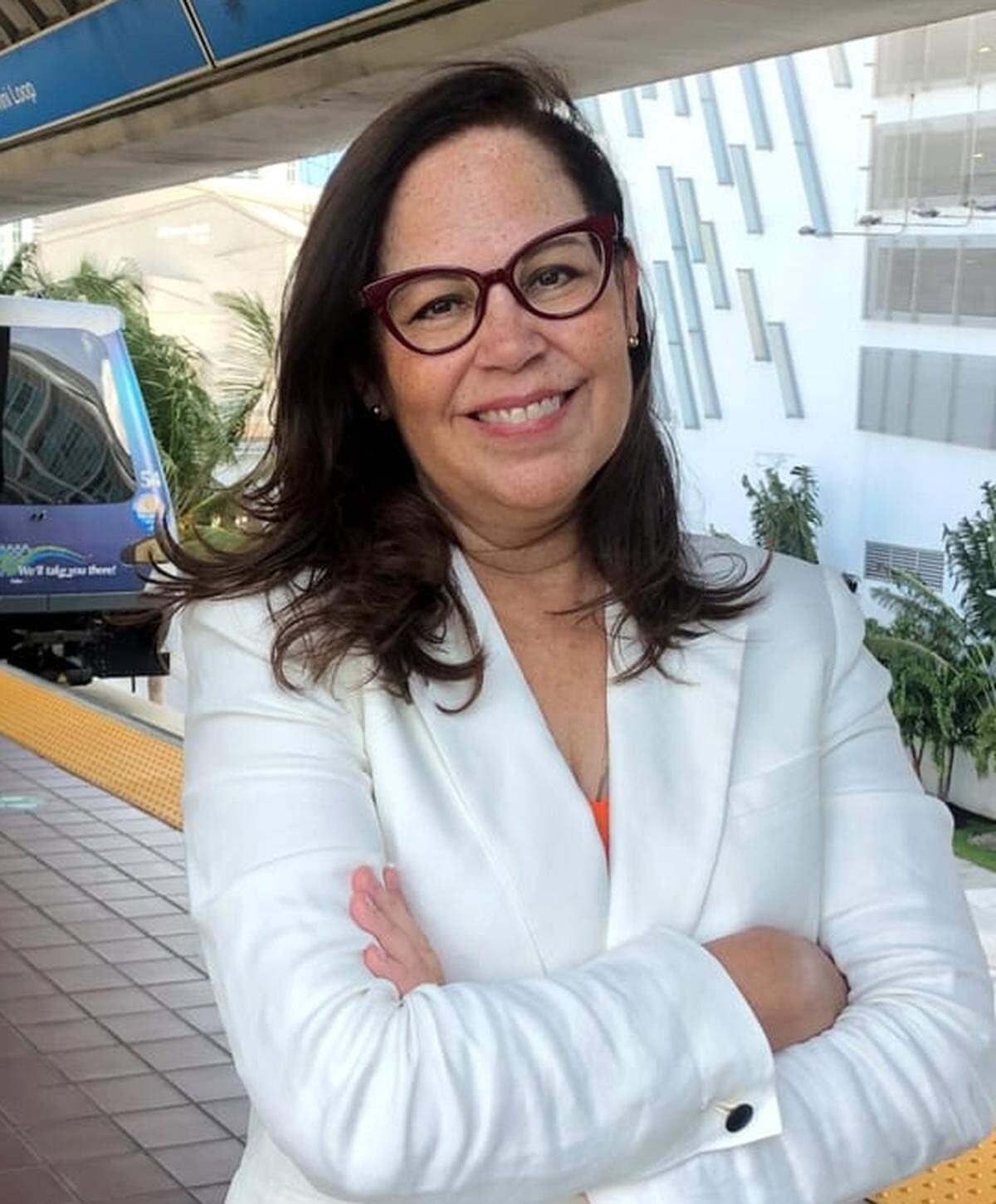
Grace Perdomo is executive director of Transit Alliance Miami.