First responders are human. We must take care of their mental health and well-being | Opinion
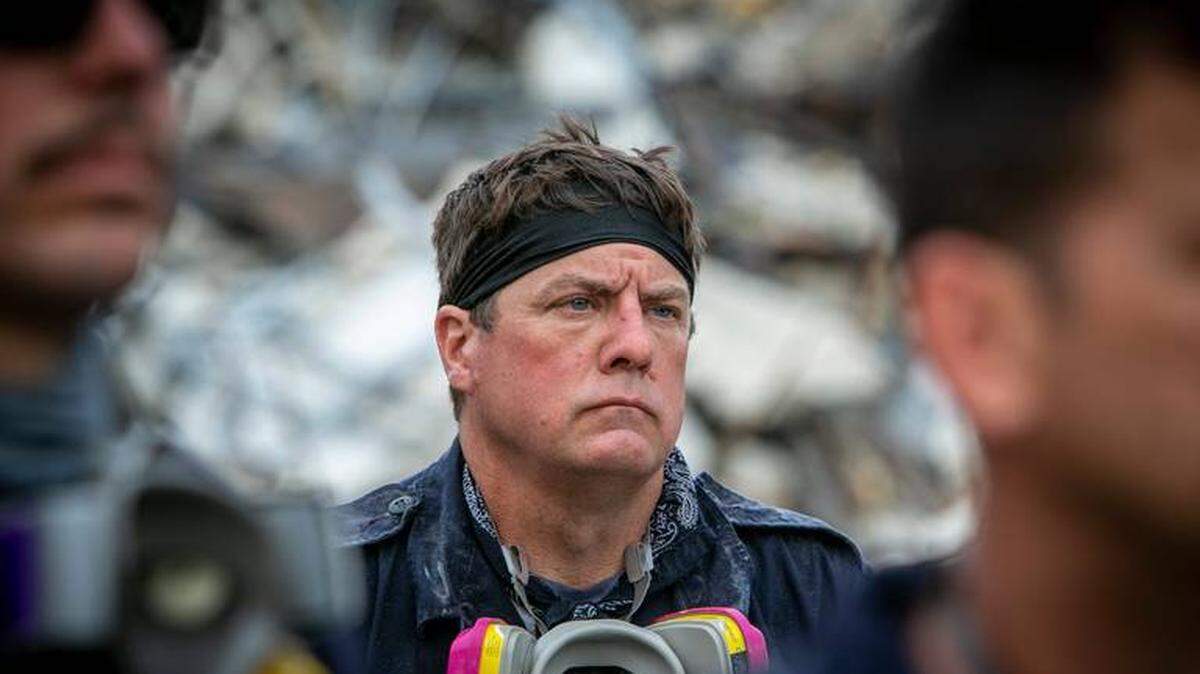
Not many people can understand or empathize with the things first responders encounter during an emergency — or even on a daily basis. Public safety service comes with great personal sacrifice, and many first responders silently carry the burden.
The trauma many of them experienced at the site of the Surfside condo collapse or in the wake of devastating hurricanes can be difficult to discuss. First responders are dedicated to protecting others and, too often, put themselves at the bottom of the priority list.
People don’t call 911 because they’re having a good day. And those experiences, the images that stay rooted in the mind, take a toll. Compared to the general population, first responders experience higher rates of depression, post-traumatic stress, burnout, anxiety and other mental-health issues. And in law enforcement, one study found a more than 20-year difference in life expectancy compared to the average American male.
It’s also estimated that 20% to 25% of all first responders experience post-traumatic stress. That statistic was established before the COVID-19 pandemic and the extra challenges it added to the already challenging jobs done by firefighters, EMS, law enforcement, emergency medical personnel, dispatch, emergency management and other public safety officials. Stress can be a protective factor in the face of life-threatening events, but too many first responders later internalize and ignore traumatic experiences.
These staggering statistics are just a few of the reasons why public safety agencies are focusing more on first-responder health and wellness. To complement their efforts, FirstNet established the FirstNet® Health & Wellness Coalition. FirstNet, built with AT&T, is public safety’s only nationwide network created with and for first responders. As public safety’s communications partner, we work closely with the women and men on the front lines and recognize the need for a diverse array of services, tools and resources. The Health & Wellness Coalition brings together more than two dozen organizations that represent more than 1.3 million first responders, and its priorities were developed from the input of more than 350 first responders.
The coalition recently led to us enlisting some furry friends for help. Through the FirstNet Response Operations Group, we launched the “ROG the Dog” animal-assisted therapy initiative earlier this year. There are more than 30 therapy animals stationed across the country, with one based in Florida, specifically trained to support first responders’ health and well-being.
To date, more than 2,500 first responders in the field have interacted with ROG the Dog across the country. Studies have shown that interacting with animals can improve coping and recovery, enhance morale, decrease stress and reduce the effects of PTSD and emotional distress.
Many resources exist that can improve these occupational effects. For chiefs, administrators and agency heads, it is never too late to institute departmental initiatives and training that support first responders’ health and wellness. FirstNet partnered with Boulder Crest Foundation — which helps struggling veterans, first responders and their families — and the Miami-Dade County Association of Chiefs of Police to take on post-traumatic stress in public safety. It’s been an honor to work with Chief Rene Landa to specifically strategize how partnerships such as the one with Boulder Crest can be brought to more organizations across the state.
We want to ensure responders can take their wellness wherever they go and whenever they are at work. Numerous safety and wellness apps, such as Lighthouse Health & Wellness, ResponderRel8, BJA VALOR Officer Safety, The Better App: Mental Health and others provide easy, efficient access to information and support services.
Raising awareness and highlighting the challenges are critical steps toward changing the stigma around first-responders’ mental health. Seeking help and creating an open environment that encourages conversation about these topics can reduce burnout, tamp out stigma and help build better working environments, safer departments and healthier individuals.
There is no better way to thank all the women and men who put others’ lives before their own than to make first-responder health and wellness a top priority.
Dr. Anna Courie is director of Responder Wellness, FirstNet Program at AT&T.