
Black mothers die at higher rates. Florida’s ‘Stop WOKE Act’ could make that worse | Opinion
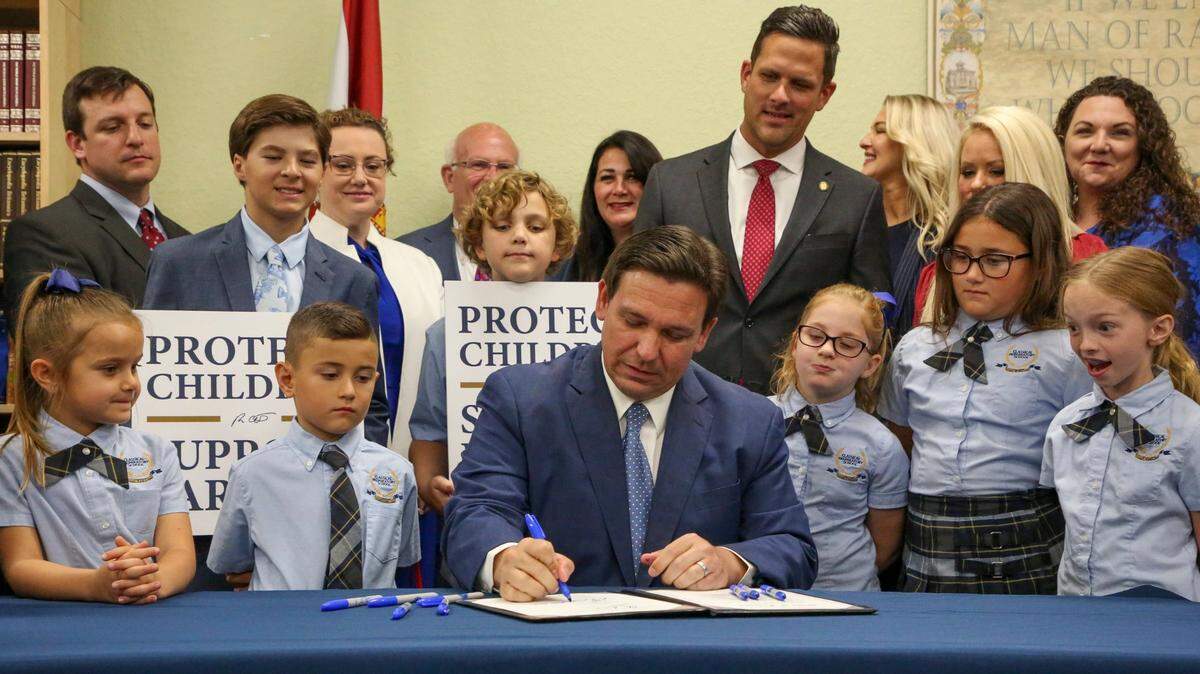
Gov. Ron DeSantis showed his blatant disregard for health and human rights by signing the so-called “don’t say gay” bill into law last week. As calls have begun to repeal it, the “Stop WOKE Act” (House Bill 7) remains on his desk to be signed with equally damaging effects on the health and well-being of Black families in Florida.
HB 7 bans classroom instruction and workplace training that cause someone to feel guilty or ashamed about acts committed in the past by other members of the same race, sex or national origin.
With COVID-19 as a national case study, public health and medical communities publicly reckoned with how historical and contemporary racism (i.e., a system of opportunity based on socially assigned race) impacts health for Black families. We must continue to do so and oppose HB 7 being signed into law.
I am a social epidemiologist who researches the role of structural racism in increasing the risk for maternal hypertension among Black women. I keenly understand how policies that seemingly have no health impacts can gravely create disparate pregnancy outcomes. The harmful effects of restricting education on topics like structural racism, racial segregation, redlining, and Jim Crow will be felt for generations to come, not just in maternal mortality rates but for various diseases that cause Black people to lose their lives too soon.
The irony is not lost on me that bipartisan attention to maternal mortality disparities is happening simultaneously as these bills are being passed. Florida House Speaker Chris Sprowls recently said, “If we’re going to be truly committed to mothers and the health of their children in the long term, it needs to be signaled in both word and deed that this is a long-term commitment.” In direct contradiction, Sprowls supports legislation that would limit the ability for medical schools in Florida to educate future physicians about the historical injustices in the medical field that created inequitable treatment for Black women. We know that the social determinants of health extend far beyond healthcare access and utilization. Educational and training programs (nursing, urban planning, public health, finance, education) are limited in their ability to address structural racism.
Impacts on medical profession
Even more alarming is that HB 7 extends beyond K-20 education to also impact businesses in Florida. Hospitals and other healthcare systems will be limited in the training they can provide to address medical discrimination and accountability within their institutions. HB 7 directly limits efforts from the federal Momnibus Bill and organizations like the American Medical Association in their attempts to address these issues.
If this bill is signed into law, it will inevitably cause Black women in Florida to remain at higher risk of dying because of pregnancy complications for generations.
The Stop WOKE Act limits medical and public health communities’ ability to confront historical policies and practices that still impact maternal and child health outcomes today. It limits conversations on how to rectify and avoid those policies and will tamper development and implementation of novel clinical and policy interventions that directly act to mitigate the harms of racism and keep more moms alive in the state of Florida.
So the question I pose to DeSantis as HB 7 sits on your desk is: discomfort or death? Which one is more important to protect Floridian families from? I am sure for the many families who walked into a hospital for what was one of the happiest days of their lives and were left without a mom, the choice would be easy.
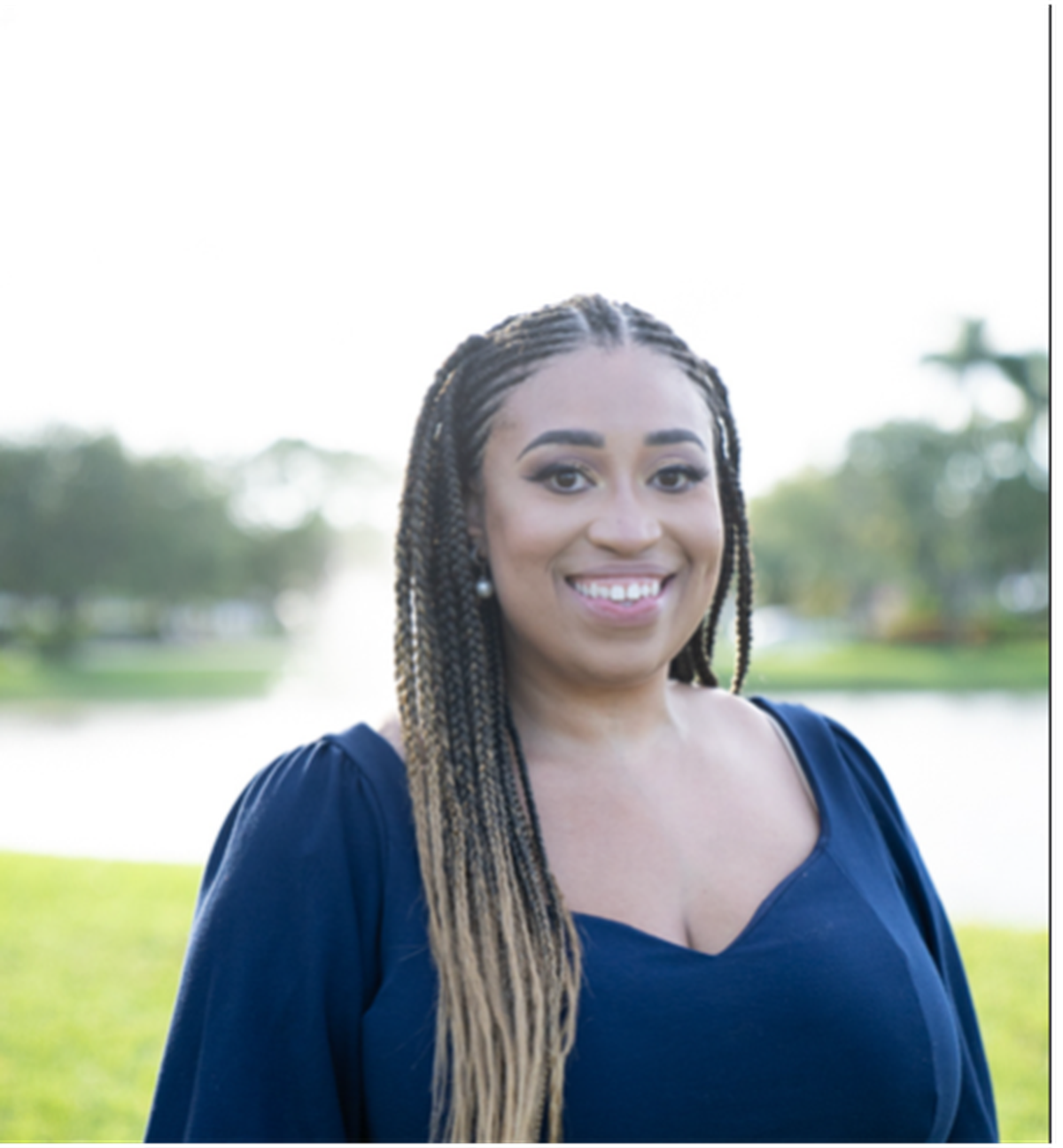
Dr. Brittney Butler is a social epidemiologist, FXB Health and Human Rights fellow and David E. Bell fellow at Harvard University, and current president of the Society for the Analysis of African American Public Health Issues.
This story was originally published April 7, 2022 at 3:59 PM.