
What happens when poetry meets drag? Let’s all find out | Opinion
Recently, I asked my poet friend about why she teaches. She told me that creating connections is what’s most important to her since coming out of the pandemic of the past two years. Through teaching, she works to reestablish community.
That conversation stuck with me, leaving a surprising number of questions: Do I have community? Who is my community? Whom do I want to be in community with? Where does community exist? How could I build community? What is a connection I want?
I think a lot of us want to connect again, but do not know how.
A few days later, the so-called “don’t say gay” bill — HB 1557 — passed in the Florida Senate. This also stuck with me. How does a queer person create community? How does a queer person make community if their identity is erased? Where does a queer person go for community? What does it mean to be queer in a space that does not want to know you are there?
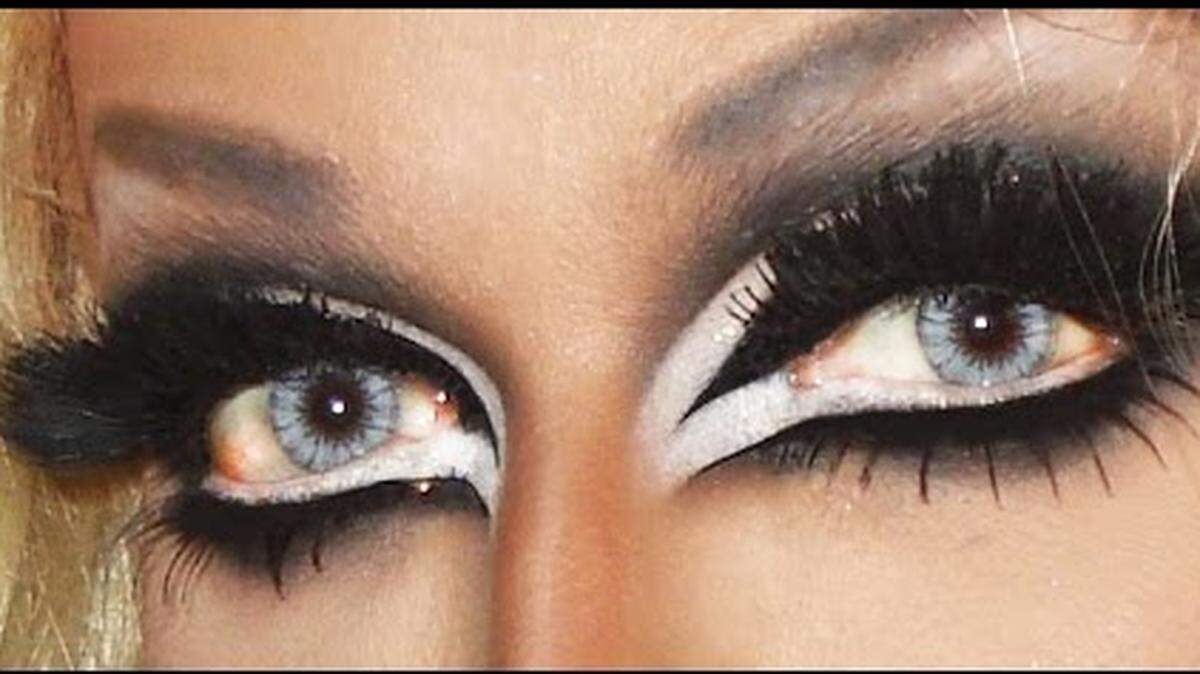
I am queer and have been doing drag in Miami for more than five years. It has been an outlet to express myself, make friendships and support myself financially when other work is difficult to access. I think a lot of drag performers do it for those reasons, especially the last. Not all employers want visibly queer people to work for them. Most drag performance is hidden away in bars or nightclubs, secluded from, but also for, the straight gaze. A lot of the parties and places that would hold these events slowed down or closed down during the pandemic, a heavy blow to the circuit of shows that used to keep us afloat and in contact.
When HB 1557 passed, it wasn’t really a surprise as much as it was a reminder that space for queer people in Miami, at best, is limited and, at worst, very unsafe. Drag occupies an outsider space. Institutions like it for entertainment during Pride celebrations, but won’t commission drag artists in their galleries or for their events the rest of the year. Fetishized, but looked down upon, drag stays in the shadows.
Poetry is also an alienated art form. Simultaneously deemed too intellectual by many audiences, it is also seen as frivolous by the higher institutions. Like drag, poetry is usually kept away in small cafes or intimate bookstore readings. This rejection by the mainstream is what makes poetry and drag similar. They both like to question reality; they both beautify and glorify the mundane; they both inherently challenge societal norms because they tell stories from perspectives usually overlooked; and they both love dramatic reinterpretations of events.
Their transitory nature, their forced alternative experience and their ingenuity make these two worlds so parallel. It makes you wonder: What would happen if we joined them?
As I reflected on my poet friend, the legislation and my own desire to be close to people, I decided that pushing the boundaries of drag and poetry could open new spaces for community to enter.
On April 22, in partnership with O, Miami Poetry Festival, a cast of local drag artists in collaboration with local poets invites the community to participate in an experimental show called Drag Poetry Slam, 7:30-10 p.m. April 22, at Tropotrope: Arts Learning Lab, 5712 NE Fourth Ave. in Miami. Reserve tickets at omiami.org.
Challenging the formulaic lip-syncs and spoken-word poem readings, it will be a night where artists bring their poetry to life in a theatrical drag show, incorporating dance, live music, prose and audience participation.
By creating space to connect over weird art we wish to also create space to be seen, to be heard, and to be human.
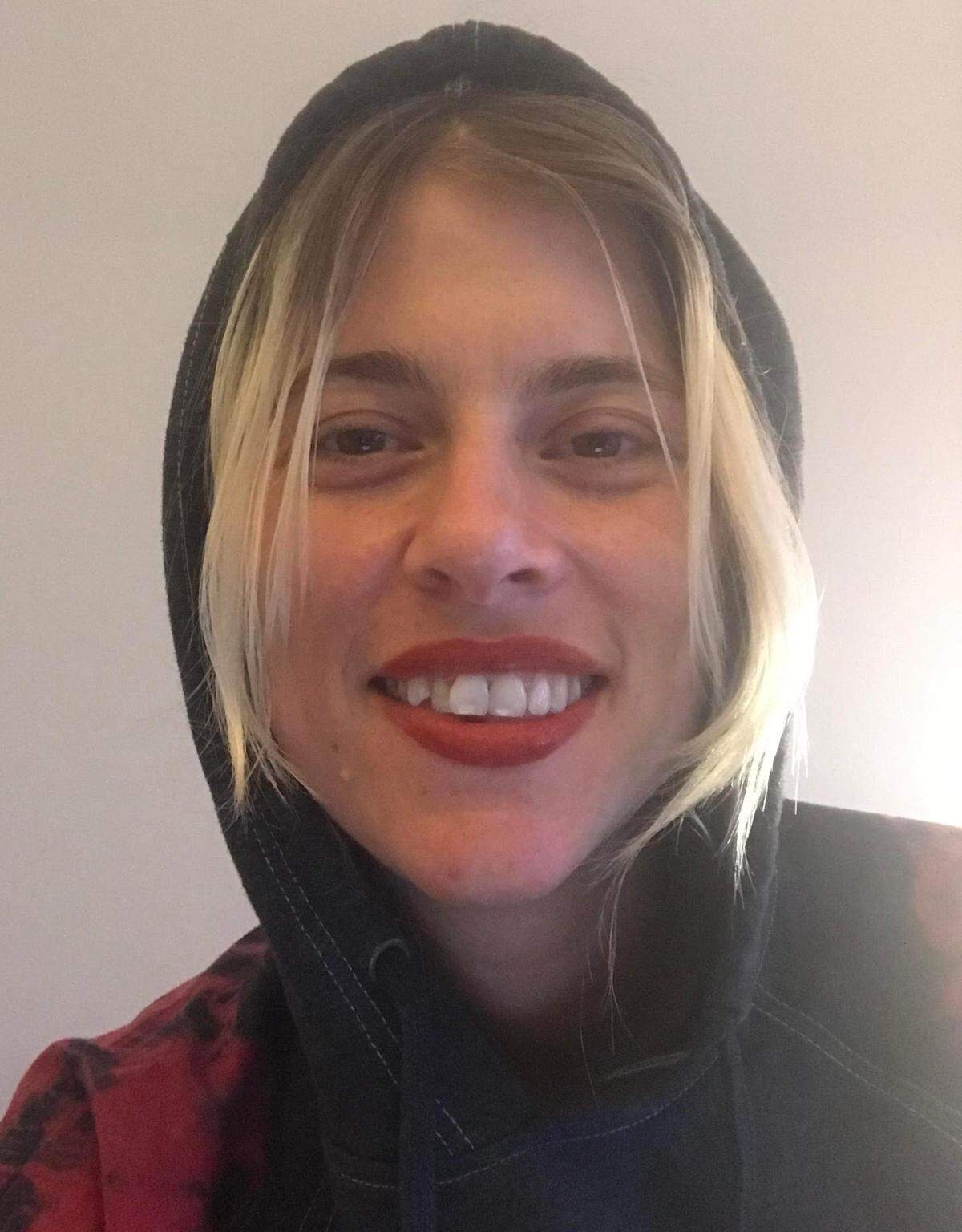
Cara Dodge, aka Ded Cooter, (they/them/theirs) is an artist and performer based in Miami, and Brooklyn, New York.
This story was originally published April 6, 2022 at 7:44 PM.