
When workplaces address employees’ mental health, they will save lives and costs | Opinion

The pandemic has taken a significant toll on everyone’s mental health — and the research proves it. The majority of employees say their job is the main source of their mental-health challenges, and 65.9% reported higher levels of stress since the outbreak.
Let that sink in. More than half of your colleagues or employees could be struggling with significant mental health issues as you read this.
Elevated levels of work overload and extreme burnout are rampant, especially in the healthcare community, as a result of the pandemic. Acute stress caused by the COVID-19 crisis has also triggered, and in many cases worsened, mental-health conditions such as insomnia, alcohol and substance abuse and chronic exhaustion.
We must rise to the occasion, prioritize workplace mental health and take intentional steps to destigmatize it at the office. Promoting well-being at work not only improves employee productivity, job performance, company culture and workforce recruitment and retention. It also reduces medical costs, lowers absenteeism and, most important, saves lives.
Supporting employees’ mental well-being is not just the right thing to do, it’s also good for the bottom line. A 2021 National Safety Council and University of Chicago analysis found that organizations that support mental health see a return of $4 for every dollar invested in mental health resources. The research also revealed that employees experiencing mental distress use, on average, nearly $3,000 more in healthcare services per year than their peers.
Workers are increasingly needing and demanding additional support from their employers and leaving if they do not receive it. According to Qualtrics data, half of employees say they have voluntarily or involuntarily left a previous role due, in part, to mental-health reasons — a 47% increase from 2019. This percentage was even higher for millennials (68%) and Gen Zers (81%), who together represent the largest demographic in the workforce. Not to mention the financial cost of high employee turnover: It’s estimated that losing a full-time employee can cost a company one half to two times the employee’s annual salary — and that’s on the low end of the range — according to Gallup.
There is no health without mental health, and failing to tackle this critical issue goes beyond monetary costs. Businesses have an ethical responsibility to extend support and provide resources to those in need.
In doing our part to assist individuals and businesses in addressing this challenge, Florida Blue has expanded its collection of holistic, self-help tools for members. From the Better You Strides online wellness and rewards program to meQuilibrium — which uses insights driven by data to help people build resilience and reduce stress.
The trends we’re seeing are promising. In 2021, we focused on increasing engagement among Florida Blue members and employees with our current, digital mental and behavioral health platforms and saw an increase in participation of 37%.
We’re also dedicated to improving access to mental-health services in underserved communities and reducing the stigma associated with them. In January, the Florida Blue Foundation awarded $3.8 million in grants to 12 nonprofit organizations across the state addressing mental well-being in children, families and seniors in innovative and creative ways. Over the past five years, we’ve invested more than $12.7 million community-based solutions to address mental well-being.
We often think of our mind and body as separate, but mental health and physical health are interconnected. There cannot be a one-size-fits-all approach to healthcare. Our fast-changing healthcare environment requires holistic solutions tailored to the needs of communities and individuals.
Coming out of the pandemic, Floridians are facing unique challenges when it comes to their physical and mental health. With four in 10 Floridians receiving their healthcare coverage through employer-sponsored insurance plans, businesses across the state can improve access to care and deliver better resources to their employees — and reap the benefits.
It’s encouraging to see Florida businesses addressing mental health and recognizing the fundamental role it plays not only in improving productivity, but in nurturing the kind of healthy, thriving state and communities in which we all want to live.
Well-being in the workplace cannot be an afterthought. By seizing this critical moment and putting our words into action, we can be a driving force for real, lasting and meaningful change.
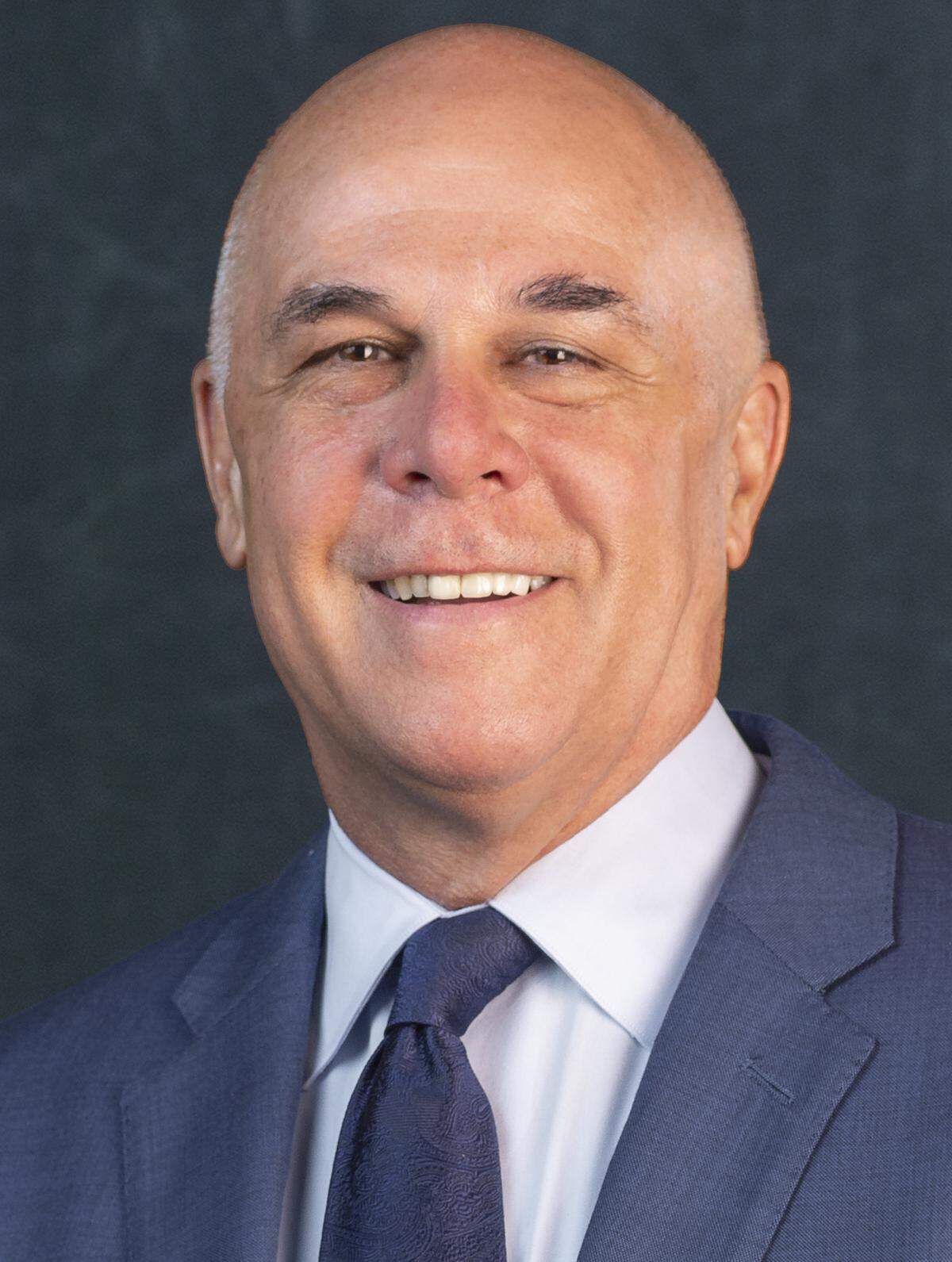
Pat Geraghty is president & CEO of GuideWell & Florida Blue.
This story was originally published March 28, 2022 at 6:11 PM.