
With COVID in the rearview mirror, it’s time to resume your regular healthcare checkups | Opinion
COVID-19 has been catastrophic on nearly every measure. Even if you emerge from the pandemic unscathed, the chance that you may have undetected conditions still remains — especially if you have postponed or had regular medical visits canceled.
Debilitating, sometimes fatal, diseases and disorders often are impossible to notice without medical assistance that established, routine care can uncover. Too many people have surrendered a couple of years of care that could have prevented many downstream problems.
The number of missed appointments back in 2020 was startling. In April of that year, 97% of medical practices had noticeable drops in patient volume, with patients citing fear of the coronavirus as the reason for postponing care. A January 2021 report in the Journal of American Medical Association confirms that fear of COVID-19, as well as a drop in insurance coverage because of lost jobs, contributed to deferred medical care. Of the individuals who reported needing care, 52% reported forgoing or skipping it. That is dangerously high.
Deferring medical care is not something to take lightly; it can have serious financial and health implications, with higher costs and suboptimal outcomes as patients seek to address conditions that have been left to worsen. For example, the National Cancer Institute predicts that the United States could see an extra 10,000 deaths from breast and colorectal cancer alone over the next decade because of deferred care during the pandemic. Many other ailments can worsen too, especially those that can, with early detection, be treatable.
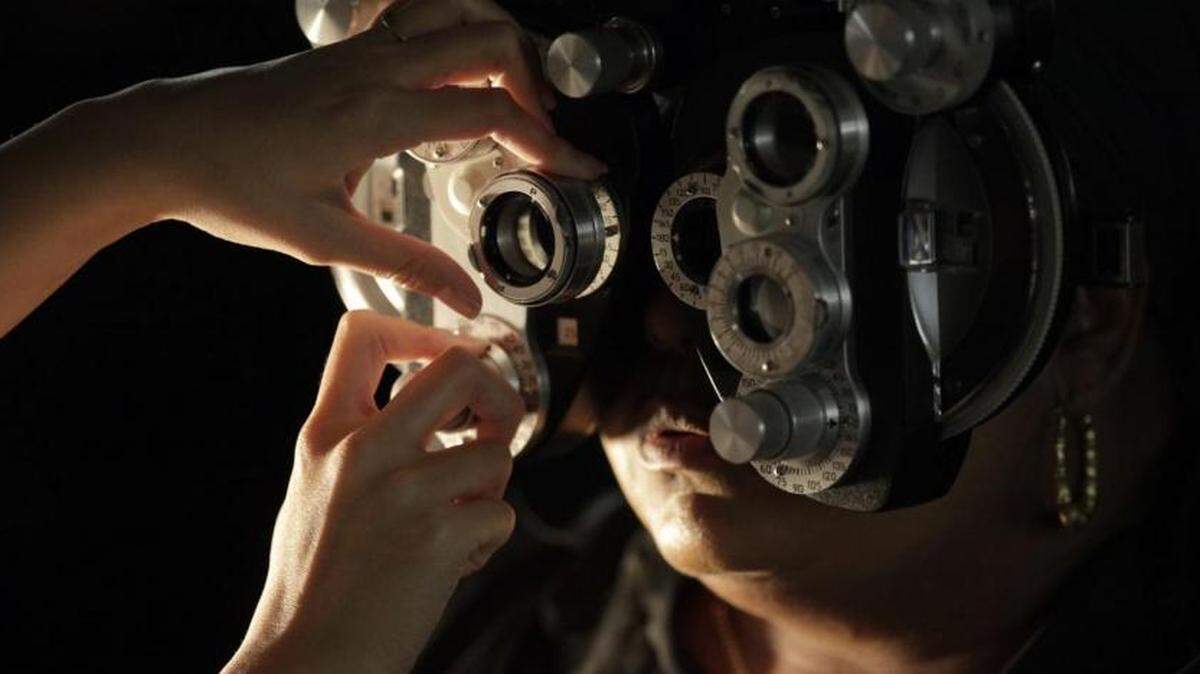
In vision care, routine eye exams can uncover a host of potentially debilitating conditions. The tragedy here is that many of these conditions have no cure, such as glaucoma and age-related macular degeneration (AMD). Glaucoma is a group of eye diseases that can cause vision loss and blindness by damaging your optic nerve located in the back of the eyes. At first, glaucoma usually has no symptoms. That’s why half of people don’t even know they have it until they’ve been properly screened for it.
Despite the absence of a cure for glaucoma, preventive medicine has a marked effect on the progression on this disease. Early intervention can save one’s eyesight, enable better management of the disease and even prevent vision loss and blindness altogether.
Today, barring the emergence of an especially lethal new variant of COVID-19, we are very close to turning the corner on this virus. That’s not to say that it will be eradicated, but, rather, we will reach a level where its effects can be more safely managed. If current trends persist, a return to something like normal is fast approaching, as the expected winter spike turns the corner.
A part of the return to normal is to reestablish routine contact with the healthcare community. That means all the regularly scheduled events that were skipped during the pandemic: check-ups with dentists, primary-care physicians and, yes, annual visits for eye exams, need to be resumed as soon as possible, if not already.
Loosening restrictions on telehealth, advances in medical technology and new forms of diagnostic testing make getting ahead of health problems easier than ever. The marriage of augmented/virtual reality and diagnostic tools, especially in eye care, lets patients intervene long before the worst effects of disease are realized. A recent study finds that retinal exams can provide evidence of other disorders like cancer or heart disease, which can lead to premature death.
One might think the problem of deferred care is strictly a personal one, but this goes beyond any individual concern and has important societal implications. The pandemic’s effects on already-vulnerable populations have exposed enormous inequities in how we treat many minority and ethnic populations, with people of color doing markedly worse on almost every outcome measure. Closing the gap will mean making targeted and concerted efforts to help those in need.
While it may be too early to breathe a sigh of relief on COVID-19, it’s not too early to prepare for a healthier future. That means resuming and rescheduling normal health maintenance check-ups and visits. If you are at special risk for preventable disorders like glaucoma or AMD, or have experienced any changes to your vision, however imperceptible, get screened today.
Don’t let the pandemic prevent you from getting the testing and care you need.
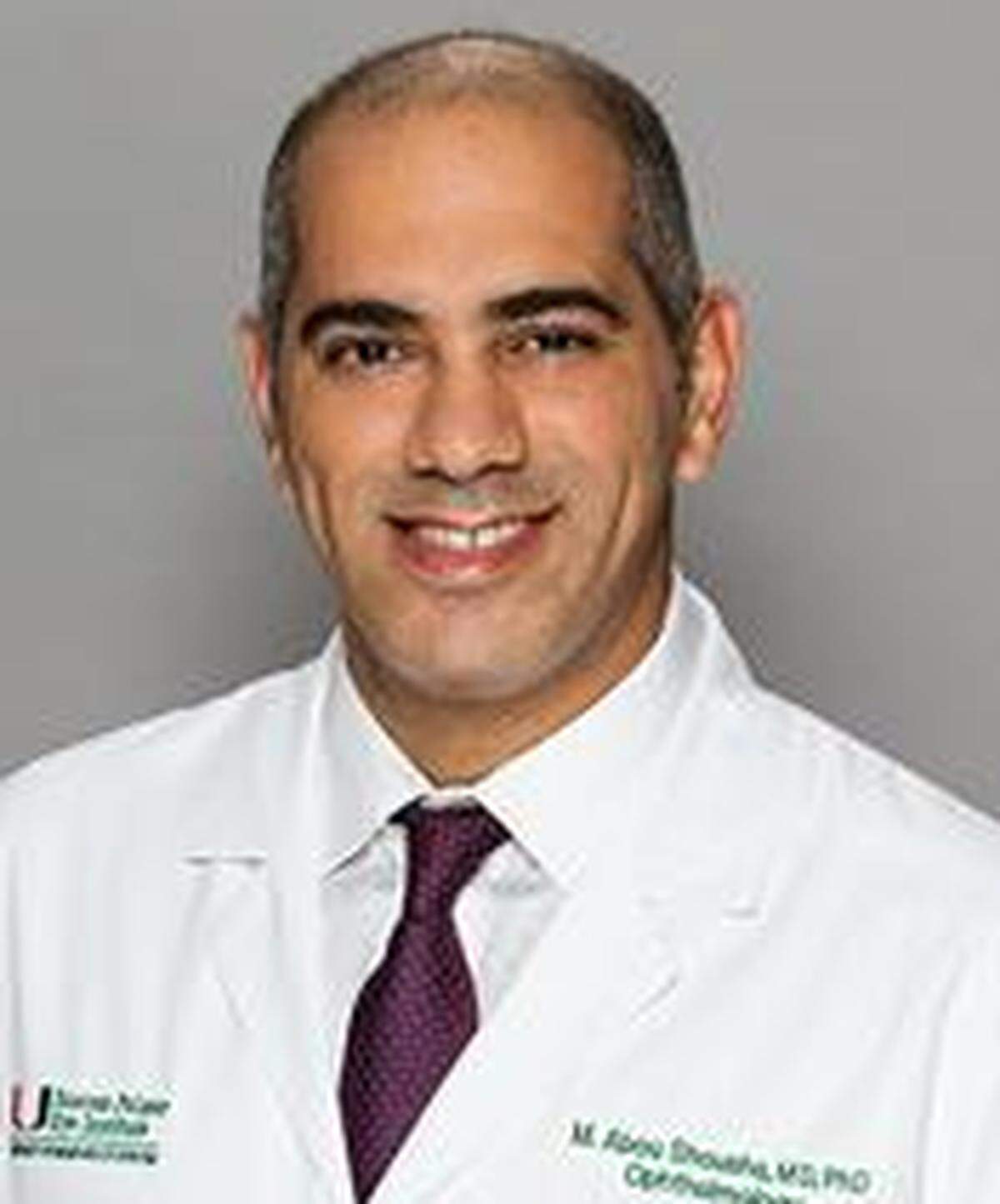
Mohamed Abou Shousha, MD, Ph.D., is a doctor at the Bascom Palmer Eye Institute in Miami and CEO of Heru.
This story was originally published March 17, 2022 at 8:36 PM.