The IRS must be properly funded. Then, maybe people won’t hate it as much | Opinion
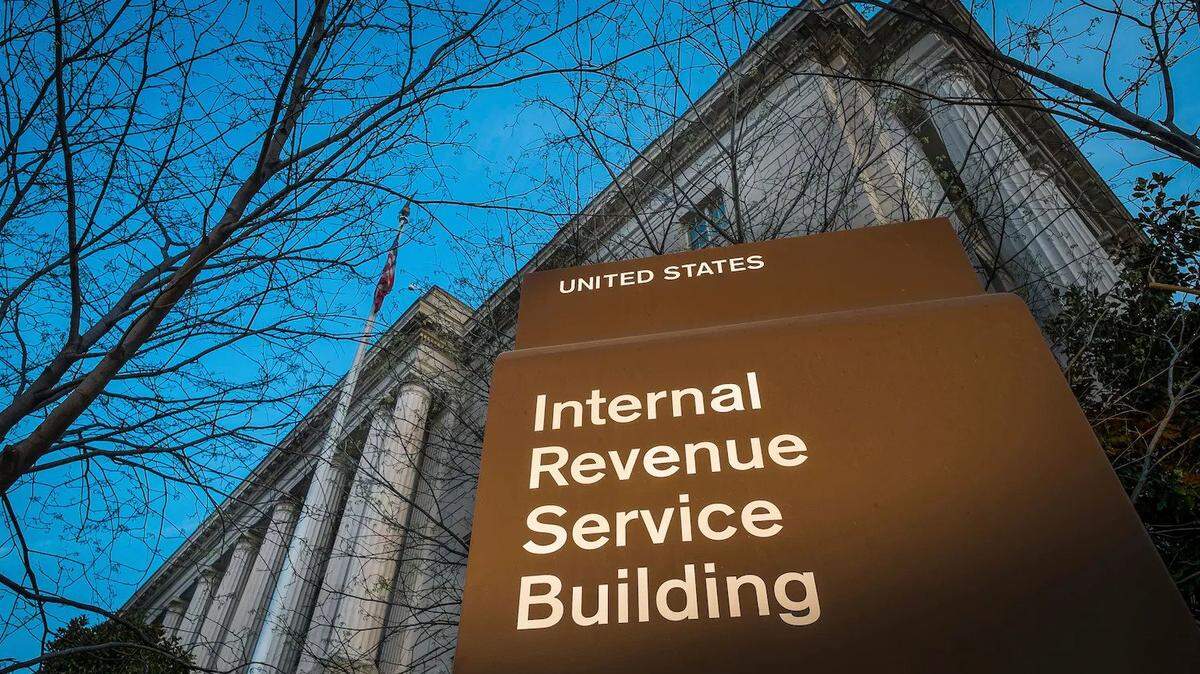
Taxpayers “love to hate” the Internal Revenue Service, but starving it to death is bad for the country.
The Biden administration’s Build Back Better legislation, which includes critically needed funding for the IRS, now is in limbo. President Biden has promised to fashion a stripped-down bill that can pass in Congress. It is imperative that this funding be approved. Otherwise the IRS’ ability to do its job could grind to a halt.
Funding for the IRS has decreased by 20% since 2010 alone, while tax returns filed have increased more than 13%. Meanwhile, the tax code gets more complex by the year; experienced IRS personnel are retiring and not being replaced; and COVID-related burdens — sending out millions of stimulus payments and monthly childcare allowances, for example — have pushed the IRS to its breaking point.
There are several reasons why an underfunded, understaffed IRS is hurting the country. First, today’s IRS, already dealing with a backlog of millions of unprocessed returns and taxpayer correspondence, received 280 million calls in 2021, of which only 11% were answered. Taxpayers need, and are entitled to, better customer service than that, especially when it comes to correctly filing one’s tax returns.
Second, IRS studies have documented rampant tax evasion. The so-called “tax gap,” the difference between taxes that are legally owed but go unpaid, is approximately $600 billion a year and growing. Over 10 years, the cumulative “tax gap” will be a staggering $7 trillion.
This tax cheating occurs largely with upper-income taxpayers, usually businesses organized as partnerships or proprietorships, for which there is no “third party” reporting of revenue earned. This does not occur with lower- and middle-income taxpayers who earn salaries and perhaps interest, dividends and even capital gains on securities transactions, all of which are reported to the IRS and properly taxed.
Thus, the cheating contributes substantially to income and wealth inequality resulting in an unfair tax system that places an undue burden on lower-income taxpayers.
Only an IRS that is fully staffed with a workforce of highly trained revenue agents and equipped with 21st century technology, including artificial intelligence, could possibly begin to whittle down the “tax gap,” relieving pressure on the federal budget and the national debt. A wealth of information on the “tax gap”, including detailed analyses of its derivation and steps that must be taken over time to reduce it, can be seen at shrinkthetaxgap.com, a website run by two former IRS commissioners, a tax lawyer and a former IRS associate chief information officer.
Finally, a properly staffed and resourced IRS would help to restore confidence in government. Numerous studies have shown that an increasing share of Americans has lost faith in the ability of government to solve everyday problems. For most people, the IRS looms large. Charged with collecting all the revenue required to fund the government, the IRS is the most important, and often the only, agency that the typical person must interact with on an annual basis.
An IRS that provides thorough, prompt and professional assistance to taxpayers and at the same time increases revenues by reducing cheating by upper-income taxpayers, would contribute enormously to confidence in government.
In addition to improving customer service, properly funding the IRS will raise significant revenue for a range of national spending priorities. Congress’ official scorekeeper, the Congressional Budget Office, determined that funding the IRS will generate hundreds of billions in revenue over 10 years above what it will cost to strengthen the agency through hiring, training and technology implementation.
As a businessman, I can get behind that kind of investment.
Properly funding the IRS should not be a partisan issue. Let’s make sure that whatever form the Build Back legislation takes, the administration’s plans to fund the IRS are included. It will take time to strengthen tax enforcement, but taxpayers need and deserve an IRS that works for them and not against them.
If that happens, maybe they’ll no longer hate it.
Alexander R.M. Boyle is the former vice chairman of the Chevy Chase Bank.
©2022 The Baltimore Sun