
We’re carrying out our mission to save lives on the Ukrainian border | Opinion
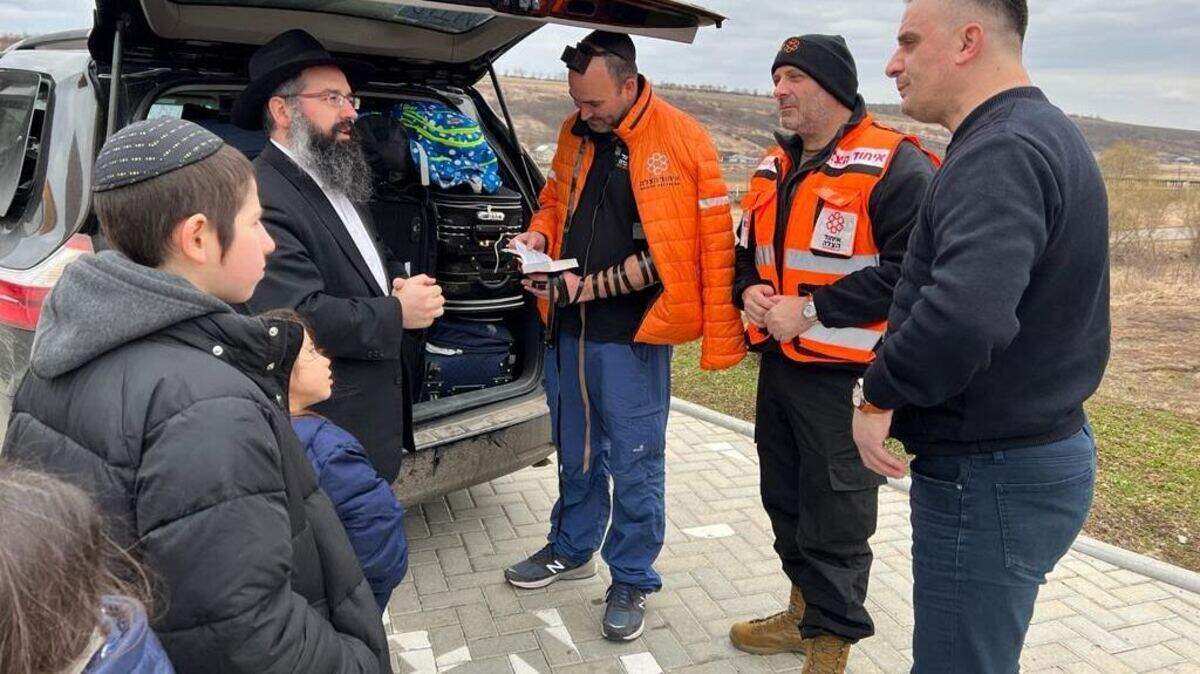
CHISINAU, Moldova — I am a Miami-based physician with a specialty in internal medicine. I work both as a primary-care practitioner as well as a hospital physician.
I am currently in the capital city of Moldova, with United Hatzalah of Israel, an organization with which I volunteer on international disaster missions. I am here with my two sons, Mordechai, who is the director of operations and medical support for Global-Med, and Avrohom, who is our head logistical officer and also provides medical support.
When we heard from United Hatzalah about its mission to the Ukrainian-Moldovan border, we knew we had to take part. The war had just begun, and the humanitarian crisis was already looming. Within hours, we mobilized ourselves and our equipment from Miami, then traveled for more than 32 hours, stopping in Frankfurt, Germany; Bucharest, Romania; Iasi, Romania; and, finally, Chisinau in Moldova.
We arrived ahead of the Israeli contingent from United Hatzalah and began laying the groundwork for our mission. One of the most important aspects was to set up a command center that would let us incorporate operations, medical, logistics and communications, all in one location.
As with any refugee situation, one of the most important aspects of proper situation/scene management is fact-finding with regard to displaced persons. We needed to find out where they were located, what their current living conditions were and whether they had any urgent or chronic medical needs.
We began mapping out the city and locating where the shelters were. We arranged meetings with local community leaders to help us coordinate our efforts and gain their assistance in providing the proper medical and psychological care for the displaced persons.
Upon the arrival of United Hatzalah of Israel’s advance team, we joined forces and our effectiveness grew exponentially. Suddenly, we were a team of 15 people instead of three, which included some dedicated logistics, operation, and advanced life support team members.
We established two displaced-persons centers and began initial intervention and treatment at each. We also began to build a displaced/missing persons database. That way we would be able to connect refugees who were separated from one another and provide continuous care to those requiring more than one visit or examination.
Our next task was to establish a processing center for constant patient intake and incoming displaced persons. Having completed this task, we established an on-site command center and treatment center for acute and chronic medical and psychological conditions, allowing us to provide immediate intervention and treatment in acute cases.
Together with telemedicine technologies brought from Israel, we obtained greater insight into patients’ conditions and evolving developments almost immediately, more accurately guiding assessment-based direction and treatment. Also on hand are basic ultrasound capabilities that are being used in the management of obstetrical emergencies.
Most of the injuries that we have encountered range from cardiac emergencies, acute myocardial infarction, abnormal cardiac electrical activity, diabetic emergencies and complications, pediatric illness, prenatal/perinatal obstetrics, dehydration, infections, abscesses, minor to moderate traumas and, of course, illnesses caused by the cold, such as hypothermia and frostbite.
The treatment we provide in Chisinau is not only basic emergency medical intervention or that of preventive and chronic condition management; we are also incorporating management and treatment of illnesses and hospital-style intervention.
In one case, a 60-year-old man from Uman with uncontrolled diabetes was being treated at the local hospital for a complicated necrotic tissue infection. He had to be discharged because of the war. United Hatzalah members from the Ukraine branch transported him to a hospital in Odessa, where his condition required surgical intervention. The patient subsequently was moved from Ukraine into Moldova so he could continue treatment in a safe location. Once in Chisinau, the patient received around-the-clock supervision, treatment, fluids and diabetes control until he was evacuated back to Israel on United Hatzalah’s rescue flight.
In another instance, a large family from deep within Ukraine was traveling with a pregnant woman suffering from dehydration and exhaustion. When they arrived at the border we quickly brought her to our field hospital, where she was managed for several hours under IV treatment, then transported out of the country.
We knew early on that we were going to need more supplies than what the initial team from Israel brought, so we established a continuous supply line that would adapt to our needs in the field. United Hatzalah chartered a plane from Israel, which arrived in Romania with an additional 40 medical personnel, all volunteers who left their families to help the refugees here.
Our next task was to make sure we weren’t sitting around waiting for the displaced persons to come to us — we had to go to them. We dispatched teams to go to displaced-persons encampments, including hotels, schools, shelters and border crossings. Our aim is to provide medical treatment, as well as emotional and psychological intervention and humanitarian aid, to any and all those in need regardless of race or religion.
I am exhausted, but eager to continue my work helping Ukrainian refugees in the days and weeks to come if needed.
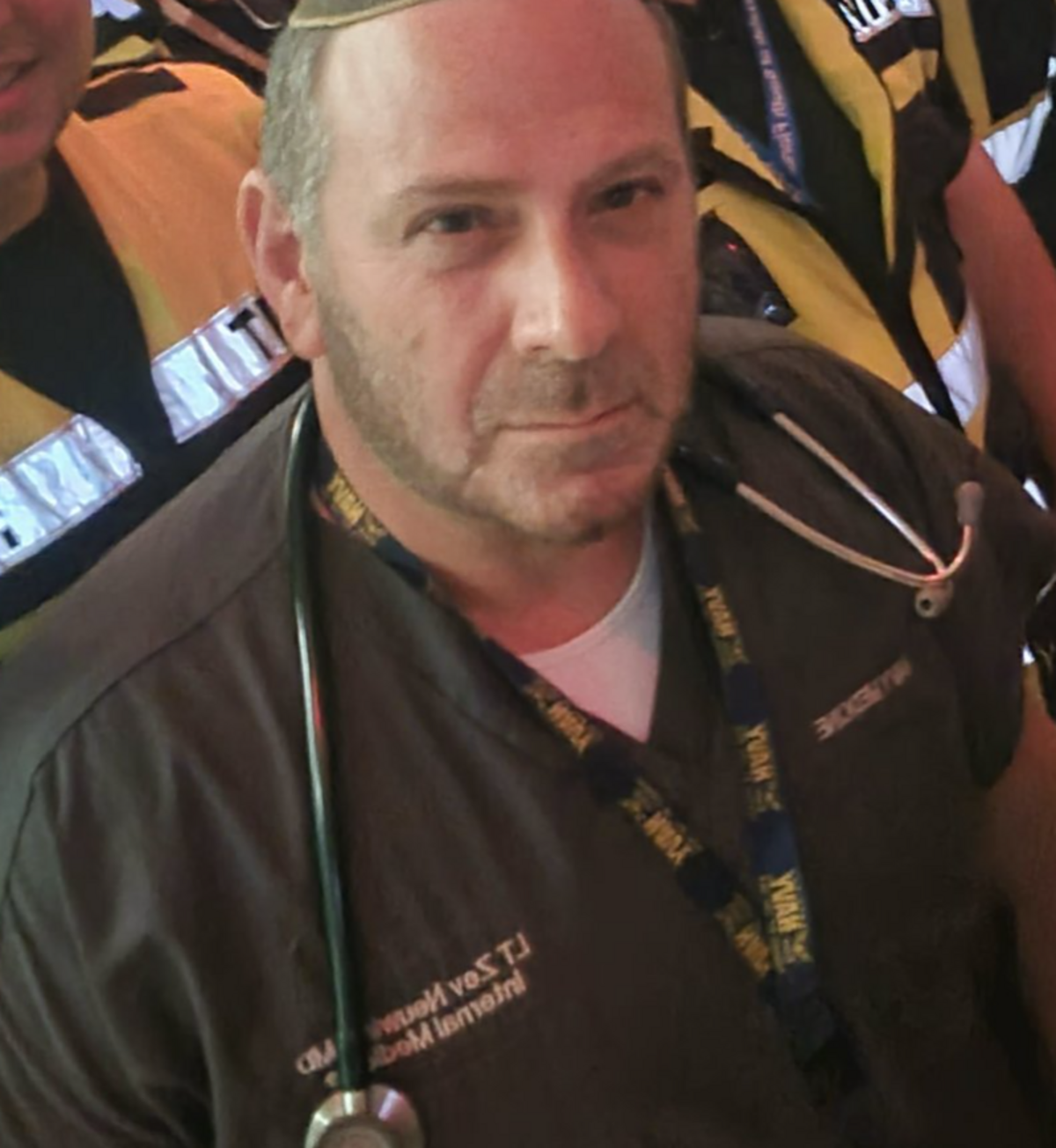
Dr. Zev Neuwirth is a Miami-based physician.
This story was originally published March 10, 2022 at 11:00 AM.