Legislators must protect Florida’s most precious resource — our water | Opinion
The sugar industry tried to steal your water at the expense of our beaches, fishing and the future of Everglades restoration.
Thanks to an outpouring of opposition — led by The Everglades Foundation, Captains for Clean Water, business owners and hundreds of fishing guides — and the intervention of Gov. Ron DeSantis in February, the worst parts of the sugar industry’s latest sneak attack have been taken out of Senate Bill (SB) 2508.
Now the Florida House must stand strong in the budget-negotiation process and not allow language in the Senate’s version that conditions hundreds of millions of dollars of Everglades-restoration funding on the passage of SB 2508. Even pared down, SB 2508 would hinder Everglades restoration by locking in outdated Lake Okeechobee drought rules, giving Big Sugar priority for water during drought.
What’s at stake is the water we drink, the beaches we love, the fishing we enjoy and the Everglades that each year draws millions here from all over the world.
Big Sugar wants water, lots of it — more than it actually needs. Sugarcane uses massive amounts of fresh water to harvest. According to the Water Footprint Network, it takes more than 213 gallons of water to produce a single pound of refined sugar from cane.
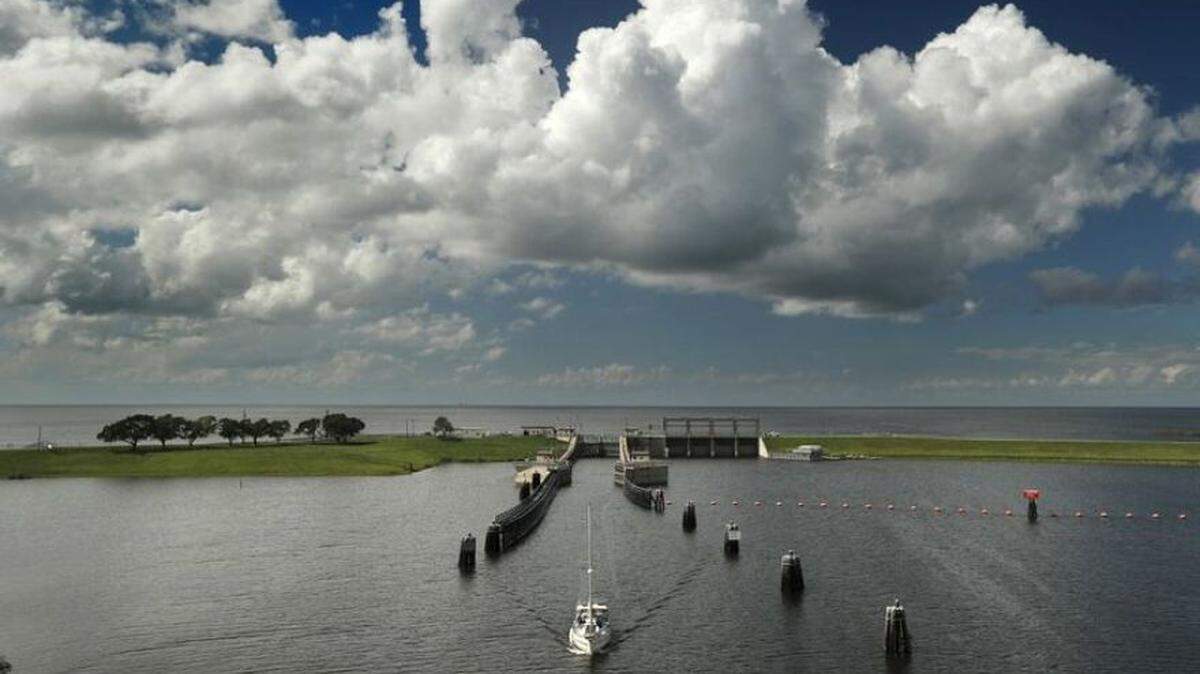
That’s why the sugar industry wants water levels in Lake Okeechobee kept as high as possible, utilizing the lake as its private reservoir. Unfortunately, stacking more water in the lake for the sugar industry results in a greater likelihood of harmful discharges that lead to toxic blue-green algae, closed beaches, restricted fishing, dead sea life and devastated coastal economies, ruining the very thing that drives Florida’s economy.
According to a 2020 report by the Florida Chamber of Commerce, agriculture, of which the sugar industry is a small part, employs less than 1% of Florida’s population and contributes approximately 1% to Florida’s GDP. Clean, water-dependent industries , however, such as real estate, tourism and recreation, represented 23% of the GDP and 16% of employment.
Instead of sitting in Lake Okeechobee as the security blanket for the sugar industry, that water is desperately needed to recharge the Biscayne Aquifer — the source of Miami’s drinking water.
Sending lake water south not only reduces the likelihood of harmful discharges to coastal communities, but it will nourish America’s Everglades, which is so drought-stricken in the dry season that it is prone to wildfires. It will also restore Florida Bay, the “Fishing Capital of the World,” by balancing the salinity needed for seagrass growth to keep its fisheries healthy.
After years of environmental harm because of blue-green algae, canceled fishing trips and rental reservations, Floridians have had it. Within hours of SB 2508 being introduced, thousands were giving legislators a piece of their minds.
Led by fishing guides and the hospitality and real-estate industries, Floridians made clear that they are tired of the sugar industry treating our waterways as a toilet, and they demanded that Everglades restoration move forward.
During the past two weeks of House and Senate budget meetings, legislators should find the courage to stand up for clean water and the Everglades. Senators gave public assurances that the remaining harmful language in SB 2508 will be removed.
Let’s make sure they follow through. After all, this is everyone’s water, and we need to make sure it is protected.
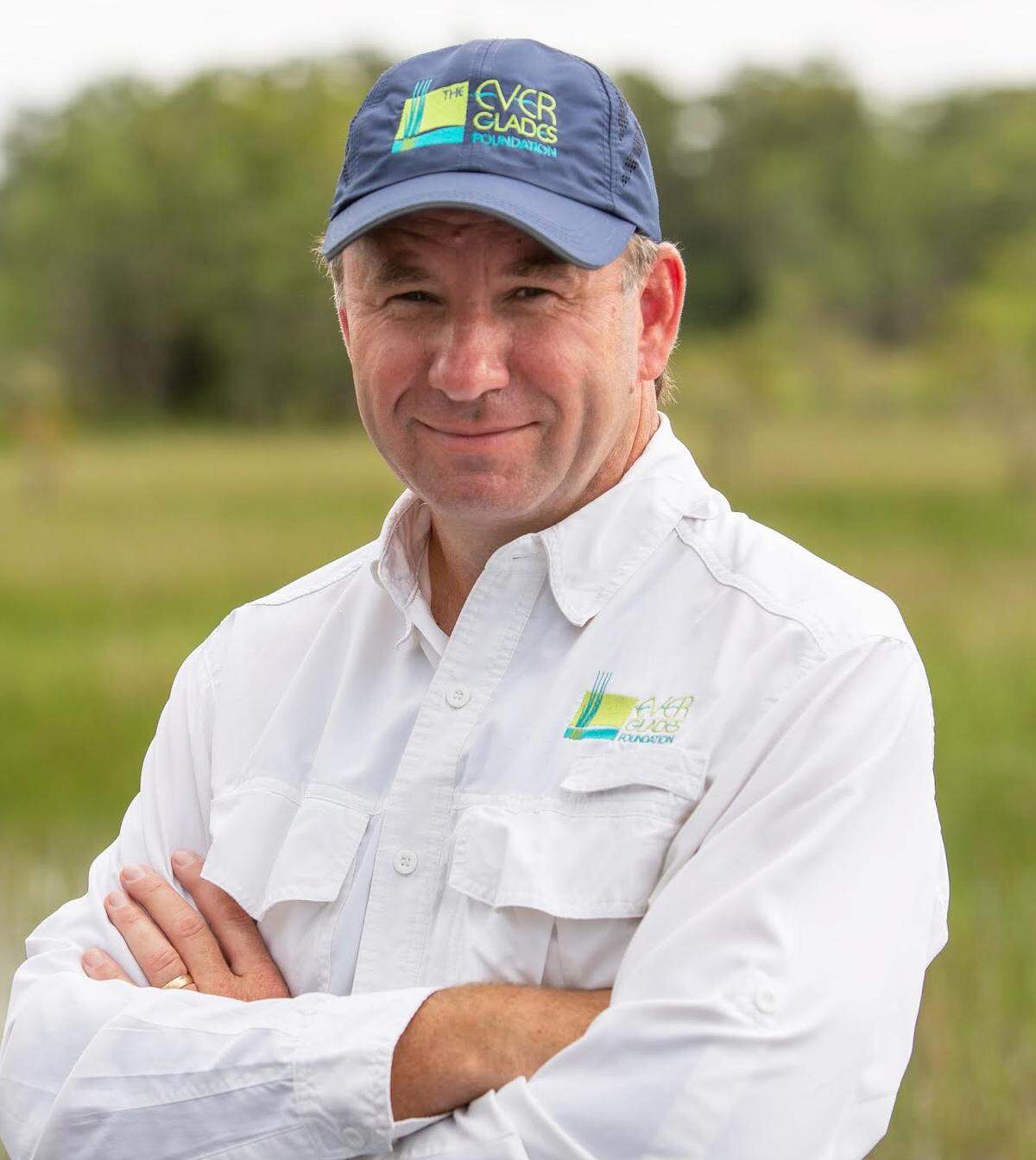
Eric Eikenberg is CEO of The Everglades Foundation.