
Phase out polystyrene plastics, for the good of Florida’s people and marine life | Opinion
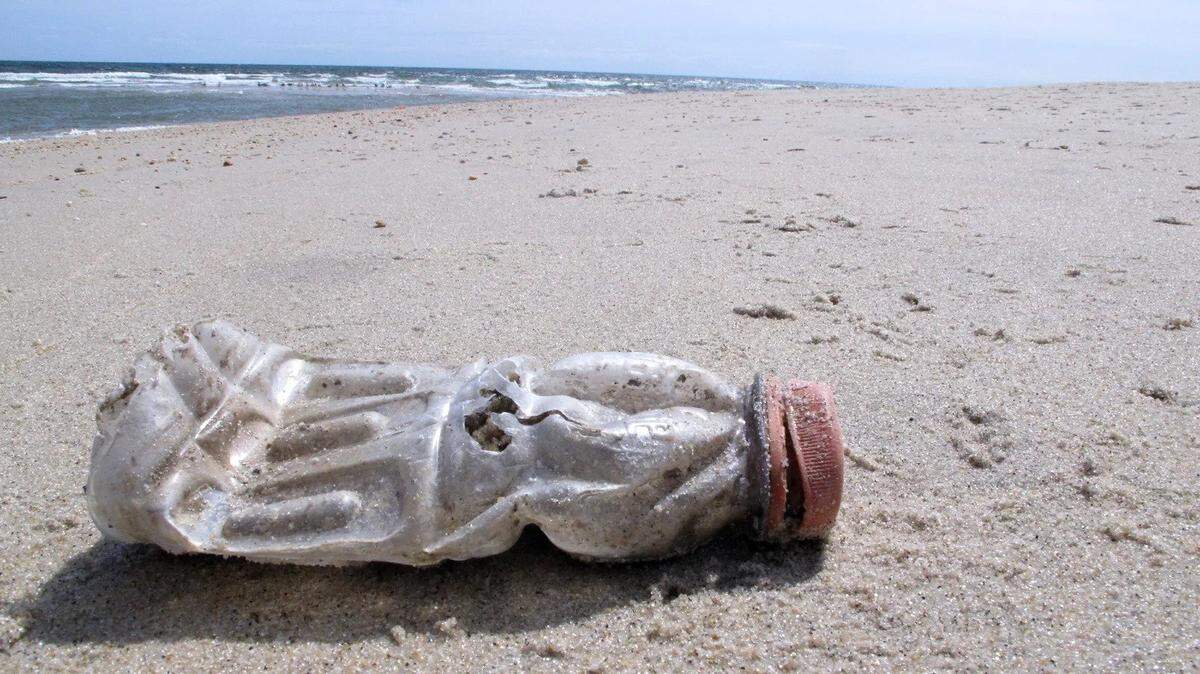
It’s no secret that the world has a plastic problem.
Thirty-three billion pounds of plastic enter the Earth’s oceans every year — that’s like dumping two garbage trucks full of plastic into our oceans every single minute. There isn’t a place on the planet untouched by plastic, from Arctic sea ice, to the deepest ocean trenches, to the most remote mountains.
Most people are familiar with the sight of sea turtles strangled by plastic. More than 900 species of marine animals have been affected by plastic pollution over the past decade. An Oceana report found that, among the almost 1,800 marine mammals and sea turtles that had swallowed or become entangled in plastic in U.S. waters between 2009 and 2020, 88% were either endangered or threatened under the Endangered Species Act.
Yet the greatest risk may not be from plastic we can see. Roughly 51 trillion particles of microplastics — plastics that break into progressively smaller pieces in the water — fill our oceans. And that’s as of nearly a decade ago. If nothing changes, ocean plastic is expected to triple by 2040. Meanwhile, plastic production is also on pace to triple in the coming decades.
This problem hits close to home. Of all the marine mammal cases included in Oceana’s analysis, 75% involved the threatened Florida manatee. One manatee was found entangled in a plastic strap for roughly two years, cutting a 10-centimeter wound into its body, while others were found with plastic straws, bags, strings, fishing lines, balloons and ribbons in their bellies. Nearly 40% of plastic produced today is for single-use products and packaging, which is exactly what we’re seeing in Florida’s animal-rescue cases and along the state’s coasts.
Visit just about any beach in Florida, and you’ll find plastic foam takeout boxes, cups and other waste scattered across the sand and washing up on the shore. This not only poses environmental hazards and costs taxpayers billions in cleanup costs, it also harms our health. We are eating, breathing and drinking plastic, with the risk to our bodies becoming more evident each day.
Polystyrene, the synthetic substance that makes up plastic foam and other plastics, is used in a wide range of consumer products, including those from which we eat and drink. Far from benign, the building blocks of polystyrene are likely to cause cancer, according to independent researchers, and plastic’s chemical additives are increasingly linked to respiratory issues, reproductive health problems and organ damage. Polystyrene food packaging may be cheap, but the packaging designed to keep our food safe is now known to leach toxic chemicals into that food.
This is extremely concerning — and, thankfully, avoidable.
Last fall, the Florida Department of Agriculture and Consumer Services announced rulemaking to phase out the use of polystyrene food packaging at the 40,000 Florida grocery stores, convenience stores, food markets, and gas stations it regulates. The plan to reduce polystyrene’s use until reaching zero this decade has been hailed by health experts, sustainable business leaders and environmental advocates, including Oceana.
This proposal will also spur growth in an already fast-growing new industry of alternative, sustainable, and reusable packaging. With the sustainable-packaging market expected to reach more than $470 billion by 2027, the opportunity for Florida-based companies to develop new reusable products and systems, create good new green jobs and investment, and supply Florida retailers with the next generation of safe, effective food packaging is too compelling to miss out on.
The Department of Agriculture’s proposed phaseout rule now rests with the Florida Legislature. We ask that Florida’s Senate president, House speaker and legislative leadership bring this rule forward for ratification as soon as possible. Well within the Department’s regulatory authority, it’s a good, common-sense, pro-health, and pro-environment idea.
Microplastics are found in the oceans on which we all rely, in the animals who call those oceans home and, now, in the fruit, vegetables, meat, seafood, beverages, condiments and other foods we serve our families.
While we can’t change the pollution of the past, we can make smarter, healthier, more environmentally and economically sound decisions today that can save our future. Florida’s lawmakers have the opportunity to deliver wins for consumers, their health, the environment and the economy with one vote to phase out polystyrene.
Nikki Fried is Florida’s commissioner of Agriculture and Consumer Services. She is a candidate for Florida governor. Hunter Miller is the Florida Gulf Coast field representative for Oceana, the largest international ocean conservation advocacy organization.

This story was originally published February 28, 2022 at 3:56 PM.