Florida should improve health of children and families, not limit access to abortion | Opinion
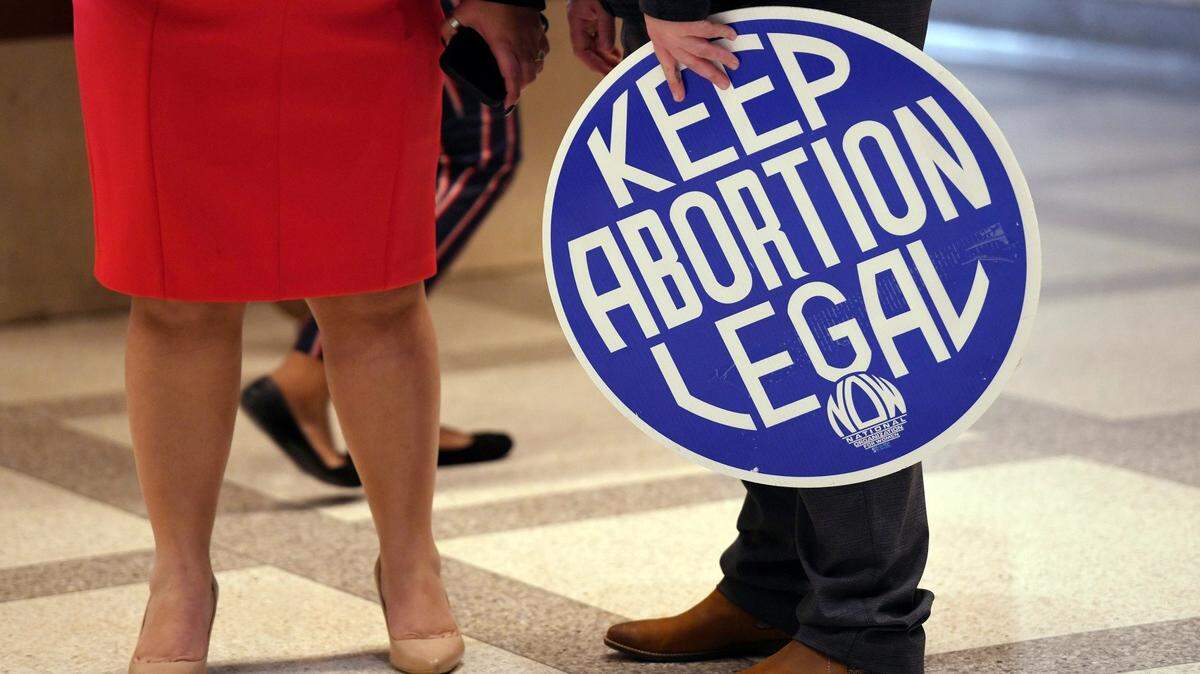
The Florida Legislature is fast tracking legislation to deny basic healthcare to the state’s nearly 4 million women of child-bearing age. HB 5/SB 146, which would ban abortions in our state after 15 weeks, provides no exception for cases of rape, incest or human trafficking.
The hypocrisy of the rhetoric propping up this bill is hard to stomach, given all we’ve witnessed in recent months. Gov. Ron DeSantis extols Florida as the most free state in the nation, heeding calls of “my body, my choice” by those who oppose restrictions meant to curb a pandemic. At the same time, those asking for the government to stay out of the most intimate, the most private of decisions, were given 30 seconds, in one recent House hearing, to give testimony.
As clearly stated by the American College of Obstetricians and Gynecologists: “Induced abortion is an essential component of women’s healthcare. Like all medical matters, decisions regarding abortion should be made by patients in consultation with their healthcare providers and without undue interference by outside parties. Personal decision-making by women and their doctors should not be replaced by political ideology.”
And contrary to the bill sponsors’ claims that 15 weeks is ample opportunity to get an abortion, in reality, many people may be unaware they are pregnant until later than that time frame. This may be especially true for young people, those who become pregnant despite being on birth control or those with irregular menstrual cycles. This bill would rob these people of a freedom protected by both our state and federal constitutions.
Should those capable of becoming pregnant be so unlucky as to seek an abortion after 15 weeks’ gestation, they will be forced to travel to North Carolina to access this basic form of healthcare. This trip, almost 800 miles from Miami to Wilmington, will pose numerous challenges: getting time off from work, securing the costs of gas or airfare and a hotel, arranging for childcare. As a result — and as has always been the case with abortion restrictions — this ban will disparately harm low-income people, people of color, LGBTQI individuals and young people.
Florida’s efforts follow a familiar, but no less painful, playbook. Since Texas implemented its draconian abortion ban last year, we have listened to the voices of women desperate to find a way to a neighboring state; panicked at the prospect of being forced into a future they have not chosen. The voices of these women mirror those of people everywhere who seek to terminate a pregnancy.
In one study of almost 1,000 women, four dominant themes for why women sought abortion care emerged: financial reasons, timing, partner-related reasons and the need to focus on other children. About 75% of women who choose to have abortions are in a low-income bracket, and 59% already have children.
These concerns of pregnant people represent an intuitive understanding of, in public-health terms, the social determinants of health. Poverty, lack of access to affordable childcare, lack of paid parental leave, domestic violence-- these are all social determinants of health. Given the scarcity of supports we offer to parents and families, abortion should be understood as a pro-health choice – a decision made to safeguard the mental, financial, and physical health of the family unit.
The costs of parenthood are myriad and monumental, and as a state we do far too little to support families. Nearly 20% of our state’s children live in poverty. Florida should, but does not, guarantee paid family leave, parental leave and school-involvement leave. Florida should, but does not, subsidize childcare for all those families who need subsidies, so that parents can work and children can reap the benefits of early childhood education. Florida should, but has not, expanded Medicaid to offer health coverage to many of our poorest parents.
The list goes on and on. Despite their rhetoric, the majority of our elected leaders seem to have abdicated any responsibility for supporting our children’s lives.
Rather than allocating their energies and the precious 60 days of the legislative session to partisan culture wars, Florida legislators should step up to provide meaningful supports for Florida’s families. There are abundant opportunities to do good by our parents and children.
Let’s get to work.
Alison Yager is the executive director of the Florida Health Justice Project.