Florida Senate’s rare bipartisan consensus on redistricting will bolster voters’ trust | Opinion
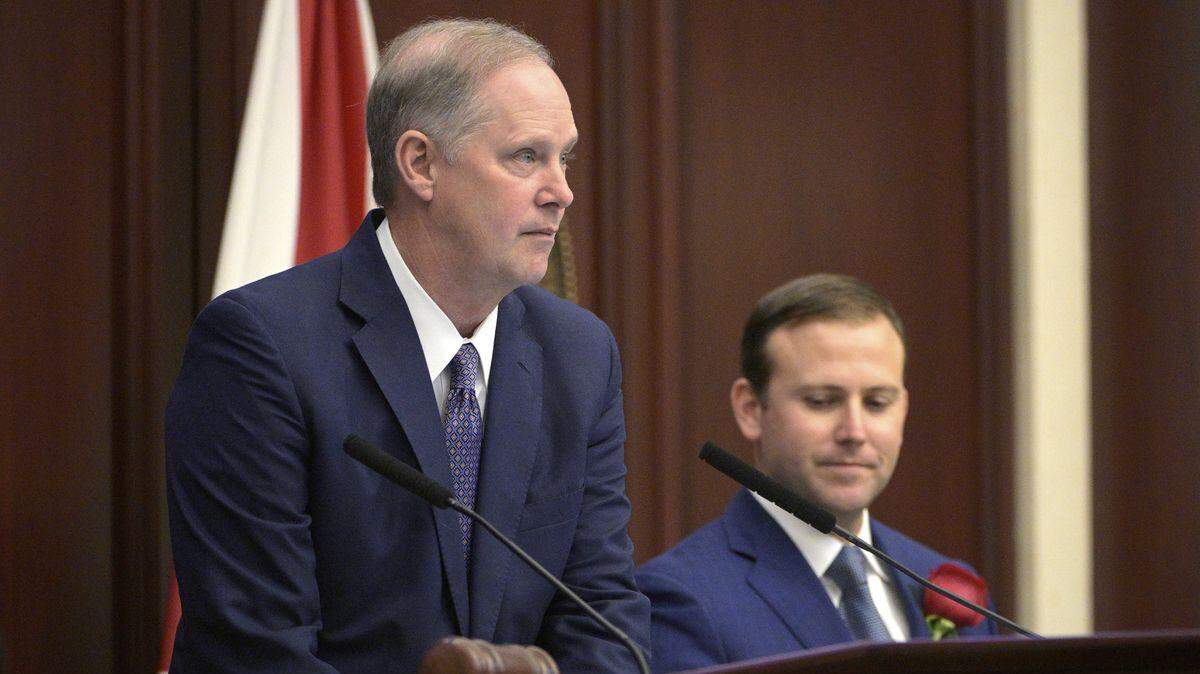
The Florida House should follow the lead of the Senate with their approved map and come together to reconcile differences and pave a path forward that seeks unanimity.
The Florida Legislature is in the midst of one of their most important tasks: redistricting the state’s legislative and congressional districts. This process often attracts a high level of attention because it occurs once every decade, following the nation’s census counts. It can also become highly politicized as we’ve seen in states across the nation.
Though deep divisions are often byproducts of redistricting, the Florida Senate took a bipartisan approach that led to a near-unanimous vote for their state legislative maps and a 31-4 vote on their congressional maps.
Given the highly polarized political landscape we face in our nation, this is truly remarkable.
As a former Florida House Majority Leader, I can say this is no easy feat. Unlike other major legislative packages, like passing a balanced budget, where legislative leaders can easily build coalitions for support, redistricting is much tougher as district lines change, leading to incumbents having to make tough decisions about their political future. Therefore, tensions are high, and it’s clear from the Florida Senate vote that Senate President Wilton Simpson and Sen. Kathleen Passidomo, slated to be the next Senate president, were able to navigate those waters free from political intrusion and guide their chamber to a strong position.
In fact, RepresentUs, a national nonpartisan group, in partnership with the Princeton Gerrymandering Project, gave the congressional map a “B” because of its partisan fairness. This is important, as partisan gerrymandering would violate the Florida Constitution. This score reaffirms why the Florida House should follow the lead of the Florida Senate with their approved map and come together to reconcile differences and pave a path forward that seeks unanimity.
Further, our democracy does best when consensus and compromise are achieved. It’s evident that the Florida Senate took this approach. When Floridians see that their elected leaders entrusted with this important task did so with broad support, then voters will trust the process and outcome.
This year’s redistricting lines will last for the next 10 years, which is why it must be done right and be able to withstand the judicial review prescribed in the Constitution. Simpson and the Senate leadership from both parties should be commended for their embrace of pragmatism over polarization with their redistricting maps.
Carlos Lopez-Cantera was Florida’s lieutenant governor from 2014-2019 and previously served in the Florida House of Representatives, including as majority leader from 2010-2012.