Florida is a low tax state — if you’re buying a yacht. Here’s help for the rest of us | Opinion
I often hear Florida being referred to as a “low-tax” state.
But this statement is misleading.
Florida is maybe “low tax” if you’re one of the 466 corporations that made over $50 million in 2019 and paid zero in state corporate income taxes.
Florida is maybe “low tax” if you’re purchasing a yacht because sales taxes on boats are capped at $18,000.
One reality that’s not a maybe? The benefits of a “low tax” state are not shared equally. The fact that we don’t have a state personal income tax means that Florida relies heavily on sales and excise taxes. And while tourists and businesses pay sales taxes, local households contribute the lion’s share.
Tax code upside down
Research shows that all of this fosters an upside-down tax structure where Floridians making low-to-moderate income carry the highest tax burden, and those at the top enjoy the lowest taxes and then get the most in return.
As it stands, our tax code is the second most upside-down in the entire country. People at the top typically use only an average of 4% of their money to pay state and local taxes, compared to those making less than $24,000, who spend anywhere between 10% to 13% of their income.
If that already sounds unfair to you, now add on an affordable housing shortage, increased food insecurity, rising costs of everyday goods and other factors that disproportionately harm people who are paid low wages.
Clearly, there is something wrong with this picture. The state’s upside-down tax code is due for an overhaul.
This legislative session, we have an opportunity to enact real tax relief that provides an income boost to those who need it most.
Legislation I’ve recently filed, Senate Bill 234, would create the Working Floridians Tax Rebate (WFTR) program modeled after the federal Earned Income Tax Credit (EITC), if passed. The EITC is an effective tool that lifts millions of Americans out of poverty each year. It’s so powerful in reducing poverty and jump-starting economies that 30 other states, D.C. and Puerto Rico have their own local versions.
Tax rebate plan
If enacted here in Florida, WFTR would benefit millions of Floridians who are disproportionately in communities of color, including over 600,000 households in Broward and Miami-Dade counties, per a recent report by the nonpartisan Florida Policy Institute. Many of these residents — our cashiers, nursing assistants, servers and security guards, to name a few — are essential workers, people on the front lines of the pandemic who have been keeping stores open and services running in our communities in the face of impossible circumstances.
It is clear that we, as a society, need to do more to invest in our people and our communities. That is how we will set working families up for long-term success and prosperity. By putting more money in families’ pockets, Floridians will have dollars to spend directly in communities. FPI’s report found that the WFTR would boost families’ disposable income and pump roughly $862 million each year into the state economy, including $243 million across Broward and Miami-Dade, with millions coming back to our communities as people spend their rebates at local businesses.
Money in pockets
Just imagine, for example, a young couple with two children living in Miami. One parent works as a retail salesperson, the other is a full-time cashier at a local grocery store. Together, they make $40,000 annually before federal taxes. Throughout the year, they spend close to $3,500 paying state and local taxes. WFTR could allow them to apply to Florida’s Department of Revenue to get a rebate equal to 20% of their federal EITC — putting $560 back in their pockets — enough to buy groceries for the family, have their vehicle repaired or cover child care for the month.
It’s not too late to start fixing Florida’s broken tax system. We are behind the curve nationally, but with the WFTR, we have an opportunity to lay the foundation for a tax system that truly works for all.
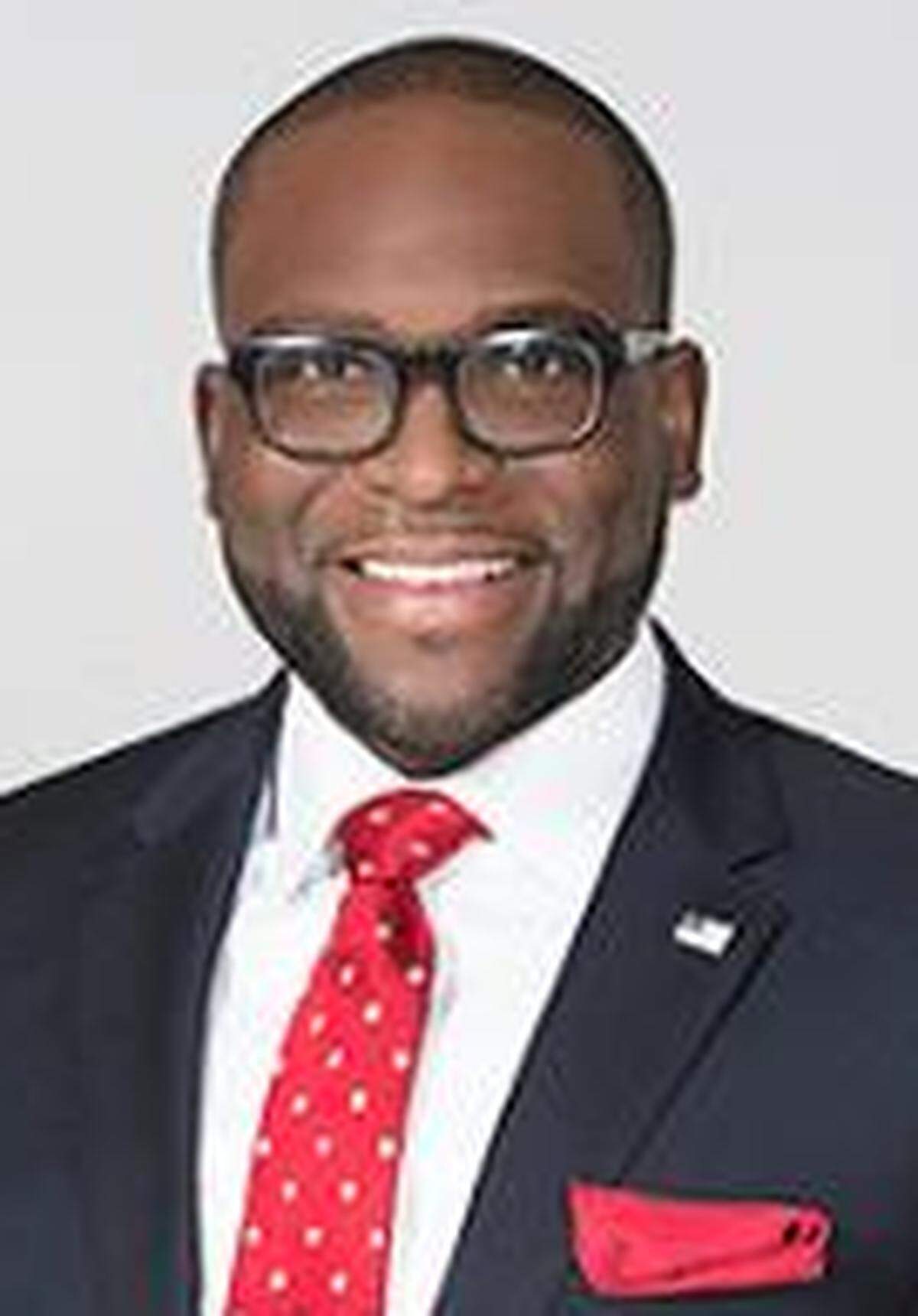
Shevrin Jones is Democratic state senator representing District 35.