Russia’s influence in Latin America grows while US focuses on Ukraine | Opinion
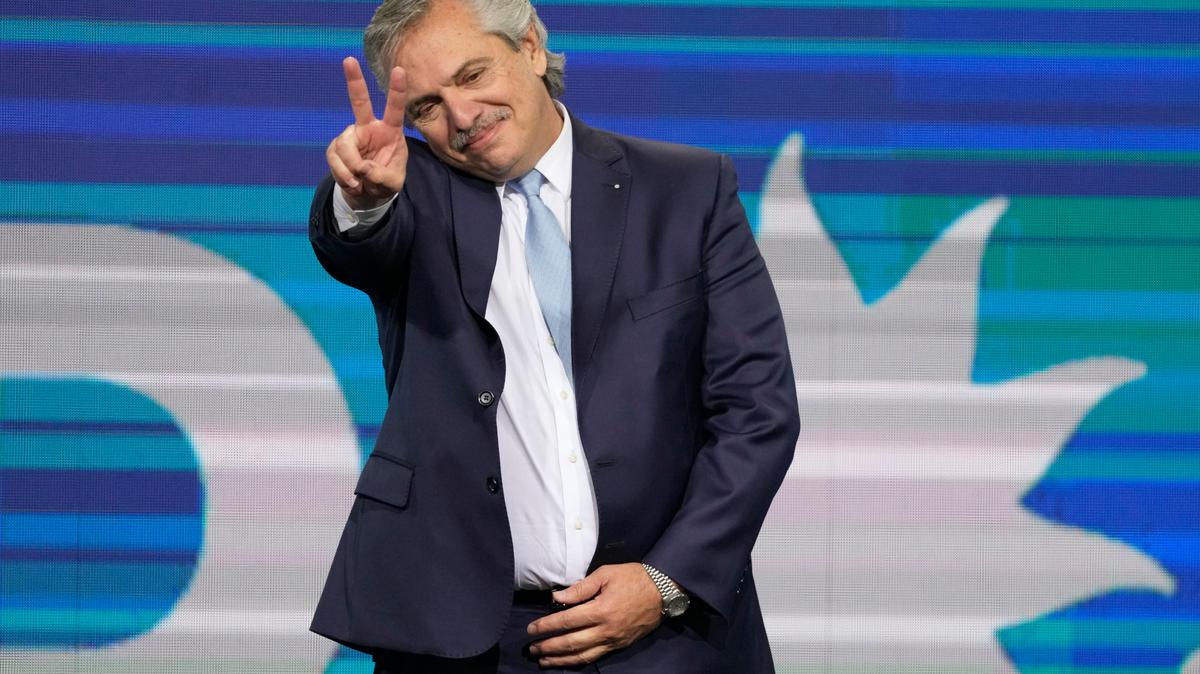
Argentine President Alberto Fernández’s visit to Moscow early this month went largely unnoticed as other global leaders flock to Russia to try to head off a further invasion of Ukraine.
Ukraine, it seems, was not on Fernández’s agenda. Instead, he went to Moscow to discuss his interest in reducing his country’s reliance on the United States and the International Monetary Fund.
“Argentina has to stop being so dependent on the Fund and the United States and has to open up to other places, and that is where it seems to me that Russia has a very important place,” Fernández said during his meeting with Russian President Vladimir Putin. He also touted the Russian Sputnik vaccine to fight the coronavirus. “People in Argentina appreciate Russia a lot,” Fernández said.
Russia is attempting to play the Latin American card with the United States as tensions between the two countries escalate over Putin’s threats against Ukraine — and Fernández isn’t the only South American leader looking to strengthen ties to Russia at this time. Brazil’s mercurial President Jair Bolsonaro is set to follow Fernández’s lead with a visit to Moscow later this month.
The Biden administration has urged Bolsonaro to reconsider, to minimize normal relations with Putin while he threatens Ukraine. So far, at least, Bolsonaro seems determined to go.
His plans have triggered strong criticism inside Brazil, too. “Has Bolsonaro gone mad?” the editor of the political newsletter Meio, Pedro Doria, asked of the “utterly reckless” enterprise.
Growing Russian influence
Latin American votes in the United Nations Security Council — of which Brazil is currently a member — matter to Russia. But growing Russian influence in Latin America at the expense of America’s position in the region is most important, given Putin’s zero-sum mentality.
Putin and Russian officials have also stepped up their contacts with the authoritarian regimes in Cuba, Nicaragua and Venezuela as the Biden administration rallies opposition to Putin’s threat to neighboring Ukraine.
You mess in our backyard, the Kremlin thinking goes, and we will mess with countries in your region.
Russia’s Deputy Foreign Minister Sergei Ryabkov last month refused to “confirm or deny” the possibility that his country would deploy further military assets to Latin America — Cuba and Venezuela — if tensions over Ukraine didn’t subside. U.S. National Security Advisor Jake Sullivan dismissed Rybakov’s statements as “bluster.” But Russia’s military presence in the region has been growing for years.
Russia completely refurbished the Nicaraguan Armed Forces between 2016 and 2017 and built and operates a large, high-tech telecommunications facility in the outskirts of its capital, Managua.
Russia’s strategic bombers have already visited Venezuela, and the presence of war vessels in the Caribbean isn’t uncommon. The region represents a relatively untapped market for Russian arms sales, though Russia has had difficulty increasing sales, currently around 15% of the global total.
Military plus soft power
Beyond flexing its military muscles, Russia is also using “soft” but effective means of influence in the region: RT en Español (headquartered in Chile) is a good example of Russian propaganda efforts to win over Latin America audiences and sow doubts about America’s reliability as a partner.
During protests last July in Cuba, Russian officials firmly sided with the repressive crackdown by the government in Havana. They showed similar solidarity in Nicaragua with longtime leader Daniel Ortega’s brutal methods. And Russian support for Nicolás Maduro in Venezuela has made a difference.
That these three authoritarian regimes would deepen ties with Moscow is no surprise. More so is that countries like Argentina and Brazil — both listed as “free” in Freedom House’s rankings, though Brazil barely so — would consort with the Russian leadership, especially at this sensitive time geopolitically.
Russia maintains 18 embassies in Latin America and the Caribbean, and Russian ties in the hemisphere have been increasing. Most of Russia’s trade with the region is focused on Brazil and Mexico. Russia’s Rosneft energy giant plays an important role in Venezuela and increasingly elsewhere in the region. Russian trade turnover with Latin America jumped from $5.6 billion in 2000 to $14.1 billion in 2019.
At least until the pandemic hit, Russian tourism to the hemisphere had increased considerably. But the increase in traffic from Moscow has also brought a rise in Russian organized crime, an unwelcome development in a region already beset with its own crime problems.
U.S. Under Secretary of State Victoria Nuland underscored this concern in an interview with Blu Radio. “We are concerned that the Russians seem to be increasingly active in these border regions and these are the same border regions where we are seeing violent actors, we are seeing drug trafficking, we are seeing criminality, we are seeing money laundering — these types of things.”
The Fernández visit and the expected Bolsonaro trip underscore the challenge the United States faces in its neighborhood. Every administration enters office in Washington intent on paying more attention to the hemisphere, and almost every administration falls short.
The Biden administration had better watch out, as Putin — along with China’s President Xi — is ready to fill the void. That won’t be good for American interests, nor, frankly, for the interests of the people in the region or the cause of democracy.
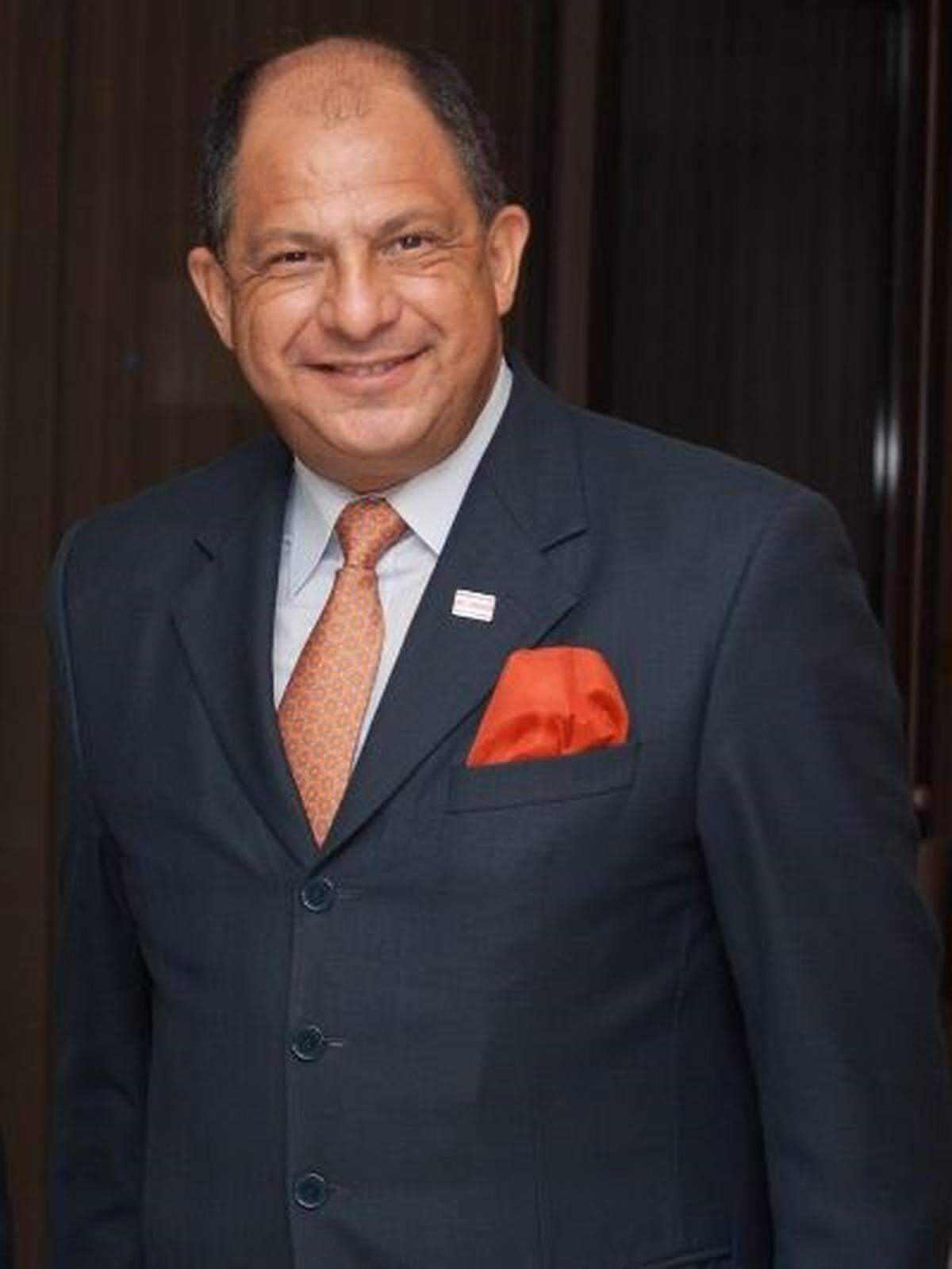
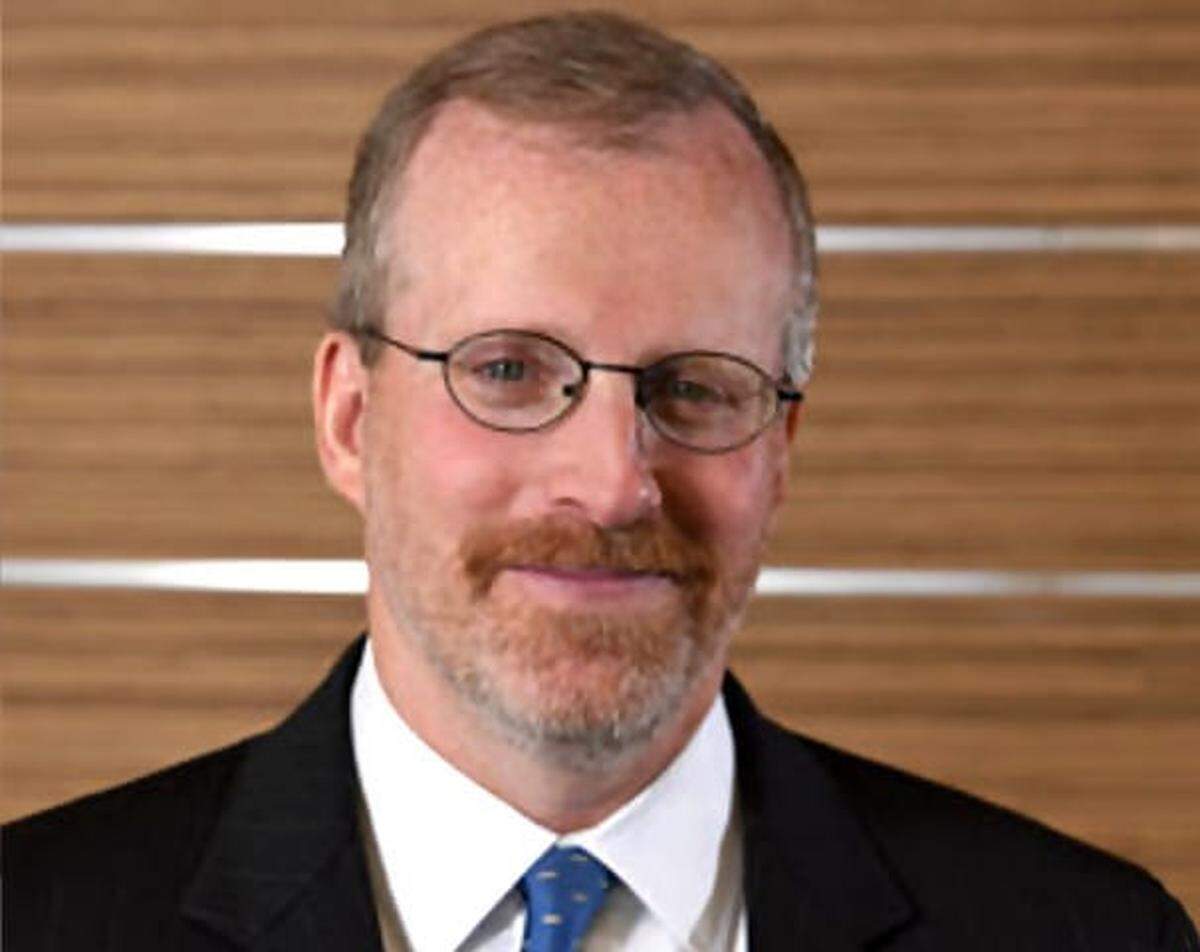
Luis Guillermo Solis, former president of Costa Rica, is interim director of the Kimberly Green Latin American and Caribbean Center and professor at Florida International University’s Steven J. Green School of International and Public Affairs. David J. Kramer is managing director for global policy at the George W. Bush Institute, senior fellow at FIU’s Green School and a former assistant secretary of state for democracy, human rights, and labor in the George W. Bush administration.